

In a renewed and highly public exchange, Hillary Clinton has issued sharp criticism of Donald Trump over the handling and disclosure of documents connected to Jeffrey Epstein.
Speaking to BBC News while attending an international policy forum in Berlin, Clinton stressed that transparency, fairness, and public accountability must be the guiding principles in the release of all records related to Epstein’s criminal activities and the network of influential individuals associated with him.
Her remarks come amid intensified public scrutiny following the partial release of documents linked to Epstein’s estate, court proceedings, and ongoing federal investigations. These materials have reignited debate by revealing additional details about Epstein’s interactions with prominent political, financial, and social figures.
The disclosures have fueled broader questions about how authorities and government officials handle sensitive information involving powerful individuals, and whether equal standards of accountability are consistently applied. Clinton emphasized that public trust depends on the full and impartial handling of such records, regardless of political affiliation or status.
As investigations continue and additional documents may yet emerge, the controversy underscores ongoing tensions surrounding transparency, justice, and the management of high-profile criminal cases with far-reaching political implications.
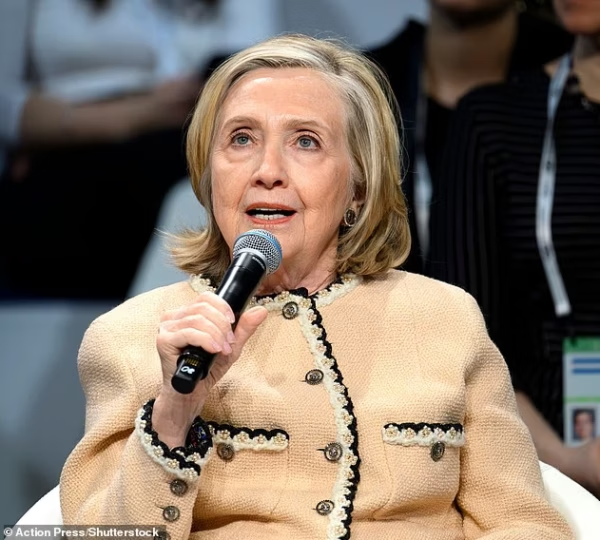
Clinton’s remarks went further than a general call for transparency. She directly accused the Trump administration of deliberately slowing access to relevant documents, suggesting that the pace of disclosure may be politically calculated rather than procedural.
“Get the Files Out”
During her interview with BBC News, Hillary Clinton stated bluntly:
“Get the files out. They are slow-walking it.”
She argued that the delayed release is unlikely to be accidental and suggested that renewed public attention on her and her family serves as a political distraction.
“Look at this shiny object,” she said. “We’re going to have the Clintons — even Hillary Clinton, who never met the guy.”
Clinton has consistently maintained that she never met Jeffrey Epstein and had no connection to his criminal conduct. She reiterated that neither she nor her husband, former President Bill Clinton, has been accused of wrongdoing by Epstein’s survivors.
“We have nothing to hide,” she told the BBC. “We have called for the full release of these files repeatedly. Sunlight is the best disinfectant.”
Clinton framed the issue as one grounded in principle rather than partisan conflict. In her view, all individuals—regardless of influence, status, or political affiliation—should be subject to equal scrutiny, and those who are innocent should have no reason to fear transparency.
Ongoing Release of Epstein-Related Records
In recent months, the U.S. Department of Justice and other federal authorities have made public significant volumes of material related to Epstein, his associates, and related investigations. The released records include:
- Flight logs detailing travel aboard Epstein’s private aircraft
- Contact directories listing individuals connected to him socially or professionally
- Deposition transcripts from civil litigation
- Internal communications among associates and financial contacts
Legal experts and government officials have emphasized that the appearance of a name in these documents does not, by itself, imply criminal involvement. Epstein maintained an expansive network that included figures from politics, finance, academia, and entertainment, and many interactions documented were social or peripheral rather than criminal in nature.
As further disclosures remain possible, debate continues over how quickly and comprehensively records should be released—and whether political considerations are influencing the process.
Appearances in flight logs, contact lists, or emails often reflect routine social or professional interactions rather than criminal activity.
Both Donald Trump and Bill Clinton appear in some publicly available records, largely due to prior social or business interactions with Jeffrey Epstein.
Such listings have frequently generated media speculation, but legal experts emphasize that inclusion in these documents does not constitute evidence of wrongdoing. Verified allegations or charges are necessary before any assumptions about criminal behavior can be made.
Bill Clinton’s Past Connections
Public records show that Bill Clinton interacted with Epstein during the 1990s and early 2000s, prior to Epstein’s widely publicized criminal convictions. After leaving office, Clinton took several flights on Epstein’s private jet for trips related to the Clinton Foundation, a nonprofit focused on humanitarian and philanthropic initiatives.
Representatives for Clinton have stated that he was unaware of Epstein’s criminal conduct at the time and ended contact well before Epstein’s later arrests.
Importantly, there is no evidence linking any of these foundation-related trips to illegal activity. Reviews by legal and ethical experts indicate that Clinton’s involvement was strictly professional or social in nature and consistent with his ongoing philanthropic work.
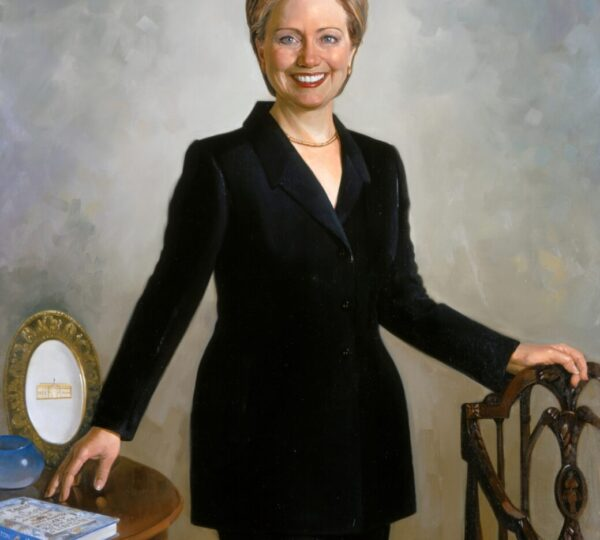
Hillary Clinton on Epstein-Related Scrutiny
Hillary Clinton has reiterated that neither she nor her husband, Bill Clinton, had any knowledge of Jeffrey Epstein’s criminal activities during their limited associations with him. She characterized the renewed attention on her family as politically motivated, designed to distract from broader questions of accountability and transparency in ongoing Epstein-related investigations.
Encounters With Ghislaine Maxwell
Clinton has publicly acknowledged having brief, socially limited encounters with Ghislaine Maxwell, Epstein’s longtime associate who was convicted in 2022 for her role in recruiting and grooming underage girls.
According to Clinton, these interactions occurred “a few times” in social settings and did not constitute a close personal relationship. She stressed that all such meetings took place well before Maxwell’s criminal behavior became publicly known. Maxwell’s conviction has fueled heightened public scrutiny of anyone connected—even tangentially—to Epstein or his network, but Clinton has consistently emphasized the innocuous nature of her limited contact.
Congressional Oversight and Testimony
The Epstein case has also intersected with congressional oversight. Both Hillary and Bill Clinton have agreed to testify before the House Oversight Committee, reflecting continued legislative interest in the matter. Hillary Clinton is scheduled to appear first, followed by her husband.
The hearings follow public criticism from committee chair James Comer, who has suggested that delays in testimony may indicate resistance or obstruction. Clinton’s participation demonstrates a willingness to engage with congressional oversight while reiterating the principles of transparency and accountability.
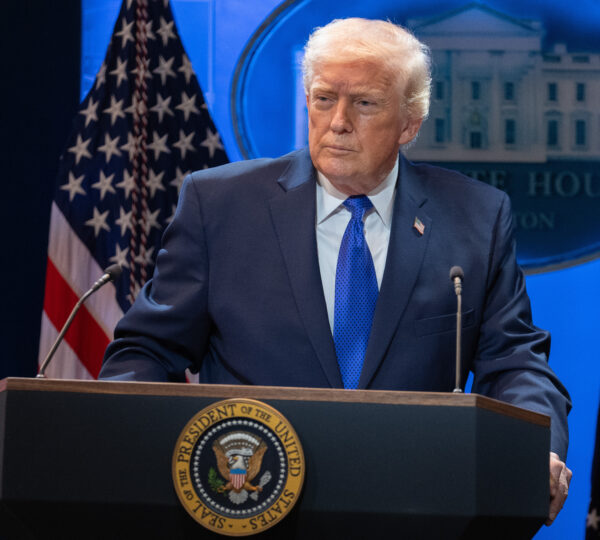
Contempt Vote Dropped as Clintons Agree to Testify
A planned vote for contempt of Congress was ultimately withdrawn after Hillary and Bill Clinton formally agreed to participate in the scheduled hearings. Hillary Clinton has stressed her preference for public sessions, stating:
“We will show up. It should be in public.”
For Clinton, transparency is vital to maintaining public trust in government investigations and preventing the politicization of legal processes.
Trump’s Response
Former President Donald Trump has denied any wrongdoing related to Jeffrey Epstein, telling reporters:
“I have nothing to hide. I have nothing to do with Jeffrey Epstein.”
Trump acknowledged having known Epstein socially in the past but maintains that their relationship ended long before Epstein’s criminal activities came to light. He dismissed Hillary Clinton’s criticism as politically motivated, framing it as part of ongoing partisan attacks rather than a substantive concern regarding justice or transparency.
The White House has defended its handling of relevant records, noting both the release of documents and cooperation with congressional inquiries.
Politics, Evidence, and Public Trust
The exchange between Clinton and Trump underscores how the Epstein case continues to influence U.S. political discourse, even years after Epstein’s death in 2019. Public scrutiny has extended across party lines, implicating figures from both major political parties.
Legal analysts emphasize that:
- Social contact does not imply criminal involvement
- Documentation must be reviewed carefully and in context
- Conclusions should be based solely on verified evidence rather than speculation
At the same time, critics have argued that document release has been slow and incomplete. Authorities cite necessary privacy protections, thorough legal reviews, and verification processes as key factors affecting the timeline.
This tension—between public demand for rapid disclosure and procedural requirements of justice—remains a central theme in the ongoing discourse surrounding Epstein-related records.

A Broader Question of Accountability
Beyond partisan considerations, Hillary Clinton frames the issue as one of institutional integrity. She told reporters:
“I just want it to be fair. I want everybody treated the same way.”
Her statement reflects a broader public concern that individuals with wealth, influence, or political connections may face unequal scrutiny under the law. The Epstein case has become emblematic of these anxieties, prompting questions about how justice functions when powerful people are involved.
The principle that no one is above the law intersects with the practical reality that complex investigations require time, resources, and careful handling of evidence. Clinton’s remarks emphasize that transparency and fairness are not optional—they are foundational to public trust in government institutions.
She has called for a systematic, unbiased review of all documents, communications, and interactions related to Epstein, stressing that the focus should remain on accountability rather than partisan politics.
The Ongoing National Debate
As congressional hearings continue and more records are examined, the Epstein case remains a sensitive and unresolved chapter in American public life. The discussion reflects not only the specific events surrounding Epstein but also larger questions about justice, power, and how society ensures equal treatment under the law.
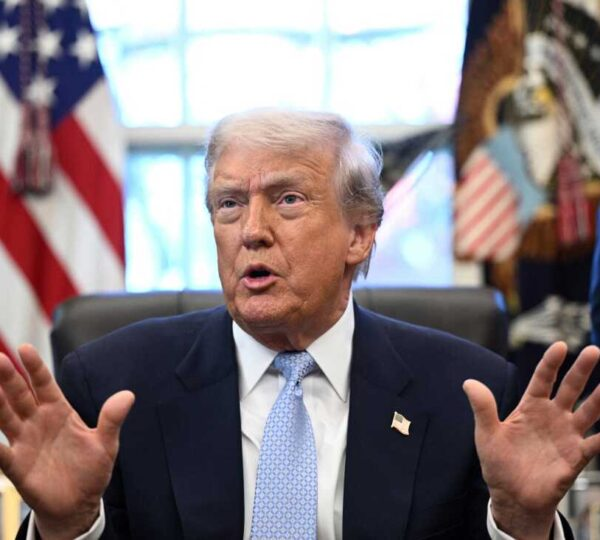
For Hillary Clinton, the issue carries both political and personal weight, shaped by decades of public scrutiny. For Donald Trump, it represents another stage in a longstanding political rivalry.
At the core of the debate are three guiding principles:
- Transparency – ensuring records are accessible, verifiable, and clearly communicated.
- Accountability – holding all parties responsible based on verified evidence.
- Fairness – preventing selective or politically motivated enforcement.
Whether future disclosures will meet public expectations for clarity and justice remains uncertain. Legal experts stress the importance of patience, careful fact-checking, and adherence to due process.
The Symbolism of “Sunlight”
Clinton concluded by invoking a familiar metaphor for openness in governance:
“Sunlight is the best disinfectant.”
Popularized by Supreme Court Justice Louis Brandeis, the phrase highlights how transparency and public scrutiny act as safeguards against corruption and misconduct.
For Clinton, the release of Epstein-related records is a matter of principle, not political advantage. She advocates for a system in which verified information is shared promptly, interpreted responsibly, and placed in proper context—reducing opportunities for misinformation or manipulation.
Whether the metaphorical sunlight will illuminate every facet of the Epstein case remains an open question. Still, Clinton’s call reinforces a fundamental tenet of democratic governance: accountability requires visibility.
Conclusion
Hillary Clinton’s remarks underscore the enduring complexity of the Epstein case and its implications for public trust, politics, and legal oversight.
While exchanges between Trump and Clinton continue to draw attention, the larger concern is clear: ensuring that sensitive records are released responsibly, interpreted accurately, and examined without bias.
The Epstein case illustrates that social connections and documented interactions do not, by themselves, imply wrongdoing. Yet it also highlights that institutional integrity demands diligence, transparency, and equal treatment under the law.
Clinton’s advocacy for full disclosure emphasizes the importance of public accountability, challenging authorities to manage sensitive materials responsibly.
As congressional hearings continue and new records become available, the case remains a symbol of the ongoing need for scrutiny, fairness, and transparency in complex investigations. In her words:
“Sunlight is the best disinfectant.”
The question endures—will that sunlight bring full understanding and closure, or will public attention continue to reflect deeper anxieties about power, privilege, and the pursuit of justice in modern society?