With heavu hearts, we announce the heartbreaking news. We won’t be seeing this fabulous actress any more

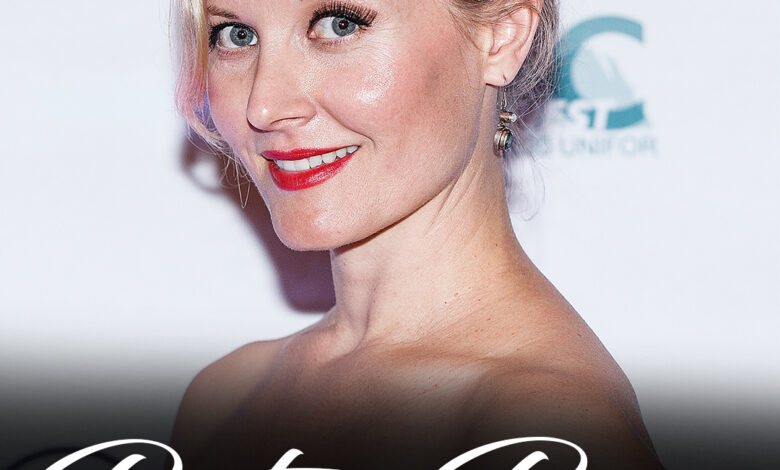
Carrie Anne Fleming’s life followed a quiet but determined arc—from the coastal rhythms of Digby to the unpredictable, often demanding world of film, television, and theater. Raised primarily by her mother, she discovered early on that performance wasn’t just an interest—it was a language. School productions became her first stage, a place where she could shape emotion into something visible, something shared.
There was a brief detour into modeling, but it didn’t take long for her to recognize where she truly belonged. Acting wasn’t just about being seen—it was about connection, about stepping into lives beyond her own and making them feel real. She committed fully, and that commitment showed. Directors often described her as effortless, someone who brought exactly what was needed without complication. But those who worked closely with her understood the truth beneath that ease: the preparation, the care, the emotional investment she poured into every role.
Her screen work spanned a range of tones and genres. In Masters of Horror, she tapped into something dark and unsettling, leaning into tension and atmosphere. In Supernatural, she moved within a world of myth and mystery, adding depth to stories already rich with emotion. And in iZombie, she showed a different side—one that balanced humor, humanity, and the strange with a kind of natural fluidity. On stage, where there are no second takes, that same versatility became even more apparent. She could shift from intensity to warmth in a breath, drawing audiences in without ever seeming to try too hard.
Yet in the wake of her passing, the stories shared by those who knew her have little to do with credits or screen time. They speak instead of her presence—of a laugh that filled a room, of an openness that made others feel welcome, of a kindness that wasn’t performative but instinctive. She had a way of making people feel seen, not through grand gestures, but through attention, sincerity, and a genuine interest in others.
She is survived by her daughter, Max, who now carries forward a piece of that spirit. And while her professional work remains—captured in episodes, performances, and recordings—her legacy reaches beyond it. It lives in the quiet impressions she left behind, in the people who felt her warmth, and in the understanding that success isn’t only measured in recognition, but in the way a person moves through the world.
In that sense, Carrie Anne Fleming leaves behind more than a body of work. She leaves behind a memory of generosity, resilience, and presence—something less visible than fame, but far more lasting.