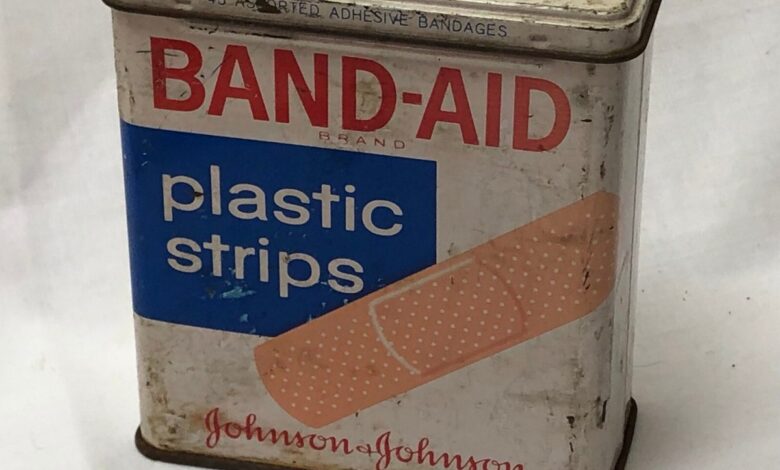
There was something quietly ritualistic about those old Band-Aid tins. They weren’t just containers for first aid—they became part of the rhythm of family life. Inside them lived the small evidence of growing up: scraped knees from long summer afternoons, little cuts from helping in the kitchen, and the countless minor injuries that were quickly soothed with a bandage and reassurance. Opening that tin always meant comfort was on the way.
Long after the last bandage had been used, the tin itself remained. It found new purpose without ever losing its meaning—holding loose buttons, spare change, paperclips, or the tiny “important” objects only a child could truly value. It sat in drawers or on shelves, quietly collecting pieces of everyday life. Over time, it would show its age—edges worn, paint faded, small dents telling their own story—but those marks only seemed to add to its character.
Thinking back on that simple metal box isn’t really about nostalgia for being younger. It’s about remembering a time when even the smallest objects felt intentional and lasting. Things weren’t easily replaced—they were kept, reused, and woven into the fabric of daily life.
In today’s world of disposable packaging and quick replacements, that little tin feels almost symbolic. It reminds us that usefulness and sentiment can exist together, that objects can carry meaning beyond their purpose. And more than anything, it shows how something so small could quietly hold years of memories—moments of care, comfort, and connection that never truly disappear.