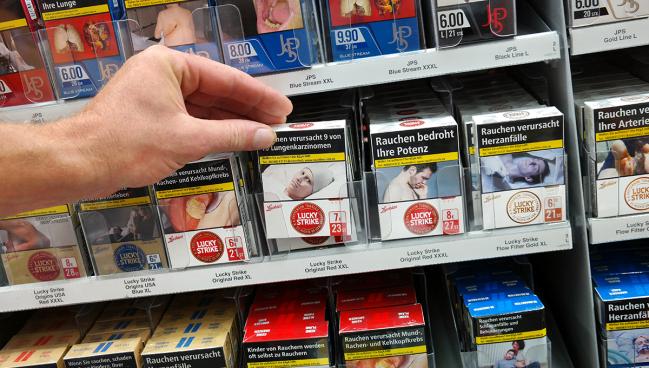
Cigarettes in France rank among the most expensive in Europe, and the high price is largely the result of government policy rather than simple market dynamics. Although tobacco companies set an initial base price, the final cost paid by consumers is heavily shaped by taxes and duties imposed by the state. In this way, every pack sold reflects not only a commercial product but also a public policy decision.
Taxes make up the majority of the retail price, leaving relatively small profits for both manufacturers and tobacco shop owners. Products like rolling tobacco, once considered a cheaper option for smokers trying to cut costs, have also experienced significant price increases over time. As a result, smoking has become an increasingly costly habit across the country.
These price rises are not accidental. French authorities have intentionally raised tobacco prices as part of a long-term public health strategy. Adjustments are often linked to inflation and broader anti-smoking policies. Officials justify these measures by pointing to the high number of deaths each year associated with tobacco use. By increasing prices, the government hopes not only to generate revenue but also to discourage smoking and reduce related health risks.
At the same time, regulations around smoking have become stricter. Restrictions on where people can smoke now extend to many public spaces, including parks, beaches, and areas around schools. Breaking these rules—whether by smoking in prohibited areas or improperly discarding cigarette butts—can lead to fines, reinforcing the government’s firm stance on reducing tobacco use.
However, the situation is more complicated in practice. Addiction, economic disparities, and accessibility issues make it difficult for some smokers to quit. The high cost of cigarettes has also encouraged cross-border purchases and illegal trade, as some consumers seek cheaper tobacco in neighboring countries or through smuggling networks.
Critics argue that steep price increases place a heavier burden on lower-income smokers while doing little to address the underlying challenges of addiction. Supporters, on the other hand, believe that a combination of higher prices, strict regulations, and education campaigns offers the best chance of reducing smoking rates and preventing future generations from starting.
In France, the price of a cigarette pack represents more than the cost of a consumer good. It reflects a broader effort to balance public health priorities, government revenue, and individual choices. The message behind these policies is clear: smoking carries a price, and the state intends for that price to serve as a powerful deterrent.