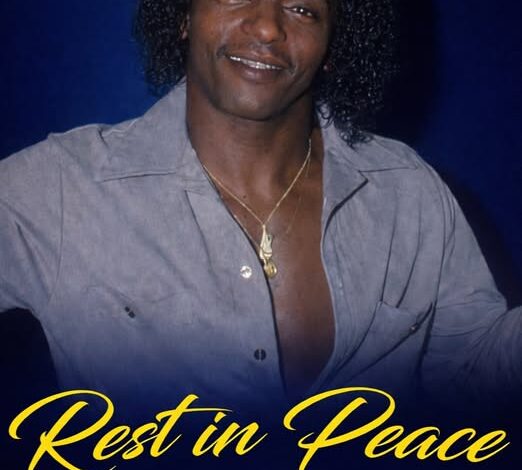
Carl Carlton’s passing at 72 feels less like a final note and more like the gentle fading of a melody that continues to echo long after the song ends. His journey—from the rhythm-filled neighborhoods of Detroit to stages and airwaves around the world—was defined by a voice that carried warmth, sincerity, and an unmistakable sense of joy. Songs like “Everlasting Love” and “She’s a Bad Mama Jama” weren’t just chart successes; they became part of life’s soundtrack, woven into celebrations, quiet moments, and memories that people return to again and again.
What made Carlton stand apart wasn’t just his talent, but the way he carried it. In an industry often driven by spectacle, he remained grounded. He focused on the music itself—the craft, the feeling, the connection. There were no headline-grabbing controversies, no need for reinvention through drama. Instead, he built a career on consistency, humility, and a deep respect for the art form that shaped his life.
Even in later years, after facing health challenges like his 2019 stroke, his presence never truly faded. His recordings continued to find new listeners, resurfacing through playlists, radio rotations, and the renewed appreciation for vinyl. His music proved timeless—not tied to any one era, but capable of reaching across generations with the same emotional clarity.
His passing on December 14, 2025, marks the close of a remarkable life, but not the end of his influence. The songs remain, carrying his voice forward in a way that feels both immediate and enduring. Each time one of his tracks plays, there’s a sense of continuity—as if he’s still there, sharing that same effortless warmth.
Carlton’s legacy isn’t just in the music he made, but in the way he made it: with honesty, restraint, and a quiet confidence that never needed to demand attention. And in that way, he leaves behind something lasting—a reminder that true artistry doesn’t fade; it lingers, resonating long after the final chord.