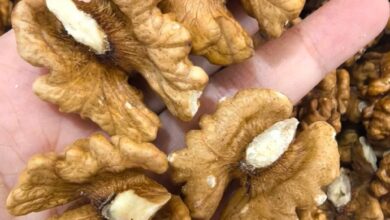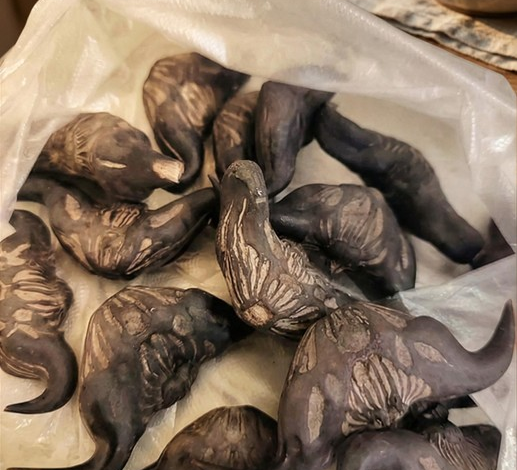
For centuries, people living near forests relied on wild plants and roots for food, medicine, and daily survival. These practices reflected deep knowledge of nature and an intimate understanding passed down through generations. While these traditions showcase human resilience and ingenuity, modern experts caution that foraging today carries real risks. Not every wild plant is safe to eat, and guessing based on appearances can be dangerous—what once depended on inherited expertise shouldn’t be attempted casually.
One of the earliest warning signs is simple contact. If handling a root causes itching, burning, redness, or numbness on the skin, lips, or tongue, it may contain compounds that irritate the body. Such reactions are often the plant’s natural defense. Consuming it after such a response could trigger more severe reactions, so noticing these early signals is vital for safety.
Misidentification is another major concern. Many edible roots closely resemble toxic ones, and the differences are often subtle. Historically, people relied on years of experience to distinguish safely between them. Some roots also require specific preparation—soaking, extended cooking, or other methods—to neutralize natural toxins. Unusual tastes, like extreme bitterness or a numbing sensation, can serve as further warnings.
Individual sensitivity matters, too. Children, older adults, or those with certain health conditions may react more strongly to natural compounds. When in doubt, it is always safest to avoid consuming a plant. By combining curiosity with caution, respect for tradition with modern safety knowledge, you can explore the natural world responsibly, enjoying its offerings without risking health.