Tourist allegedly abused for throwing rocks at beloved seal receives vile surprise in the mail

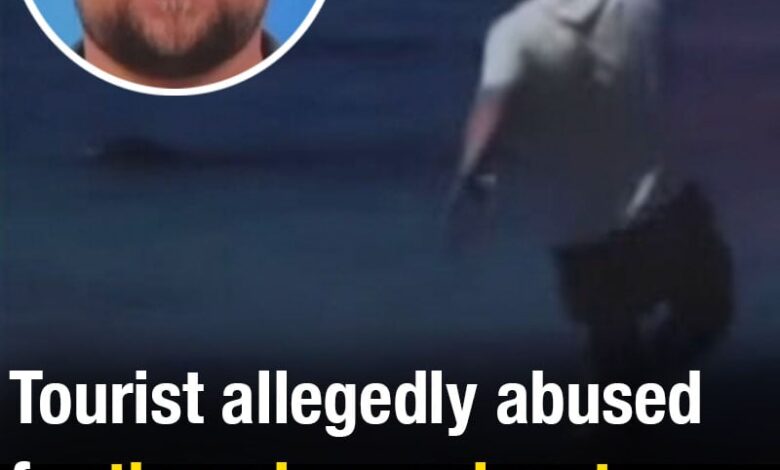
Igor Lytvynchuk says he never set out to hurt Lani. In his version of events, the moment on the shoreline was not driven by cruelty, but by fear, misunderstanding, and a mistaken belief that he was stepping in to protect vulnerable sea turtles from what he thought was an aggressive predator. Drawing from his own past experiences fishing in Washington, where he says he had encountered hostile sea lions, Lytvynchuk claims he saw the Hawaiian monk seal through the wrong lens—less as a critically important native species and more as a threat that needed to be stopped.
His attorney has argued that the incident was the result of ignorance, not malice. According to his defense, Lytvynchuk did not understand the cultural significance of Hawaiian monk seals, nor did he fully grasp their ecological importance or protected status. To many in Hawaii, Lani was not just another animal on the beach. She represented a fragile species fighting for survival, a living part of the islands’ natural heritage, and a creature that federal law exists to protect. Lytvynchuk’s lawyer says he now understands that, and that he is devastated by the way the public has come to see him—as someone who deliberately abused an endangered animal.
But once an image, a video, or a story catches fire online, explanations often arrive too late. The internet is not a courtroom, and it rarely waits for context before reaching a verdict. In the eyes of many, Lytvynchuk became a villain almost instantly. The outrage moved quickly from anger over Lani’s treatment to anger directed at him personally. His name, home, and private life became targets. Reports of doxxing, hate mail, harassment, an alleged assault, and even a bag of feces mailed to his residence have turned public condemnation into something far more personal and humiliating.
What began as a legal case has become a broader spectacle about punishment, shame, and the speed with which online fury can consume a person’s life. Lytvynchuk now faces federal charges under the Endangered Species Act, a serious legal process that will determine what consequences he may face under the law. But outside the courtroom, another trial is already underway—one shaped by comment sections, social media posts, viral outrage, and a public that may have little interest in forgiveness.
For his critics, the harm done to Lani cannot be excused by confusion or cultural misunderstanding. They see an endangered animal being mistreated and believe accountability must be clear and severe. For his defenders, or at least for those urging restraint, the backlash has crossed into something darker: a form of public vengeance that risks becoming its own kind of cruelty. Somewhere between those two views is a difficult question about how society should respond when ignorance causes harm, especially when the victim is a protected animal that many people feel emotionally and culturally connected to.
Whether Lytvynchuk is ultimately remembered as a man who made a terrible mistake or as someone who knowingly harmed a vulnerable creature may depend on more than what happens in court. In the online world, reputation often hardens before facts are fully tested. A single moment at the shoreline has become the defining image of his life, replayed and judged by strangers who may never know him beyond that incident. And even if the legal case eventually ends, the public sentence may last much longer.