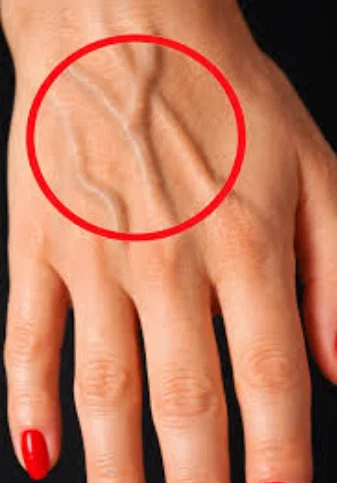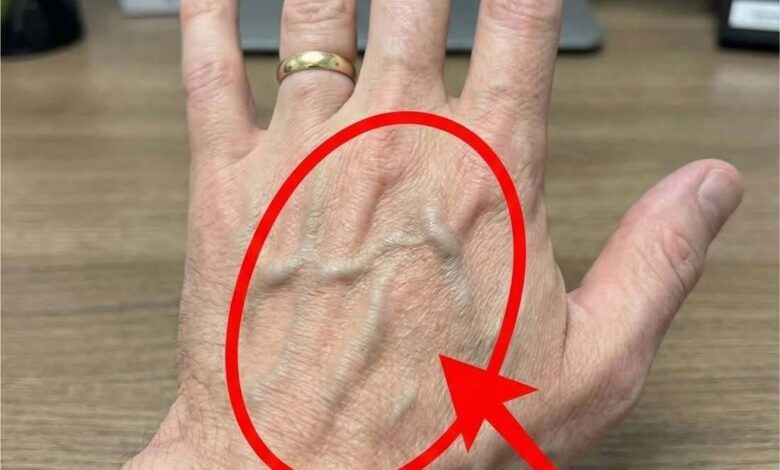
Visible veins can sometimes make people worry, especially when they appear suddenly or seem more noticeable than usual. Many people look at veins on their hands, arms, legs, or feet and wonder whether they are seeing a sign of poor circulation. In most cases, however, visible veins are completely normal and do not automatically mean that something is wrong.
Veins are part of the circulatory system. Their job is to carry blood back to the heart after oxygen has been delivered to the body’s tissues. Because veins often sit close to the surface of the skin, they can become easy to see depending on a person’s body type, age, activity level, skin tone, and genetics.
For many people, visible veins are simply a normal physical trait.
One common reason veins appear more noticeable is low body fat. When there is less fat beneath the skin, there is less tissue covering the veins, making them easier to see. This is why athletes, fitness enthusiasts, and naturally lean individuals often have more prominent veins, especially on the arms, hands, and legs.
Genetics also plays a major role. Some people naturally have thinner skin, more visible veins, or vein patterns that sit closer to the surface. In these cases, visible veins may run in families and may not indicate any health problem at all.
Exercise can also make veins stand out temporarily. During physical activity, the body increases blood flow to working muscles. As circulation increases, veins may expand and become more visible. This is especially common after weightlifting, running, cycling, or other forms of intense movement. Once the body cools down and blood flow returns to normal, the veins often become less prominent.
Aging is another factor. As people get older, the skin naturally becomes thinner and loses some elasticity. Fat under the skin may also decrease, especially on the hands. This can make veins appear more visible over time. While this change can be noticeable, it is often a normal part of aging.
Temperature can affect vein appearance as well. Heat causes blood vessels to widen, which can make veins look larger or more pronounced. On hot days, after a warm shower, or during exercise, veins may become easier to see. In cooler temperatures, they may appear less noticeable.
For these reasons, visible veins alone are usually not a sign of poor circulation. In fact, visible veins may simply show that blood is moving through the body as expected. Poor circulation usually causes other symptoms, not just veins that can be seen under the skin.
Signs of poor circulation may include cold hands or feet, numbness, tingling, pain while walking, swelling in the legs or ankles, skin color changes, slow-healing wounds, or a heavy, tired feeling in the limbs. If these symptoms occur regularly, it is a good idea to speak with a healthcare professional.
There are also times when visible veins may point to a vein-related condition. Varicose veins, for example, are enlarged, twisted veins that often appear in the legs. They may look raised, rope-like, blue, purple, or bulging. Varicose veins happen when tiny valves inside the veins weaken, allowing blood to pool instead of flowing efficiently back toward the heart.
Some people with varicose veins experience aching, heaviness, swelling, itching, burning, or discomfort after standing for long periods. Others may have visible varicose veins without much pain. While they are common, they should be evaluated if they become painful, swollen, warm, tender, or associated with skin changes.
Another condition to be aware of is chronic venous insufficiency. This occurs when veins in the legs have trouble sending blood back to the heart. Over time, it can lead to swelling, skin discoloration, thickened skin, discomfort, or wounds that are slow to heal. This condition is different from simply having visible veins and may require medical care.
It is also important to know the warning signs of more serious circulation problems. Persistent swelling in one leg, sudden pain, warmth, redness, or tenderness may require prompt medical attention, especially if there is concern about a blood clot. Chest pain, shortness of breath, sudden weakness, or sudden severe leg pain should be treated as urgent symptoms.
Poor circulation can be linked to several health conditions and lifestyle factors. These may include a sedentary lifestyle, smoking, diabetes, high blood pressure, high cholesterol, obesity, blood clots, peripheral artery disease, and certain heart or vascular conditions. Because circulation problems can sometimes lead to serious complications, ongoing symptoms should not be ignored.
The good news is that many daily habits can support healthier circulation. Regular movement is one of the most effective steps. Walking, stretching, swimming, cycling, or light strength training can help blood move more efficiently through the body. For people who sit for long periods, standing up regularly and moving the legs can make a meaningful difference.
Hydration also matters. Drinking enough water helps support normal blood volume and overall body function. While the exact amount needed varies depending on activity level, climate, health status, and body size, staying well hydrated is a simple way to support general wellness.
A balanced diet can also support circulation. Foods rich in fiber, healthy fats, vitamins, minerals, and antioxidants may help protect heart and blood vessel health. Fruits, vegetables, whole grains, legumes, nuts, seeds, and fish can all be part of a circulation-friendly eating pattern.
Some natural ingredients are often discussed for circulation support. Garlic, ginger, cayenne pepper, ginkgo biloba, fish oil, and horse chestnut are commonly mentioned in wellness circles. While some of these may have properties that support blood vessel health or inflammation balance, they are not quick cures and should be used carefully.
For example, fish oil contains omega-3 fatty acids, which may support heart health. Garlic may have modest effects on blood pressure in some people. Ginger contains compounds that are studied for their effects on inflammation and blood flow. Horse chestnut extract is sometimes used for symptoms related to varicose veins, but it must be properly prepared because raw horse chestnut can be unsafe.
Ginkgo biloba is sometimes promoted for circulation and memory, but it can interact with medications, especially blood thinners. Cayenne pepper contains capsaicin, which may influence circulation and warmth sensations, but it can irritate the stomach in some people. Essential oils may create a warming sensation when applied properly, but they should not be relied upon to treat circulation problems and should never be applied undiluted or used internally without professional guidance.
Because natural remedies can interact with medications or worsen certain conditions, anyone with diabetes, heart disease, kidney disease, blood clot history, pregnancy, high blood pressure, or use of blood-thinning medication should speak with a healthcare provider before trying supplements or strong herbal remedies.
For visible veins that are harmless, no treatment is usually needed. If someone is bothered by the appearance of veins, options may include compression stockings, lifestyle changes, or medical cosmetic treatments depending on the cause. For painful varicose veins or venous insufficiency, a doctor may recommend compression therapy, ultrasound evaluation, minimally invasive vein procedures, or other treatments.
In the end, visible veins do not automatically mean poor circulation. They are often caused by normal factors such as genetics, exercise, low body fat, aging, or heat. What matters most is whether visible veins are accompanied by symptoms such as pain, swelling, numbness, skin changes, warmth, redness, or wounds that do not heal.
If veins are simply visible but not painful, swollen, or changing rapidly, they are usually not a reason to panic. But if new symptoms appear or circulation problems are suspected, getting medical advice is the safest choice.
Visible veins may catch your attention, but they do not always tell the whole story. The body usually gives more than one signal when something is wrong. Paying attention to those signs, maintaining healthy daily habits, and seeking professional guidance when needed are the best ways to protect circulation and overall health.