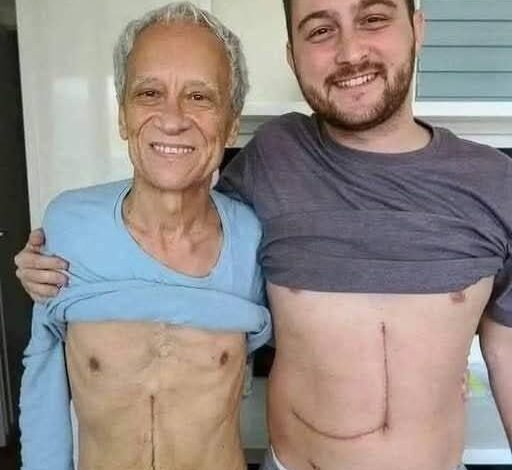
The medical landscape in 2026 continues to showcase an extraordinary blend of human compassion and biological ingenuity, particularly through the practice of living liver donation. As of March 1, 2026, this procedure represents one of the most profound acts of familial devotion: literally giving a part of oneself to save another. Unlike most organ donations, which are contingent on tragic circumstances, living liver donation is a deliberate, courageous choice, highlighting both the resilience of the human body and the strength of the human spirit. For families confronting the urgency of chronic liver disease, this option bridges the often insurmountable gap created by waiting lists for deceased-donor organs, offering a second chance at life when every hour is critical.
The Biological Miracle of Regeneration
At the heart of this procedure is the liver’s remarkable capacity to regenerate. The liver is the only internal organ capable of fully restoring itself after significant tissue loss. During a living donation, surgeons remove a portion—often up to 60%—of a healthy donor’s liver and transplant it into the recipient. Within months, the remaining liver in the donor and the transplanted segment in the recipient grow to nearly full size and function. This regenerative ability makes living donation a crucial option in modern transplant medicine, particularly for older patients whose health may deteriorate too quickly to wait for a deceased donor.
Intergenerational Sacrifice
The most common scenario involves an adult child donating to a parent. Imagine a son discovering that his father’s liver disease has reached a life-threatening stage. In a world still grappling with global conflict, domestic policy upheavals, and technological disruption, the quiet heroism of a son offering part of his liver becomes a profoundly human story. The process begins with exhaustive evaluations: physical health, mental preparedness, and anatomical compatibility are all rigorously assessed.
When cleared, both donor and recipient are moved to adjacent operating rooms for “tandem surgery,” minimizing the time the liver segment spends outside a body and maximizing its chance for immediate function. For the recipient, receiving tissue from a living relative often leads to faster recovery and better long-term outcomes compared to a deceased-donor transplant. The act is more than medicine—it is a legacy of care, reshaping the family’s future.
The Recovery Journey
Living liver donation is major surgery, and the recovery process is demanding. Donors typically remain hospitalized for five to seven days, monitored closely as their bodies begin the regeneration process. At home, fatigue can be overwhelming as the liver grows, requiring enormous energy from the body.
Though surgical protocols in 2026 are highly advanced, risks remain: bile duct complications, infections, and fluid accumulation are real possibilities. Rarely, donors may require additional procedures. Families navigating these risks experience a mix of pride and anxiety, and a robust support system is critical—donors often need care as much as the recipient.
Strengthening Family Bonds
Beyond the medical triumph, living liver donation transforms the family dynamic. The experience often dissolves trivial tensions and refocuses attention on what truly matters. Estranged siblings reconnect in hospital waiting rooms, grandchildren witness the meaning of devotion firsthand, and recipients regain a renewed sense of purpose.
Communities also play a role: in 2026, digital support networks, neighborhood initiatives, and volunteer programs provide vital assistance. From meal deliveries to medication support, the communal effort underscores that while the surgery is between two people, the healing touches many lives.
Ethics, Consent, and the Future of Care
Living liver donation raises profound ethical questions. Transplant centers increasingly prioritize the donor’s autonomy and mental health, ensuring consent is fully informed and free from pressure. Independent donor advocates—separate from the medical team caring for the recipient—help safeguard these interests.
For aging families, these stories are a call to address health, mortality, and legacy openly. They highlight that our bodies are part of a shared human web, capable of acts of extraordinary generosity. A father walking his granddaughter down the aisle or a son discovering purpose through his sacrifice embodies human resilience in its most tangible form.
Hope and Humanity
At its core, living liver donation is an expression of hope: hope that medicine can work miracles, that bodies can heal, and that love can transcend fear. Every transplant carries uncertainty, yet the courage and generosity of living donors offer a lasting testament to the best of humanity. In a year marked by global and personal challenges, the selflessness witnessed in transplant wards remains a luminous reminder that even in our most vulnerable moments, we possess the power to save one another.