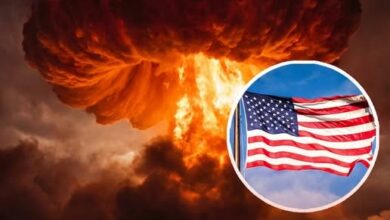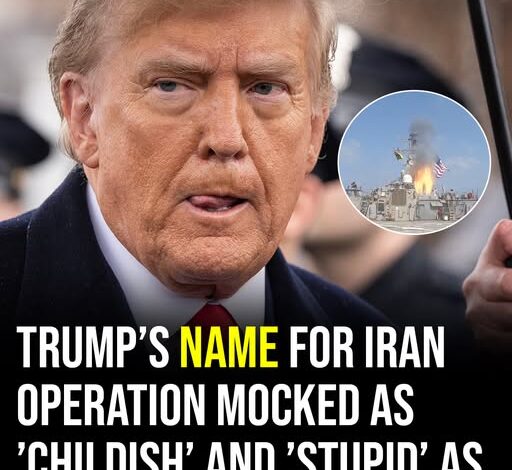
As the smoke thins over devastated districts stretching from Tehran’s outskirts to the tense airspace near Cyprus, a jarring dissonance is becoming impossible to ignore. On one side stands the polished language of power — a dramatic, almost cinematic label unveiled from a Washington podium: “Operation Epic Fury.” On the other lies the stark, unfiltered reality — shattered homes, smoldering infrastructure, overwhelmed rescue crews digging through rubble, and families waiting in dread for news that may never come.
To observers across the globe, the gap between presentation and consequence feels deeply unsettling. The name itself, sharp and theatrical, sounds less like a military action and more like a blockbuster franchise or video game release. Yet behind that branding are real cities absorbing shockwaves, real airports left in flames, and real civilians navigating the sudden collapse of normal life. The sense that war has been packaged into something digestible — even marketable — has sparked a wave of criticism that transcends the usual partisan divides.
What troubles many critics is not simply the policy or the tactical logic behind the strikes, but the language surrounding them. When violence on such a scale is framed with the kind of flourish typically reserved for entertainment, it risks dulling public sensitivity to its human cost. Words matter. They shape perception. They create emotional distance. A name that evokes spectacle rather than solemnity can subtly transform tragedy into something abstract — a storyline rather than a lived catastrophe.
Even among supporters of figures like Donald Trump, unease has begun to surface. For some, the issue is not loyalty or opposition, but tone. The juxtaposition of celebratory rhetoric with images of scorched runways and grieving communities feels discordant, even to those who broadly support assertive foreign policy. Memes and social media commentary may dominate the surface-level conversation, but underneath lies a more profound discomfort: the sense that something sacred — the gravity of life-and-death decisions — has been flattened into branding.
This discomfort feeds into a deeper moral question that extends beyond any single administration or moment in history. When military campaigns are framed in language that resembles marketing, does it lower the threshold for future action? If war can be announced with the cadence of a product launch, does it risk becoming easier to justify, easier to repeat, easier to normalize?
History shows that public perception often shapes political possibility. A conflict presented as a grim necessity invites scrutiny and restraint. One presented as decisive, heroic, or even epic may invite applause — and potentially, escalation. The fear voiced by many analysts and observers is not just about the present operation, but about precedent. If the rhetoric surrounding warfare evolves into something stylized and triumphant, the psychological barrier that once accompanied the decision to use force may erode.
In the end, the controversy is less about a single phrase and more about what it represents: the collision between modern communication culture and the ancient, brutal reality of armed conflict. While governments seek to control narratives and project strength, the images emerging from the ground — emergency lights cutting through smoke, civilians searching for loved ones, medics working without pause — resist simplification.
And so the question lingers in diplomatic circles, media debates, and private conversations alike: when the language of war begins to resemble the language of entertainment, does it merely reflect changing times — or does it quietly reshape the world’s tolerance for violence?