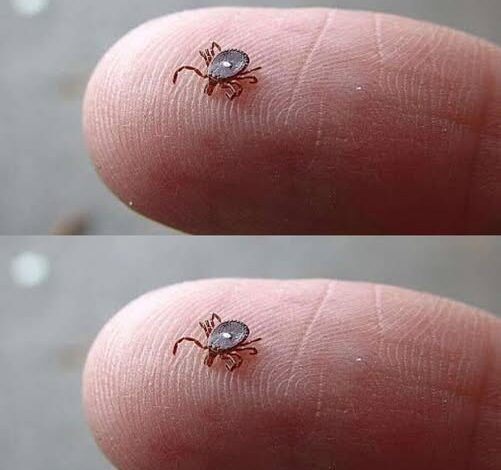
I didn’t scream out loud, but inside my head it felt like an alarm had gone off. The tiny creature clinging to my skin—its pale body dotted with white—suddenly seemed enormous in my imagination. My heart started racing as if I’d discovered something far more dangerous than a tick. In that moment, it felt less like an insect and more like a loaded threat pressed against my skin.
With unsteady hands, I reached for it and carefully pulled it away. My mind immediately flooded with every frightening story I’d ever heard about tick bites—Lyme disease, mysterious fevers, strange rashes that appear days later, even bizarre food allergies linked to certain species. Each possibility stacked on top of the next, turning a tiny encounter into something that felt terrifyingly uncertain.
I tried to stay calm, especially because my dog was right there watching me. Pets are surprisingly good at sensing our emotions, and the last thing I wanted was to add to the chaos of the moment. So I focused on the practical steps. I cleaned the bite area carefully, sealed the tick in a small container, and washed my hands again—probably longer than necessary. Outwardly, I tried to act like everything was under control.
Inside, though, my thoughts were spinning.
Over the next few days, life continued as normal on the surface, but a quiet tension lingered in the background. Every few hours, I found myself checking the spot where the tick had been. I studied it closely, trying to remember exactly what the skin looked like before. Was that faint redness new? Had that tiny freckle always been there? I felt like a detective examining a piece of evidence, afraid of what I might discover.
I even wrote down the date of the bite, just in case. Each small ache or moment of fatigue made me pause and wonder if it meant something. Was it just normal tiredness, or the beginning of something more serious? The waiting period was strange—nothing dramatic was happening, yet my mind stayed alert, scanning for signs that might confirm or dismiss my fears.
But as the days passed, something unexpected began to happen.
Instead of letting the anxiety grow, I started learning. I read about the different kinds of ticks and which ones carry certain diseases. I learned how long ticks typically need to be attached to transmit infections, what symptoms actually matter, and when it’s important to see a doctor. The more I understood, the less mysterious the situation felt.
I also started thinking about prevention—how to make the yard less inviting to ticks, how to check my dog’s fur after walks, and what habits could reduce the chances of another surprise encounter. What had first felt like helpless fear slowly turned into practical awareness.
The worry didn’t disappear overnight. Even after the bite healed and no symptoms appeared, the memory of that moment stayed with me. But it no longer felt like panic.
Instead, it became something quieter and more useful: respect for how small things in nature can affect us, awareness of how to respond calmly, and the reassurance that knowledge makes those moments far less overwhelming.
Now, if I ever find another tick, I know I’ll still feel that quick jolt of alarm. But it won’t spiral the way it did before. Because this time, I won’t just have fear—I’ll have the experience and understanding to handle it without feeling powerless.