BREAKING: Iran Assassinate Israeli Air Force Commander Tomer Bar in Escalating Middle East Crisis

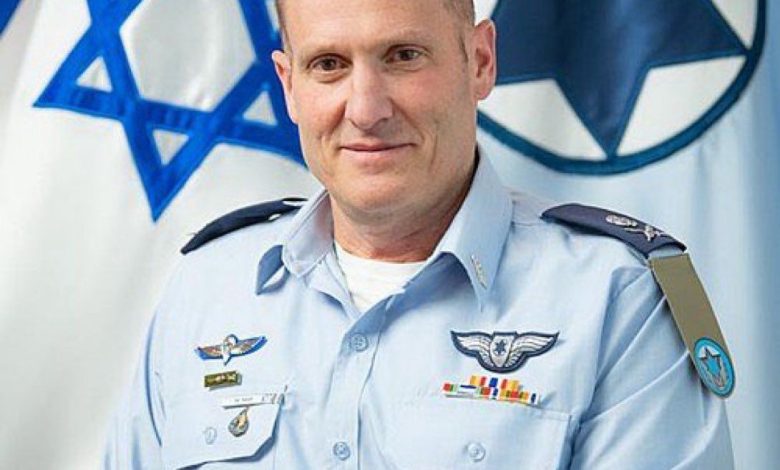
Reports circulating in international media and on regional security channels claim that Iran may have been involved in a targeted assassination of Israeli Air Force Commander Tomer Bar, a development that—if confirmed—would represent a major escalation in the already volatile tensions across the Middle East. The alleged strike reportedly targeted Bar, a senior military figure widely regarded as one of the key architects behind Israel’s modern aerial defense strategy and operational planning within the Israeli Air Force.
According to early accounts from sources discussing the incident, the operation was described as highly precise and carefully planned, suggesting that the attackers intended to eliminate a high-value military target rather than carry out a broader attack. Commander Bar has played a central role in Israel’s air operations, including oversight of air defense systems, intelligence-driven strikes, and coordination of complex aerial missions. Because of his position and strategic influence within Israel’s military leadership, he would represent a significant symbolic and operational target for adversaries seeking to weaken Israel’s military command structure.
The reported assassination comes at a time when tensions between Israel and Iran—and Iran-aligned groups across the region—are already running high. Over the past several years, the Middle East has witnessed a pattern of indirect confrontation between the two sides, often referred to as a “shadow war.” This conflict has included cyber operations, covert actions, targeted killings, and strikes carried out through allied militias or proxy groups operating in places such as Syria, Lebanon, Iraq, and Yemen.
Analysts note that if Iranian involvement were confirmed, it would mark a dramatic shift in the nature of the confrontation. Historically, both sides have often operated through covert channels or intermediaries to avoid triggering full-scale war. Directly targeting a senior Israeli military commander would signal a far more aggressive posture and could fundamentally alter the strategic calculations of both governments.
Officials in Washington are reportedly monitoring the situation closely. U.S. defense and intelligence agencies have long warned that targeted attacks on senior military leaders can rapidly escalate conflicts, particularly in regions already strained by multiple overlapping disputes. American officials are said to be urging restraint while diplomatic channels remain active, as governments across the world attempt to verify the details of the incident and assess its potential consequences.
Across international capitals, the news has sparked immediate concern about the possibility of a wider regional confrontation. Middle East security experts warn that such an event could trigger retaliatory actions, potentially drawing in additional state and non-state actors. Groups aligned with Iran, including militias and armed organizations operating across the region, could become involved if the situation spirals, further complicating an already fragile security environment.
Within Israel, military and political leadership would likely be conducting urgent assessments and contingency planning. The Israeli Defense Forces traditionally maintain a high level of readiness in response to threats against senior commanders or strategic assets. Observers expect increased military alert levels, intelligence operations, and consultations among Israel’s security cabinet as officials determine how to respond.
At the same time, diplomatic voices are calling for caution. International policy experts emphasize that measured responses and careful communication between governments will be crucial in preventing the situation from escalating into a broader conflict. The Middle East has experienced numerous moments where isolated incidents risked igniting wider wars, and many leaders are hoping to avoid repeating that pattern.
As more verified information emerges, governments, analysts, and observers around the world will be watching closely. The coming days will likely determine whether the reported attack becomes another episode in the long-running shadow conflict—or a turning point that reshapes the security landscape of the region. For now, the situation remains tense, with global attention fixed on how Israel, Iran, and their respective allies choose to respond.