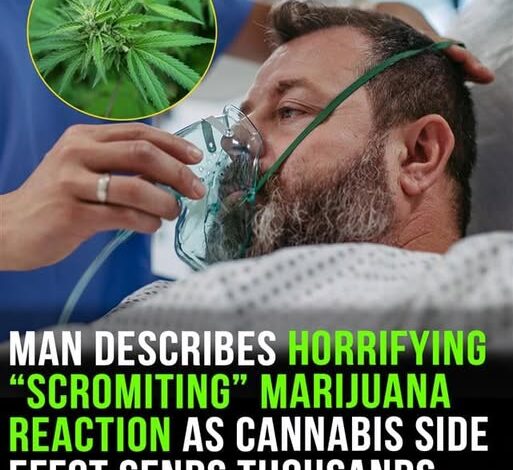
For many years, cannabis has been promoted—and widely accepted—as a natural alternative to traditional medications. People often turn to it in search of relaxation, improved sleep, or relief from stress and chronic discomfort. For the majority of users, cannabis remains an occasional or moderate experience. However, for some individuals—particularly those who use it heavily over long periods or began using it at a young age—the experience can take an unexpected and troubling turn in the form of a condition called Cannabis Hyperemesis Syndrome (CHS).
When CHS develops, everyday life can begin to revolve around the fear of unpredictable symptoms. Individuals may experience sudden bouts of intense nausea and repeated vomiting that appear without clear warning. These episodes can last for hours or even several days, leaving the body exhausted and daily routines difficult to maintain.
The effects often extend beyond physical illness. People dealing with CHS may miss work, skip school, or withdraw from social activities because they cannot predict when symptoms will return. Over time, this unpredictability can damage confidence in their own bodies, making even simple things—like eating a meal or relaxing with friends—feel uncertain.
One of the most challenging aspects of CHS is the emotional conflict it creates. Cannabis is frequently used for anxiety relief, sleep, or pain management, so discovering that the same substance may be responsible for severe illness can feel deeply frustrating. Because the link between cannabis and the symptoms is not always immediately recognized, many people spend long periods searching for other possible explanations.
Some attempt lifestyle changes such as strict diets, hydration strategies, or switching to different cannabis strains, hoping the symptoms will improve. Others assume the cause must be unrelated and continue using cannabis, unknowingly extending the cycle of sickness. This uncertainty can make the condition feel confusing and discouraging.
Eventually, many people reach a moment of realization where they begin to consider cannabis itself as the trigger. Medical professionals commonly advise stopping cannabis use entirely, as this is currently the most reliable way to prevent recurring episodes and allow the body to heal.
Although the process of quitting can be emotionally difficult—especially for those who relied on cannabis for relief—it often marks the beginning of recovery. Moving away from cannabis becomes more than simply ending a habit; it becomes an opportunity to restore physical health, regain control over everyday life, and rebuild trust in one’s own body.