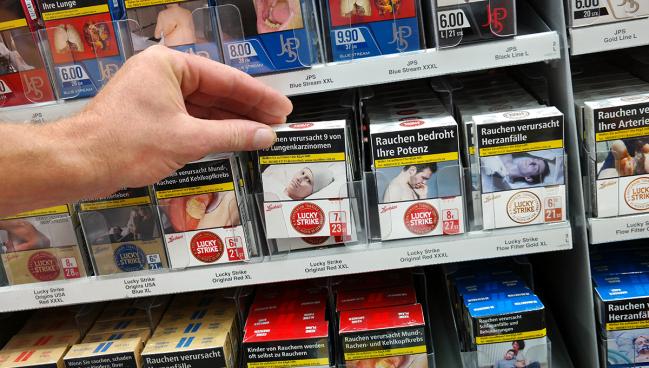
Cigarettes in France rank among the most expensive in Europe, and the price reflects more than simple market demand. While tobacco companies may recommend a starting price, the final cost largely depends on government decisions. Through taxes and duties, the state plays the dominant role in determining how much smokers ultimately pay, making each pack a reflection of national policy rather than just commerce.
The majority of the price of a cigarette pack comes from taxation. Only a small portion of the money goes to manufacturers and tobacco retailers. Even rolling tobacco, which was once considered a cheaper option for smokers trying to cut costs, has steadily become more expensive as similar tax policies have been applied to it.
These price increases are not accidental. The government intentionally raises tobacco taxes as part of broader public health efforts. Often tied to inflation and long-term health strategies, these measures aim to reduce smoking rates by making the habit less affordable. Officials argue that the financial pressure helps discourage consumption and ultimately prevents the thousands of deaths linked to tobacco use each year.
In addition to higher prices, smoking restrictions in public spaces have expanded significantly. Smoking is now prohibited in many outdoor areas such as parks, beaches, and spaces around schools. People who break these rules—either by smoking where it is forbidden or by improperly discarding cigarette butts—can face fines, reinforcing the government’s strong stance against tobacco use.
However, the situation is not without complications. Addiction makes quitting difficult, and economic differences create challenges for policy enforcement. In border regions, many smokers travel to neighboring countries where tobacco is cheaper, while illegal trade and smuggling have also grown as a response to rising prices.
Some critics argue that constant price increases place the heaviest burden on low-income smokers, who may struggle the most with addiction but have the least financial flexibility. Others believe the strategy remains necessary. Supporters of the policy emphasize that combining taxation, strict regulations, and public awareness campaigns is the most effective way to reduce smoking and discourage younger generations from starting.
In France, a pack of cigarettes represents more than a consumer purchase. It reflects a broader political and public health strategy, balancing government revenue, regulation, and efforts to change behavior. The message behind the price is clear: smoking carries consequences, and the state intends for that cost to be impossible to ignore.