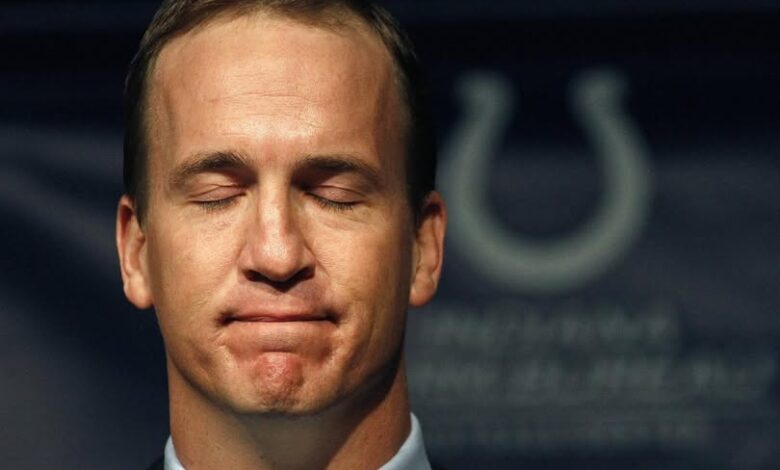
Peyton Manning is remembered not only as one of football’s greatest quarterbacks but also as a widely respected public figure whose career combined precision, leadership, and a relatable sense of humor. From his historic run with the Indianapolis Colts to his championship finale with the Denver Broncos, Manning built a reputation that extends far beyond the field. Because of that popularity, he occasionally becomes the subject of false online rumors—particularly hoaxes claiming that he has died. These stories often spread quickly because fans react emotionally to shocking headlines and share them before confirming whether they are true.
Most of these rumors follow a familiar formula. They appear as urgent “breaking news” posts that imitate legitimate media outlets, using dramatic language such as “just confirmed” or “reports coming in now.” The goal is to create a sense of urgency so readers share the information before verifying it. In Manning’s case, his strong connection to Colorado—as a longtime Denver resident, philanthropist, and supporter of local sports organizations—makes fabricated stories seem believable at first glance. Yet when such claims surface, they typically lack confirmation from trusted sources like major sports networks, reputable newspapers, or official team statements.
Situations like these highlight the importance of verifying information before sharing it. In today’s digital environment, misleading headlines and viral posts can spread widely in minutes. A genuine event involving someone as prominent as Manning would immediately be reported by organizations such as the NFL, the Denver Broncos, ESPN, or the Associated Press. When those outlets remain silent, it is a strong indication that the circulating claim is inaccurate.
It is also important to remember that these hoaxes have real consequences. False reports about someone’s death can cause distress for their families, friends, and fans. Loved ones may suddenly face a flood of messages and concern sparked by a rumor that has no basis in reality. What might appear online as a viral joke or prank can become a deeply upsetting experience for the people closest to the individual involved.
As technology evolves, misleading content—including AI-generated posts and manipulated images—can appear increasingly convincing. That makes careful media habits even more important. Taking a moment to verify information through trusted outlets can prevent misinformation from spreading further and helps maintain a healthier online environment.
In reality, Peyton Manning continues to remain active in the sports world and in the Colorado community. Through broadcasting projects, charitable efforts, and mentoring young athletes, he maintains a visible presence long after his playing career ended. Those ongoing contributions reflect the real story—one of continued influence, community involvement, and a lasting legacy in football and beyond.
Ultimately, viral rumors say more about the speed of the internet than about the truth itself. Manning is alive and continuing his work both in sports media and philanthropy. When encountering dramatic headlines online, the most responsible step is simple: pause, verify, and rely on credible sources before sharing the information further.