THE MIND BLOWING SECRETS HIDDEN IN WORLD FAMOUS LOGOS THAT YOU HAVE BEEN LOOKING AT YOUR ENTIRE LIFE WITHOUT EVER NOTICING THE TRUTH

We live in a world overflowing with images—logos, colors, symbols—all competing for our attention every second of the day. From the moment we wake up to the time we go to sleep, we pass by countless brand visuals without giving them a second thought. They feel familiar, almost invisible in their consistency. But the truth is, most of us only notice what’s on the surface. Beneath those clean lines and bold designs lies a deeper layer—one carefully crafted to speak to us without us even realizing it.
Modern branding isn’t just about looking good; it’s about making us feel something. Designers spend years refining visuals that subtly influence perception, emotion, and memory. Every curve, shadow, and color choice can carry meaning. These hidden details aren’t always obvious—but once you notice them, it’s hard to unsee them.
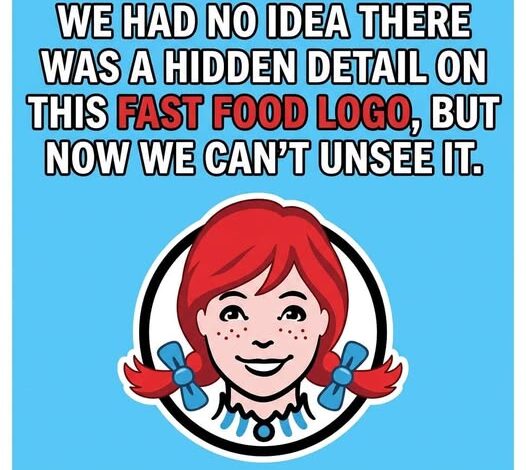
Take the well-known Wendy’s logo. At first glance, it’s simply a friendly red-haired girl with pigtails, representing warmth and tradition. But if you look more closely at her collar, many people notice something interesting: the folds and lines seem to spell out the word “MOM.” Whether intentional or coincidental, the effect is powerful. It connects the brand to ideas of home, comfort, and familiarity—feelings that naturally influence how people perceive the food.
Another example comes from Subway. The logo appears simple—just the brand name in bold lettering. But look at the first and last letters: the “S” and the “Y” are shaped like arrows pointing in opposite directions. This small detail suggests movement, speed, and flow—mirroring the idea of a fast, convenient service for people on the go. It’s a subtle visual cue that reinforces the brand’s identity without saying a word.
Then there’s Toblerone, the Swiss chocolate brand. Most people recognize its mountain logo as a reference to the Alps. But hidden within the negative space of that mountain, many observers spot the shape of a bear. This detail connects directly to Bern, the Swiss city where the chocolate originated—known as the “City of Bears.” It’s a clever way of embedding heritage into the design, rewarding those who take a closer look.
These kinds of details are often called “visual Easter eggs”—small, hidden elements that add depth and meaning. They turn logos into more than just identifiers; they become stories, puzzles, and emotional triggers. Once you start noticing them, the world around you begins to feel different. Logos are no longer just decorations—they’re intentional, layered messages.
However, it’s important to understand that not every design element is a form of “hidden manipulation.” Sometimes, these patterns emerge naturally from artistic choices or are simply interpreted differently by viewers. The power of these visuals often comes from suggestion rather than certainty—our brains are wired to find meaning, even in subtle or ambiguous shapes.
What makes all of this fascinating is the human element behind it. Every logo has a designer, a team, a process. Someone made decisions about how that brand should feel, what it should represent, and how it should connect with people. Even in highly commercial spaces, there is creativity, intention, and storytelling at work.
The real takeaway isn’t to become suspicious of every image—but to become more aware. Slowing down and truly observing what’s in front of you can transform everyday experiences. A quick glance at a logo can turn into a moment of curiosity. A routine trip to the store can reveal unexpected details.
In a fast-paced world where we’re constantly encouraged to move quicker, noticing these small things becomes something meaningful. It’s a reminder that there’s often more beneath the surface—not just in branding, but in the way we see everything around us.
So next time you pass a familiar logo, pause for a moment. Look a little closer. You might discover that what once seemed simple is actually layered with intention, creativity, and quiet storytelling—waiting to be noticed.