What Happens to Your Body When You Eat Purslane Every Day — Especially After 60 — From Boosting Heart Health and Improving Digestion to Supporting Brain Function and Reducing Inflammation, Discover the Surprising Benefits of This Often-Overlooked Superfood That Can Transform Wellness and Vitality in Later Life

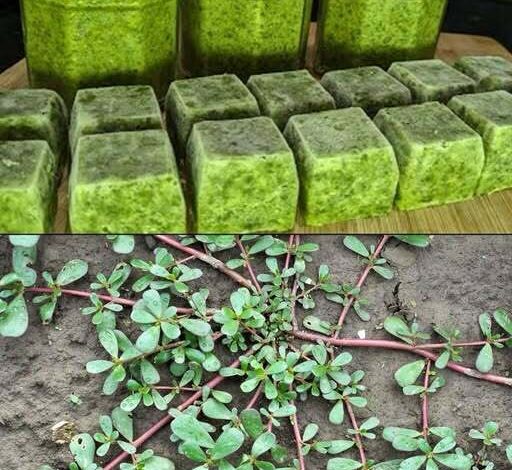
Purslane is often dismissed as an ordinary garden weed—something many people pull out and throw away without much thought. Yet when you look a little closer, this modest plant turns out to be one of the most nutrient-rich leafy greens available. For adults over the age of 60, purslane is far more than a simple salad addition. It is a quiet nutritional powerhouse, a natural gift hidden in plain sight. In a time when many people spend large amounts of money on supplements, powders, and imported “superfoods,” it’s remarkable that such impressive nutrition can come from a plant that grows freely in gardens, sidewalks, and local markets at almost no cost.
Many people believe that foods labeled as “superfoods” must be rare, expensive, or exotic. Popular choices like kale, blueberries, and chia seeds have dominated wellness discussions for years. However, few realize that purslane contains a unique combination of vitamins, minerals, and omega-3 fatty acids that rivals or even exceeds many of these trendy foods. Although purslane has faded from everyday diets in some regions, it has been valued for centuries in Mediterranean, Middle Eastern, and Asian cuisines. Modern nutritional science is now confirming what traditional cultures have long understood: purslane is one of the most nutritionally valuable greens nature offers.
Its benefits become especially meaningful for people over 60. As we age, natural changes occur in metabolism, digestion, heart function, brain performance, and bone strength. The body may absorb nutrients less efficiently and often needs additional support to stay balanced. Adding purslane to everyday meals can help fill those nutritional gaps. Even a small portion mixed into salads, soups, omelets, or sautéed dishes can provide a noticeable boost to overall health and vitality.
One of purslane’s most impressive qualities is its high concentration of omega-3 fatty acids, particularly alpha-linolenic acid (ALA). Omega-3s are usually associated with fish or costly supplements, but purslane is one of the richest plant-based sources available. For older adults, these healthy fats are important for maintaining cardiovascular health, reducing inflammation, supporting brain function, and helping maintain balanced cholesterol levels. For those who do not regularly eat fish, purslane offers a simple and affordable plant-based alternative.
In addition to omega-3s, purslane contains a strong lineup of antioxidants, including vitamins A, C, and E. These nutrients help protect cells from oxidative stress, which increases as we age. Vitamin A supports healthy vision and immune function, vitamin C assists with collagen production and healing, and vitamin E helps protect nerves and tissues. Together, these vitamins help slow some of the cellular damage associated with aging.
Purslane also provides several essential minerals that are particularly valuable later in life. Magnesium plays a key role in muscle function, nerve signaling, sleep quality, and the prevention of cramps. Many older adults are unknowingly low in magnesium, which can lead to restless sleep, muscle tension, and even irregular heart rhythms. Including purslane in meals can help restore magnesium levels naturally.
Potassium is another nutrient found in abundance in purslane. This mineral helps regulate blood pressure, supports proper heart rhythm, and maintains fluid balance in the body. Because blood pressure management becomes increasingly important with age, potassium-rich foods like purslane can contribute to long-term cardiovascular wellness.
Purslane also contains calcium, a mineral crucial for maintaining strong bones and preventing osteoporosis. While many people rely on dairy or supplements for calcium, plant sources like purslane provide an additional option that is easy for the body to digest. The presence of magnesium and vitamin K in the plant further helps the body use calcium efficiently, making purslane particularly supportive for bone health.
Another area where purslane shines is digestive health. As people grow older, digestion often becomes more sensitive, and issues such as constipation or bloating can become more common. The fiber in purslane supports regular digestion and helps nourish beneficial gut bacteria. Its slightly mucilaginous texture when cooked can also soothe the digestive tract, making it gentler than many tougher leafy vegetables.
Cognitive health is another concern many people have as they age. Memory lapses, mental fatigue, and difficulty concentrating can gradually appear. The combination of omega-3 fatty acids, antioxidants, and anti-inflammatory compounds found in purslane may help support brain health. While no single food can prevent age-related cognitive changes entirely, nutrient-dense foods like purslane can help protect brain cells and promote clearer thinking over time.
Chronic inflammation is another challenge commonly associated with aging. It plays a role in conditions such as arthritis, heart disease, and metabolic disorders. Purslane naturally contains compounds that help reduce inflammation throughout the body. For individuals dealing with joint discomfort or stiffness, incorporating anti-inflammatory foods like purslane alongside other healthy habits may contribute to improved mobility and comfort.
Eye health is yet another area where purslane offers support. Its vitamin A and beta-carotene content helps protect the eyes from damage associated with aging. Conditions such as macular degeneration and cataracts become more common later in life, and antioxidant-rich foods can play a role in protecting vision over the long term.
Another appealing quality of purslane is its versatility in the kitchen. The leaves have a mild flavor with a slightly tangy, lemon-like taste. They can be eaten raw in salads, layered into sandwiches, stirred into soups, sautéed like spinach, or blended into smoothies. Because the plant grows easily even in dry climates, it is widely available and affordable. Many gardeners find that once purslane appears, it tends to return each season with little effort.
For older adults living on fixed incomes, this affordability makes purslane especially valuable. It offers powerful nutrition without requiring expensive ingredients or complicated recipes. Unlike some delicate greens that spoil quickly, purslane’s succulent leaves allow it to stay fresh longer.
Some people even discover purslane growing naturally in their own gardens or yards. When harvesting wild purslane, it is important to ensure it comes from clean, pesticide-free locations. Farmers’ markets often carry it during warmer months, and it is gradually becoming more common in grocery stores as awareness grows.
Beyond its physical health benefits, purslane can also bring a sense of satisfaction and connection to nature. Gardening, harvesting fresh greens, and preparing meals from simple ingredients can be deeply rewarding activities. Purslane’s ability to thrive in challenging conditions makes it a fitting symbol of resilience—much like the people who choose to grow and enjoy it.
Eating purslane regularly, even just a few times each week, may help support better digestion, stable energy, improved heart health, and sharper mental clarity. It is not a miracle cure, but rather a steady and reliable source of nourishment that gradually supports well-being over time.
As the years pass, small daily choices can have a meaningful impact on long-term health. Adding a handful of purslane to meals here and there can help strengthen bones, support the heart, calm inflammation, aid digestion, and nourish the mind. Its value lies in its simplicity—an everyday plant offering quiet but powerful nourishment.
Perhaps the most remarkable thing about purslane is how easily it can be overlooked. It grows quietly in places where few people expect it, often unnoticed beneath our feet. Yet hidden within this humble plant is a wealth of nutrition waiting to be appreciated. Sometimes the most powerful sources of health are not the ones heavily advertised—but the ones nature provides freely, patiently waiting to be discovered.