The price per pack of cigarettes is largely determined by government taxes, manufacturer costs, and retailer margins. Taxes often make up the biggest portion, sometimes more than half the price. Retailers add a small margin for profit. Periodic tax increases raise prices over time, which governments often use to reduce smoking rates and generate public revenue.

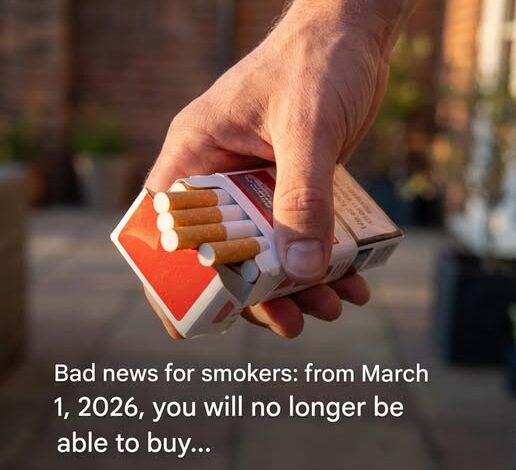
Cigarette Prices in France Continue to Rise
Cigarette prices in France have been increasing for many years as part of a deliberate public health policy designed to reduce tobacco consumption. Unlike many other consumer goods, the price of tobacco products is tightly regulated by the government rather than freely set by retailers.
Manufacturers or importers first propose a retail price that includes production costs, distribution expenses, and taxes. This proposed price must then be approved by the French authorities, particularly the Directorate General of Customs and Indirect Taxes. Once approved, the price becomes the official national price.
Because of this system, cigarettes are sold at the same price everywhere in France. Tobacconists cannot offer discounts, promotions, or regional price variations. This centralized pricing model allows the government to monitor the market and influence price changes over time.
How the Price of Cigarettes Is Calculated
The price consumers pay for a pack of cigarettes is divided among several different stakeholders.
Manufacturers generally receive around 15% of the final retail price, which covers production, marketing, and distribution costs.
Tobacconists earn a commission of roughly 8% to 10%, which serves as their compensation for selling tobacco products.
However, the largest share of the price is made up of taxes. In France, between 75% and 80% of the retail price of cigarettes consists of state taxes, making tobacco one of the most heavily taxed products available to consumers.
These taxes serve two purposes: they generate public revenue and also act as a deterrent to smoking.
Two main types of taxes apply to tobacco products:
- Excise duties
- Value-added tax (VAT)
The government regularly adjusts these taxes through financial legislation, which often results in higher cigarette prices.
The Role of Excise Taxes
Excise duty is the primary tax applied to tobacco in France. Unlike VAT, which is calculated based on the product’s price, excise duty is largely based on the quantity of tobacco.
The system uses a mixed formula combining:
- a percentage of the retail price
- a fixed amount per thousand cigarettes or per kilogram of tobacco
If the calculated amount falls below a legally defined minimum threshold, the minimum tax automatically applies. This rule prevents manufacturers from reducing prices significantly to lower their tax obligations.
In addition to excise duty, tobacco products are also subject to VAT included in the retail price at approximately 16.66%.
Tobacconists receive a discount on the official retail price as part of their compensation. This margin is around 10.19% in mainland France and slightly higher in Corsica.
Cigarette Prices in 2026
The upward trend in cigarette prices continued into 2026.
As of January 1, 2026, the average cost of a pack of twenty cigarettes rose to around 12.50 to 13 euros, while some premium brands now exceed 13.50 euros per pack.
These increases follow several adjustments introduced throughout 2025. During that year, many popular brands experienced price increases ranging from 20 to 55 cents per pack. Another price revision took place in September 2025, although it affected fewer products.
Because of these successive adjustments, many cigarette brands now exceed the symbolic 12.50-euro threshold.
Cartons have also become much more expensive. A standard carton containing ten packs often costs between 250 and 300 euros. Larger packs containing 25 or 30 cigarettes can push the price of a carton beyond 350 euros.
Cheaper Brands Still Exist — But the Gap Is Shrinking
Although prices continue to rise, some lower-cost cigarette brands remain available.
In recent years, the least expensive packs have typically sold for between 10.40 and 10.90 euros. However, the price difference between budget brands and premium products has gradually narrowed.
By 2026, most cigarette packs fall within a relatively tight range of 12.50 to 13.50 euros.
Rolling tobacco has also become more expensive. A 30-gram pouch of roll-your-own tobacco can now cost anywhere between 14.90 and 18.60 euros, depending on the brand.
These increases reflect a long-term strategy aimed at discouraging tobacco use by gradually raising prices.
A Long-Term Upward Trend
The steady increase in tobacco prices began in the early 2000s.
At that time, a pack of cigarettes cost around three euros. By 2004, prices had already risen to approximately five euros, and by 2020 the average pack cost had reached ten euros.
Since then, continued tax adjustments have pushed the average price to about thirteen euros in 2026.
One key factor behind this trend is the government’s decision to link tobacco taxation to inflation. Since 2023, the tax rate applied to tobacco products has been indexed to the consumer price index from the previous year. This policy ensures that cigarette prices increase steadily over time.
If the current trajectory continues, projections suggest that a pack of cigarettes could reach around 20 euros within the next decade, and potentially 26 euros by 2040.
A Public Health Strategy
The rising price of tobacco products is part of a broader strategy to reduce smoking in France.
Smoking remains the leading cause of preventable death in the country, contributing to more than 75,000 deaths each year.
Higher prices are considered one of the most effective ways to discourage smoking, particularly among younger people who may be more sensitive to financial barriers.
Other measures have also been introduced to reduce tobacco consumption. These include:
- plain packaging laws
- public awareness campaigns
- restrictions on smoking in public spaces
Smoking has been banned in enclosed public areas since 2007, and the restrictions were expanded in 2025 to include certain outdoor locations where children are commonly present. These include beaches, parks, areas near schools, bus stops, and sports facilities.
Authorities are also addressing environmental issues related to cigarette waste and tightening regulations on alternative nicotine products such as disposable electronic cigarettes.
Through these combined policies, France hopes to significantly reduce tobacco use and move toward the long-term goal of creating a tobacco-free generation.