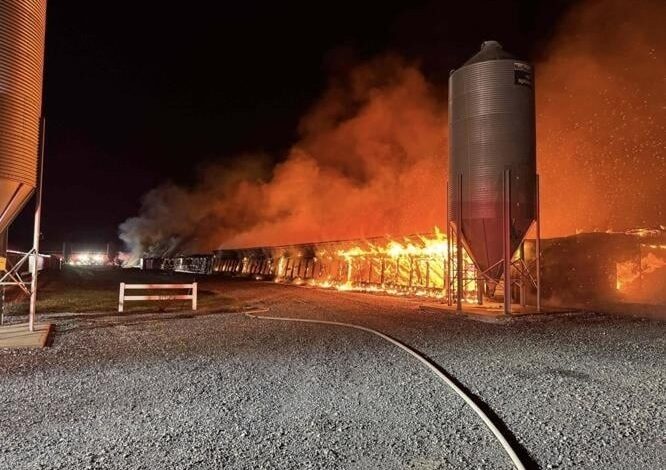
The destructive force of a fast-moving wildfire is often measured not in hours but in the frantic moments people have to escape its path. In a devastating incident that has dramatically altered the surrounding landscape, a massive fire recently swept through residential neighborhoods, damaging or destroying an estimated 300 homes. What initially appeared to be a contained fire quickly escalated into a widespread emergency as extremely dry conditions and powerful winds turned the flames into an uncontrollable surge of heat and smoke. As crews continue assessing the aftermath, the story of that night is being pieced together through the experiences of residents who barely managed to flee in time.
The fire’s rapid expansion was driven by a combination of severe environmental factors. According to fire officials, the region had been experiencing prolonged dry weather, leaving vegetation brittle and highly flammable. When the fire ignited, strong winds intensified the situation by pushing the flames across roads, firebreaks, and other barriers meant to slow its spread. In several areas, firefighters observed the dangerous phenomenon known as “spotting,” where burning embers are carried by the wind and ignite new fires far ahead of the main blaze. These airborne sparks allowed the fire to jump across blocks, creating multiple new ignition points and making containment efforts extremely difficult.
Residents described the night as a sudden shift from calm to chaos. Many recalled smelling faint smoke in the early evening, only to watch the situation deteriorate rapidly within minutes. The sky darkened with thick smoke and ash while emergency sirens echoed through neighborhoods. Loud explosions from electrical transformers punctuated the roar of the fire, a sound several witnesses compared to a passing freight train. With visibility reduced to only a few feet in some areas, families rushed to evacuate, often grabbing little more than important documents, pets, and a few belongings before leaving their homes behind. Even houses that escaped direct flames suffered damage from the intense heat, which warped siding and shattered windows.
Emergency responders mobilized quickly, but the scale and speed of the fire created enormous challenges. Fire crews from multiple regions were deployed to assist local teams, while aircraft dropped large quantities of fire retardant in attempts to slow the advancing flames. Ground firefighters worked through the night in hazardous conditions, battling extreme heat and fatigue while trying to protect homes and guide evacuations. Several firefighters were treated for minor injuries related to smoke inhalation and heat exhaustion. Despite the widespread destruction, authorities reported that no fatalities had been confirmed, a result credited to rapid evacuation efforts and neighbors alerting one another when danger approached.
When daylight arrived, the extent of the devastation became painfully clear. Entire neighborhoods had been transformed into fields of gray ash and twisted metal. In many places, chimneys were the only structures left standing, marking where homes once stood. Residents returning to inspect their properties faced an unfamiliar landscape where streets and landmarks were difficult to recognize. The smell of burned wood lingered in the air, and the silence of the area reflected the emotional weight of the loss. For many families, the greatest heartbreak came not from the loss of buildings but from the disappearance of personal memories—family photographs, keepsakes, and treasured belongings that could never be replaced.
With the immediate danger reduced, local officials shifted their focus toward recovery and support for those displaced. Thousands of residents were forced to leave their homes, creating an urgent need for temporary housing, food, and medical assistance. Emergency shelters were established in schools and community centers, where organizations such as the Red Cross provided essential aid and counseling services. Community members quickly stepped forward to help, offering meals, supplies, and storage space for salvaged belongings. Government leaders have pledged financial assistance and long-term support, though they acknowledge that rebuilding will likely take years.
Investigators are now working to determine how the fire began. Specialists are examining the area believed to be the point of origin, searching for clues that could reveal whether the fire was caused by natural conditions, infrastructure failure, or human activity. Understanding the cause is essential for improving prevention strategies, updating building regulations, and strengthening disaster preparedness. At the same time, crews are addressing widespread infrastructure damage. Many roads remain closed, and utility workers are replacing damaged power lines and poles before residents can safely return.
Despite the enormous losses, stories of compassion and cooperation have emerged as a defining part of the aftermath. Neighbors who previously barely knew each other are now working together to clear debris and support families in need. Volunteers from nearby towns have arrived with supplies, and some residents have opened their homes to those who lost everything. Community leaders acknowledge the profound impact of the disaster but emphasize that the resilience of the people remains strong.
In the coming weeks, attention will gradually move from emergency response to rebuilding efforts. Residents will face complicated processes involving insurance claims, cleanup operations, and reconstruction plans. Environmental experts are also monitoring the surrounding hillsides, where the loss of vegetation may increase the risk of soil erosion or flooding during future rainstorms. Restoration teams are already considering replanting and stabilization measures to reduce these risks.
The wildfire of March 2026 will likely remain a defining moment for the region. It has revealed both the vulnerability of communities to extreme environmental conditions and the remarkable strength that emerges when people come together in times of crisis. The destruction of hundreds of homes represents more than a statistic—it reflects hundreds of families whose lives were suddenly disrupted.
Yet community leaders remain determined that the story will not end with devastation. As rebuilding begins and support continues to flow into the region, the focus remains on creating a safer and stronger future. The fire may have altered the landscape, but it has also revealed the enduring resilience of a community determined to rebuild and move forward.