ST13. When a Photo Says Too Much: The Real Story Behind Extreme Weight Loss, Recovery, and the Pressure to Look “Perfect”

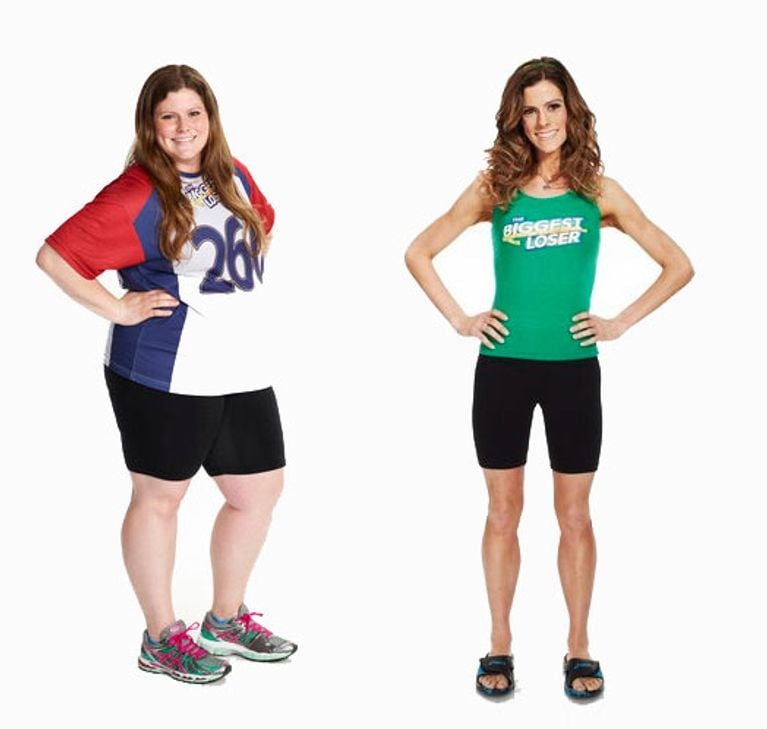
Images carry influence—especially the ones that surface without warning in our social media feeds. A widely shared photo of a very thin young woman in a striped bikini, circulated through Facebook and Instagram stories, is one of those images that makes people pause. It interrupts the endless scrolling not simply because of how she looks, but because it touches on something deeper: the quiet battle surrounding body image, health, and the relentless pressure to match unrealistic standards.
For some viewers, the reaction is simple curiosity. For others, it sparks worry, unease, or even personal reflection. No matter the response, a more meaningful question lingers beneath the surface: What circumstances lead someone to such a delicate physical condition—and what does genuine recovery actually involve?
This piece explores the layered realities behind extreme weight changes, the myths amplified by social media culture, and the truth about healing—not just in the body, but in the mind as well.
The Invisible Weight of “Perfection”

Today’s culture places constant emphasis on appearance. With filters, editing tools, and carefully curated celebrity lifestyles dominating social platforms, an unrealistic standard of beauty is presented as normal. For those who are particularly vulnerable to comparison or social pressure, these ideals can gradually turn into an unhealthy fixation on thinness, control, or perfection.
Severe weight loss rarely has a single cause. It can be linked to emotional distress, chronic stress, medical conditions, nutritional imbalances, or prolonged pressure to meet appearance-based expectations. A single photograph may show only one frozen moment in time, but it can point to a much larger truth: when self-worth becomes tied to a specific physical image, the body often mirrors the inner conflict.
Why These Images Provoke Strong Responses
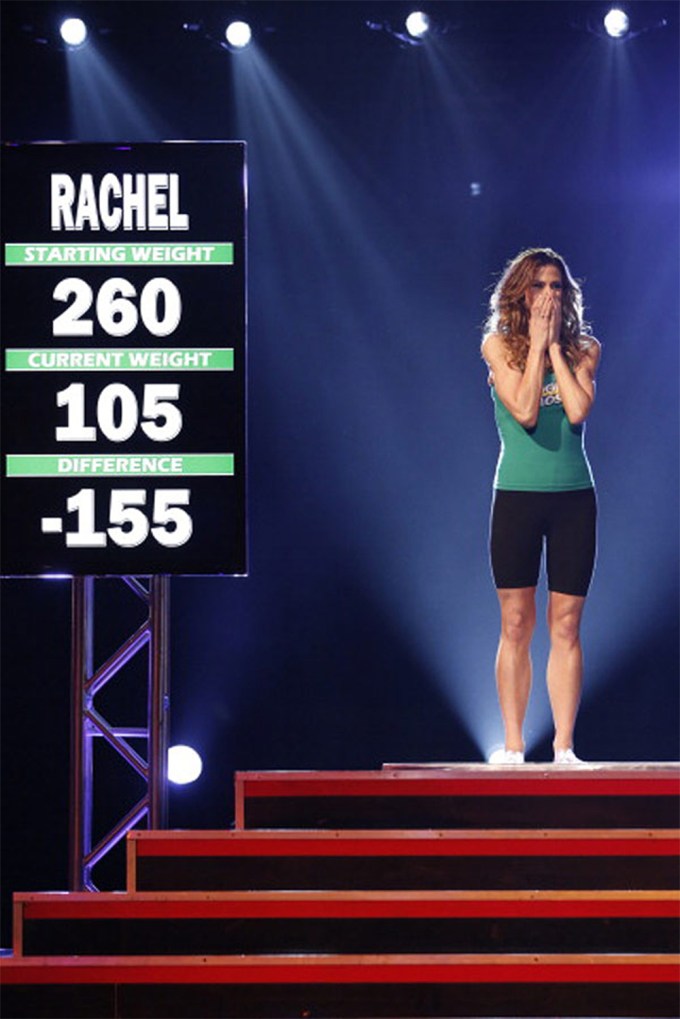
When we see a body that appears pushed beyond healthy limits, concern is a natural response. The human body is designed for equilibrium—steady nourishment, recovery, and strength. When that balance is disrupted by prolonged restriction, overwhelming stress, or physical depletion, the effects often become visible: noticeable weight loss, reduced muscle tone, thinning hair, fatigue, and other outward signs of internal strain.
Yet the strong reaction many people feel isn’t only about what is physically visible. It’s about what the image represents on a deeper level.
It reflects how easily someone can lose their sense of self while chasing an ideal they didn’t define.
It highlights a culture that often praises thinness more quickly than it promotes true well-being.
It underscores the growing need for empathy—both toward others and toward ourselves.
Images like these spread quickly not simply because of appearance, but because they tap into a shared experience. Most people, at some point, have felt the weight of expectations about how they “should” look. The photo becomes a symbol of that pressure.
The Forces That Drive Extreme Choices
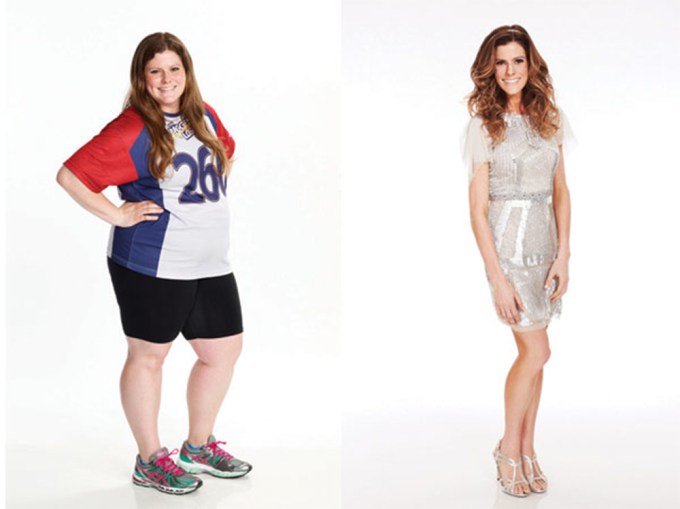
Although every individual’s experience is unique, certain recurring influences often play a role in harmful cycles of extreme weight loss or rigid self-restriction.
1. The Comparison Trap on Social Media
Digital platforms prioritize striking visuals. Images that appear leaner or more “ideal” frequently receive more engagement, reinforcing the idea that appearance equals value. Over time, constant comparison can distort self-perception, leading people to evaluate their worth based on aesthetics rather than character, abilities, or kindness.
2. Perfectionism as a Form of Control
For some, tightly controlled routines around food, exercise, or physical appearance become a way to manage anxiety, stress, or unpredictability. Structure can feel safe. However, when the need for control overrides physical well-being, the coping strategy itself becomes damaging.
3. Confusion Around “Healthy” Trends
Modern diet culture often disguises extremes as discipline. Phrases like “clean eating,” “detox,” or “rapid fat loss” are widely promoted without sufficient discussion of risks. When taken to extremes, these trends can compromise metabolism, hormonal balance, and mental health—while still being praised as dedication.
4. The Quiet Nature of Struggle
Many people dealing with unhealthy weight loss remain silent. Their routines may look like commitment from the outside. Compliments about “willpower” or “discipline” can even reinforce the behavior. Often, concern arises only when visible signs become difficult to ignore.
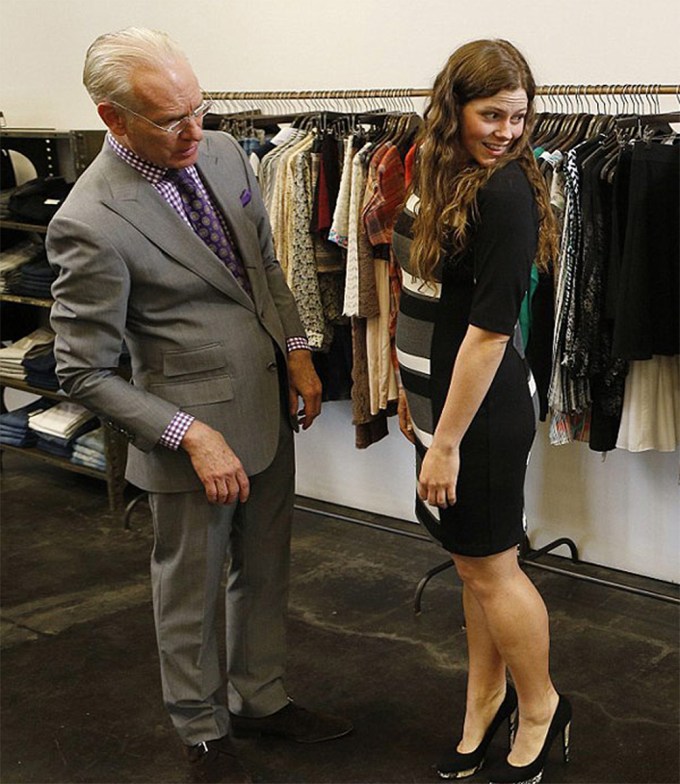
The “before and after” format used in many social media posts often oversimplifies recovery. It suggests The way transformation is often portrayed online suggests a dramatic turning point followed by a flawless, motivational comeback. In reality, recovery is rarely linear or quick. It is not a single breakthrough moment—it is a gradual rebuilding process that unfolds over time.
True healing requires patience, professional care, emotional work, and a commitment to creating healthier patterns. It involves setbacks, learning curves, and consistent support.
Physical Recovery
Restoring physical health is a careful process. Reintroducing proper nutrition, rebuilding muscle mass, regulating hormones, and strengthening the immune system must happen progressively and often under medical supervision. The body needs time to regain stability, and rushing that process can create additional complications.
Mental and Emotional Recovery
Repairing physical health is only part of the journey. Sustainable recovery depends equally on emotional healing.
This may involve:
- Challenging distorted beliefs about self-worth
- Exploring underlying stress, anxiety, or past trauma
- Rebuilding confidence independent of appearance
- Identifying and interrupting harmful behavioral patterns
If the emotional roots remain unaddressed, physical progress alone is unlikely to last. Lasting change comes from reshaping the mindset as well as restoring the body.
The Role of Social Support
No one heals in isolation. Recovery becomes stronger and more sustainable when individuals are surrounded by compassionate friends, supportive family members, or understanding communities. A safe environment—one that prioritizes health, stability, and dignity over appearance—creates the foundation for genuine progress.
Why Conversations Like This Matter
Stories like this resonate because they reflect a broader cultural reality. They remind us that transformation is not about perfection or applause. It is about rebuilding balance, reclaiming self-worth, and choosing well-being over external validation.
When we shift the conversation from appearance to health, from judgment to empathy, we create space for real healing—not just for one person, but for everyone navigating similar pressures.

Talking about images like the one shared in the Facebook Story isn’t about criticizing someone’s body or choices—it’s about becoming more mindful. Photos like these can act as mirrors, prompting deeper questions:
Why do appearances hold so much power over us?
How much do social media standards influence the way we judge ourselves?
What are we reinforcing when we link thinness so closely with achievement or attractiveness?
When we pause to reflect on these questions, we open the door to more balanced and compassionate conversations about health and self-worth.
Moving Toward Healthier Perspectives
Rather than celebrating dramatic “before and after” comparisons, it’s far more constructive to promote realistic and sustainable approaches to well-being. Genuine beauty is rooted in stability, energy, confidence, and self-respect—not extremes.
A healthier narrative focuses on:
- consistent, sustainable habits
- nourishing and balanced eating
- caring for mental and emotional health
- proper rest and recovery
- self-compassion and empathy for others
These foundations strengthen both body and mind in ways that quick, dramatic changes rarely can.
Your Body Is a Partner, Not a Problem
One of the most powerful takeaways from images like this is a shift in mindset: the body is not an enemy to battle or a project to perfect. It’s something to support and protect. When appearance becomes the primary measure of value, overall health often pays the price.
Choosing balance, nourishment, and acceptance isn’t giving up—it’s growing up. It reflects an understanding that lasting well-being matters more than temporary praise or online approval.
Lessons Behind the Lens
A single viral photo may seem insignificant, but it can spark meaningful dialogue. It highlights how cultural expectations shape our perceptions of beauty and how easily the line between dedication and self-harm can blur.
Most importantly, it reminds us that every image represents a real person with unseen experiences. Growth and change are possible—but they are healthiest when rooted in care rather than pressure.
If one image inspires someone to reassess unrealistic standards, improve their relationship with their body, or seek support when needed, then it has contributed something positive to the broader conversation.