For Marius and Michelle Nortje, their 40th wedding anniversary was far from ordinary. Instead of a conventional celebration, the South African couple chose to immerse themselves in the untamed beauty of Kruger National Park, a vast wilderness spanning nearly 19,500 square kilometers in northeastern South Africa.
The park, famous for its incredible biodiversity, hosts Africa’s iconic wildlife—lions, elephants, rhinos, leopards, and giraffes—providing an ideal backdrop for a milestone that celebrates both longevity and shared adventure. For the Nortjes, the experience was more than sightseeing; it was a reunion with nature, a reflective journey through the wild that mirrored their enduring partnership.
Over four decades together, the couple has cultivated a love for exploration and discovery. In the heart of Kruger, every moment—from spotting a herd of elephants crossing the savannah to witnessing a lion pride basking in the afternoon sun—became a vivid testament to their shared curiosity, courage, and connection. Their anniversary celebration was not just about marking years together but about embracing life’s wonders as a team, surrounded by the raw beauty of the African wilderness.
For the Nortjes, the experience reinforced a simple truth: while anniversaries can be commemorated with luxury or leisure, the greatest gifts are often those that create lasting memories, deepen bonds, and connect us with the natural world.
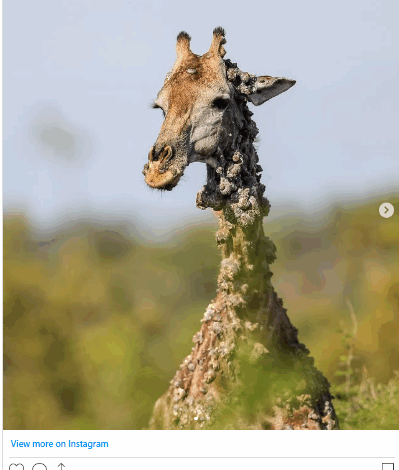
WorldWide Vets quickly weighed in on the situation, analyzing the images Marius had captured during the couple’s safari. Their experts noted that the giraffe appeared to have cutaneous papillomas, a condition caused by a viral infection that leads to wart-like growths on the skin. While alarming in appearance, the organization clarified that such growths are often non-lethal and, in many cases, do not significantly hinder the animal’s ability to feed or move.
“The giraffe seems otherwise healthy,” a spokesperson for WorldWide Vets commented. “Her alert posture, grazing behavior, and mobility suggest she is coping well, despite the striking skin lesions.”
The images sparked widespread discussion on social media, blending concern, fascination, and admiration for the couple’s quick action in documenting the animal. Wildlife enthusiasts praised the Nortjes for their vigilance, noting that such observations can help park authorities monitor animal health and potentially identify emerging conditions that might otherwise go unnoticed in the wild.
For Marius and Michelle, what began as a routine safari drive had transformed into a unique opportunity to contribute to wildlife awareness. Their photographs not only captured the giraffe’s unusual appearance but also highlighted the importance of citizen involvement in conservation efforts, showing how careful observation and timely reporting can assist scientific and veterinary communities in protecting Africa’s iconic species.
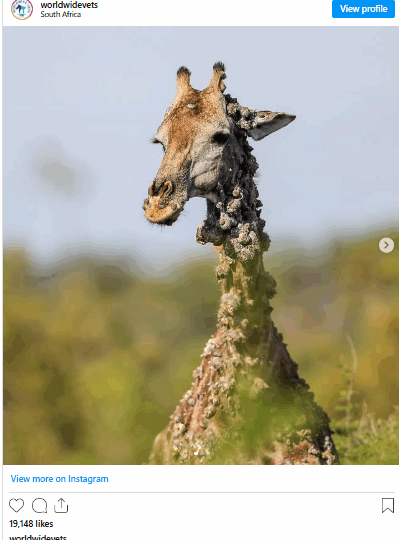
Dr. Campling explained that while the giraffe’s skin lesions are visually striking, they typically do not cause serious harm to the animal. In most cases, affected giraffes can continue to feed, move, and interact normally within their herd. The lesions may occasionally become irritated if rubbed against trees or during mating behaviors, but they rarely impair the giraffe’s overall health.
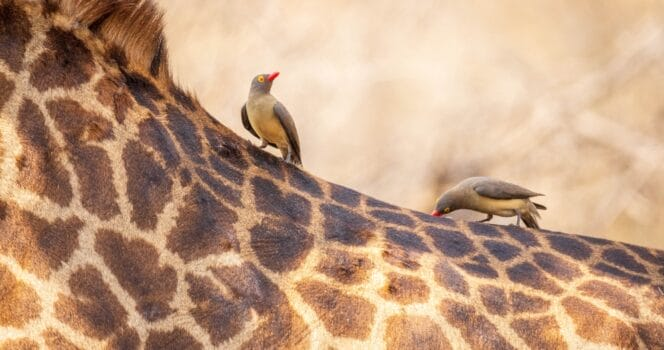
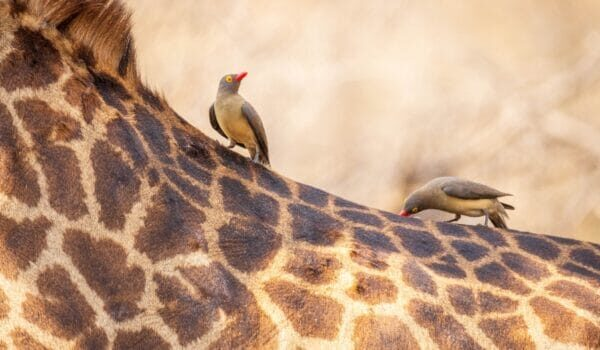
She also highlighted that Bovine Papillomavirus (BPV) in wildlife is primarily a localized skin infection, rather than a systemic illness. Unlike some viral diseases that can spread rapidly through populations, BPV tends to affect individual animals, often due to specific exposure events—such as contact with a vector like oxpecker birds, which feed on ticks and other parasites.
“Although this giraffe has noticeable growths, her behavior—grazing, walking, and interacting with her environment—indicates she is otherwise healthy,” Dr. Campling noted. “It’s a fascinating example of how wildlife can carry viral infections without necessarily being debilitated, and it reminds us of the complex interactions between species in an ecosystem.”
Her analysis reassured both the Nortjes and the public, turning concern into curiosity and highlighting the value of documenting unusual wildlife conditions for research, monitoring, and conservation purposes
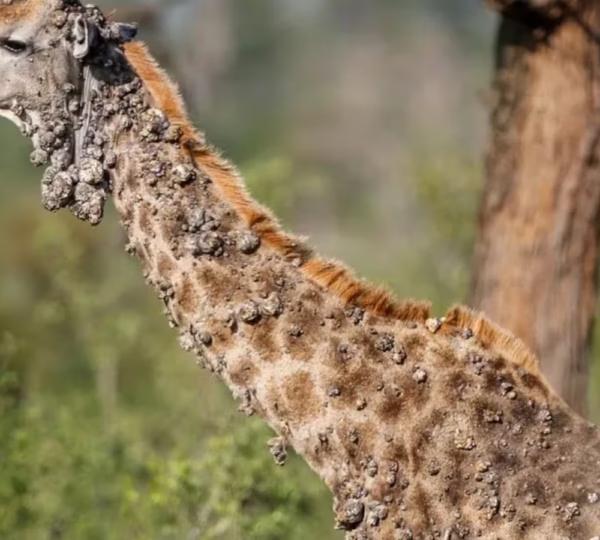
Dr. Campling emphasized that careful observation and documentation are crucial in understanding wildlife diseases like BPV. Even when a condition is non-fatal, such monitoring allows conservationists to track the spread of infections, study the impact on affected animals, and gain insights into ecosystem health.
“By keeping an eye on individual animals, we can notice patterns that might otherwise go undetected,” she said. “This giraffe’s papillomas, for example, provide valuable information about viral presence in the environment and the resilience of wildlife species.”
The Nortjes’ photographs, amplified by social media, demonstrated how citizen observation can complement formal monitoring programs. Public engagement not only raises awareness but can also lead to practical conservation benefits, such as prompting park authorities to pay closer attention to unique cases.
Ultimately, the giraffe’s story is a testament to nature’s adaptability and endurance, reminding the public that even visible physical challenges do not always impede an animal’s ability to thrive. It also underscores the importance of protecting habitats where such interactions—between species, viruses, and ecosystems—can be studied and preserved.
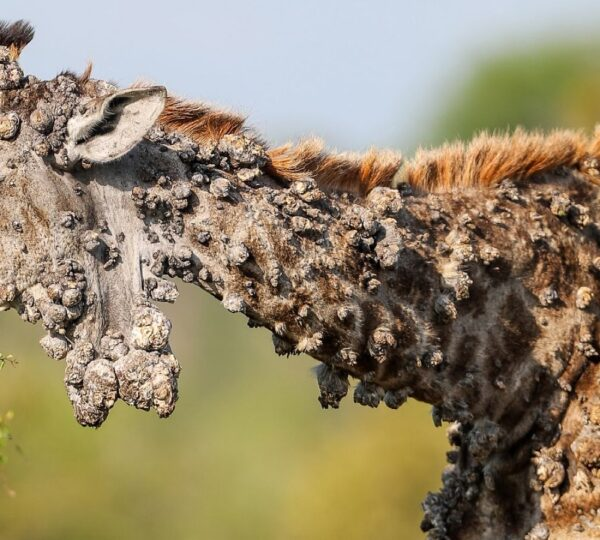
Dr. Campling highlighted that vigilant monitoring paired with minimal intervention is often the best approach for wildlife health. “Intervening unnecessarily can disrupt natural behaviors, stress the animal, and even create unintended consequences,” she said. “In many cases, simply observing and documenting provides critical insights without altering the animal’s ability to thrive in its habitat.”
For the Nortjes, witnessing the giraffe’s calm perseverance underscored the delicate balance between resilience and vulnerability in the wild. Marius noted, “Seeing her graze peacefully despite those growths was humbling. It reminded us that nature is full of surprises and lessons in patience, endurance, and coexistence.”
Michelle added that the experience deepened their appreciation for Kruger National Park’s conservation efforts, emphasizing that the park’s monitoring programs play a vital role in ensuring both animal welfare and the integrity of the ecosystem.
Ultimately, the encounter serves as a microcosm of wildlife conservation: careful observation, respect for natural processes, and strategic intervention when truly needed. By documenting rare conditions like BPV in giraffes, researchers and visitors alike contribute to a broader understanding of ecological health and the resilience of species in the wild.
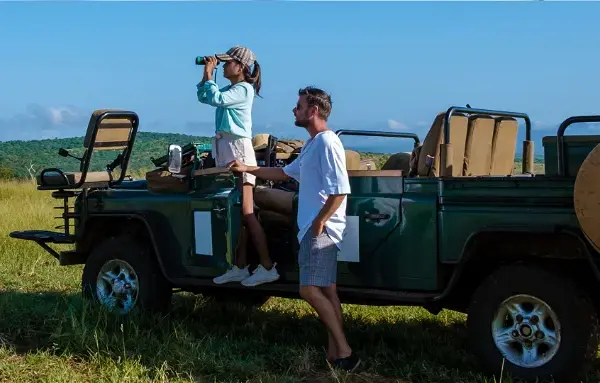
The Nortjes’ experience at Kruger National Park illustrates how wildlife encounters can intertwine with personal milestones, turning a 40th wedding anniversary into a moment of shared awe and reflection. Beyond celebrating their own journey together, they bore witness to the resilience of a giraffe facing an unusual health challenge, highlighting the intricate balance of nature.
Dr. Gemma Campling reinforced the scientific significance of such encounters, noting that observing and documenting rare conditions like Bovine Papillomavirus not only informs conservation efforts but also deepens understanding of ecosystem dynamics. “Monitoring allows us to see how animals adapt, survive, and interact with their environment,” she said, emphasizing that intervention is not always necessary—sometimes the act of watching and recording is itself invaluable.
For wildlife photographers like Marius, images serve a dual purpose: they capture moments of natural beauty and simultaneously contribute to scientific awareness. By sharing their photographs online, the Nortjes helped connect researchers, conservationists, and the public, sparking dialogue about wildlife health and preservation.
Ultimately, this story intertwines themes of resilience, patience, and observation—lessons applicable both in nature and in life. The giraffe’s calm endurance despite her condition, coupled with the couple’s attentive presence, underscores the profound insights that arise when humans engage mindfully with the wild.
As Marius reflected, “Sometimes the most unforgettable lessons aren’t planned—they find you in the quiet moments of the wild.” For the Nortjes, this encounter became a lasting testament to their love, their curiosity, and their respect for the intricate, often surprising, beauty of the natural world.