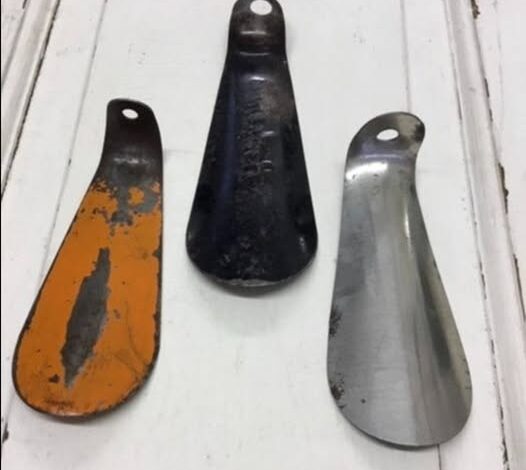
A shoe horn is a simple yet highly useful tool designed to help people slide their feet into shoes without damaging the heel area. By guiding the foot smoothly into place, it protects the structure of the shoe and makes putting footwear on easier and more comfortable.
Although it appears basic, the shoe horn has a long and interesting history that dates back to the 15th century. Early versions were carefully crafted by artisans using natural materials such as horn, wood, and bone. These materials were chosen because they were strong yet smooth enough to guide the foot without harming delicate leather footwear.
Animal horn was particularly popular in early designs because of its natural flexibility and durability. Craftsmen would shape and polish it to create a smooth surface that allowed the foot to slide into the shoe without friction. Wooden versions were also common and were often finely sanded and polished to combine practicality with simple beauty.
As manufacturing techniques improved during the Industrial Revolution, new materials and production methods emerged. Metals such as brass, steel, and nickel began to be used, producing stronger and more durable shoe horns suitable for everyday use.
During the 19th century, more decorative versions appeared as well. Some shoe horns were made from silver or other valuable metals and featured intricate engravings or decorative handles. For wealthier individuals, these items served not only as practical tools but also as symbols of refinement and social status.
With the arrival of the 20th century, synthetic materials transformed the production of many everyday objects, including shoe horns. Plastic versions became widely available because they were lightweight, inexpensive, and easy to mass-produce. This made the tool accessible to a much broader range of people.
Despite the changes in materials, the primary function of the shoe horn has remained the same. By guiding the heel into the shoe, it prevents the back of the shoe from bending or collapsing. This helps maintain the shoe’s structure and significantly extends its lifespan.
This function is especially important for formal shoes, boots, and other types of footwear that have stiff openings. Without a shoe horn, forcing the foot into the shoe can damage the heel area and weaken the overall structure.
Over time, different styles of shoe horns have been developed to meet various needs. Long-handled versions allow users to put on shoes while standing, reducing strain on the back and knees. These are especially helpful for older individuals or people with limited mobility.
Short, handheld versions are compact and easy to carry, making them convenient for travel. Their small size allows users to keep them in a bag or suitcase while still enjoying the benefits of the tool.
Modern designs sometimes include ergonomic handles or textured grips to improve comfort and control. These innovations show how the shoe horn has evolved while still maintaining its basic purpose.
Antique shoe horns are often admired for their craftsmanship. Many feature detailed carvings, decorative handles, or materials such as ivory, silver, or polished horn. Because of this, collectors often value them as historical artifacts that represent the artistry of earlier periods.
The wide variety of shapes, materials, and decorative styles reflects cultural preferences and technological developments across different regions and historical eras. In some European countries, beautifully designed shoe horns were even given as gifts, symbolizing elegance and attention to personal appearance.
Beyond their aesthetic qualities, shoe horns also played a role in maintaining hygiene and preserving footwear. By reducing friction when putting on shoes, they helped protect leather and prevent unnecessary wear.
The development of shoe horns closely mirrors the evolution of footwear itself. As shoes became more structured and rigid, especially during the 18th and 19th centuries, tools that helped protect their shape became increasingly valuable.
Today, shoe horns remain common household items. Modern manufacturing techniques allow them to be produced using durable plastics or lightweight alloys that resist bending or breaking.
Long-handled versions continue to be particularly useful for elderly individuals or those recovering from injuries, as they allow people to put on shoes independently without bending down.
Collectors and museums also recognize the historical value of antique shoe horns. Many examples showcase intricate designs and materials that reveal the artistic traditions and technological capabilities of their time.
Even in modern fashion-conscious societies, the shoe horn remains practical. For people who wear formal shoes, loafers, or tight-fitting footwear, it helps preserve the shape of the shoe while making it easier to put on.
Contemporary designs often feature curved shapes that follow the natural contour of the foot, further improving comfort and reducing effort. This shows how the tool continues to adapt to modern needs.
Shoe horns are also used in professional environments such as luxury retail stores and hotels, where they help customers try on shoes comfortably and maintain the quality of the footwear.
Some high-end brands even produce custom-designed shoe horns that match their brand identity, combining elegance with practical function.
Innovations in materials have also contributed to the tool’s durability. Lightweight metals and strong plastics ensure that modern shoe horns are resistant to bending, warping, or breaking.
Travel-friendly versions may fold or extend telescopically, allowing users to carry them easily in luggage or briefcases.
In certain cultures, shoe horns have even held symbolic meaning. Giving one as a gift was sometimes seen as a gesture wishing comfort, prosperity, and attention to detail in daily life.
From an ergonomic perspective, the tool also offers health benefits. It reduces strain on the feet, ankles, knees, and back when putting on shoes, which can be especially helpful for individuals with arthritis or mobility issues.
Although plastic versions dominate today’s market, traditional materials such as horn, wood, and metal are still appreciated for their craftsmanship and aesthetic appeal.
The story of the shoe horn reflects broader changes in society, including advances in manufacturing, shifts in fashion, and the blending of practicality with design.
Even children’s shoes sometimes use shoe horns to help young wearers learn good habits for protecting their footwear.
Shoemakers and fashion experts frequently emphasize that using a shoe horn helps maintain the shape and quality of shoes, especially expensive or delicate pairs.
In many ways, the shoe horn serves as a small but meaningful cultural artifact. It reveals how everyday objects can reflect history, craftsmanship, and social values.
Ultimately, the shoe horn demonstrates how a simple tool can remain relevant for centuries. From handcrafted designs made of horn and wood to modern ergonomic versions, it continues to provide convenience while preserving footwear and reflecting a long tradition of practical innovation.