Did You Know That Toads Come to Your House When the Environment Around You Changes in Subtle but Powerful Ways — Exploring the Real Reasons Behind Their Appearance, the Natural Signals They Follow, the Myths People Believe, and What It Truly Means When These Quiet Creatures Choose Your Space

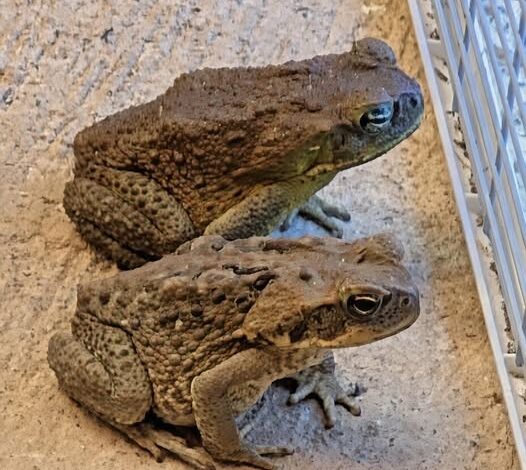
There are moments in everyday life when the boundary between the natural world and our personal space feels thinner than usual. One of those moments happens when you notice a toad quietly settled near your home—resting under a plant, tucked into a damp corner, or appearing almost mysteriously after rainfall. It can feel unexpected, even meaningful, as if the animal’s presence carries some hidden message. But while it may seem symbolic, the truth behind it is grounded in something far more practical—and, in its own way, just as fascinating.
Toads don’t arrive randomly. Their presence is almost always a response to the environment around them. These small amphibians are highly sensitive to conditions like moisture, temperature, and food availability. If one appears near your home, it’s because your surroundings are offering something essential for its survival. In other words, your space has quietly become part of a living ecosystem that supports more than just human life.
Unlike frogs, which tend to stay close to water, toads are more adaptable to land environments. However, they still rely on damp conditions to keep their skin healthy. That’s why they’re most often seen after rain or during humid evenings. If your yard has shaded areas, soft soil, or places that retain moisture—like gardens, mulch beds, or even the edges of walkways—it creates an ideal shelter for them. These spots allow toads to stay cool during the day and avoid drying out, which is critical for their survival.
Food is another major reason they show up. Toads are natural insect hunters, feeding on creatures like ants, beetles, flies, and mosquitoes. If your home attracts insects—and most do, especially around outdoor lights—then it also attracts the animals that feed on them. A simple porch light can unintentionally create a small food chain: light draws insects, and insects draw toads. That’s why they’re often spotted near doorways, patios, or garages once the sun goes down. They’re not interested in the house itself, but in the steady supply of food nearby.
Water, even in small amounts, can also play a role. Toads don’t need large ponds to survive. A dripping hose, a shallow puddle, or even a pet’s water bowl left outside can be enough to draw them in. These small sources of moisture, combined with shelter and food, make your yard feel safe and sustainable from a toad’s perspective. Their presence often signals that your environment has a kind of quiet balance—one that supports delicate forms of life.
Seasonal patterns also influence when you’re likely to see them. Warmer months, especially spring and summer, bring increased activity. Rain softens the ground and raises humidity levels, making it easier for toads to move around and find shelter. In some cases, they may even be searching for breeding areas if water is nearby. What feels like a random visit is often part of a much larger natural cycle happening all around you.
Over time, many cultures have attached symbolic meanings to toads—associating them with transformation, renewal, or even luck. These interpretations come from how and when they appear: quietly, unexpectedly, and often in moments of environmental change. While these meanings can feel personal or meaningful, they don’t explain the actual reason for a toad’s presence. Still, it’s understandable why people pause when they see one. Encounters like this invite reflection, even if the cause is purely natural.
It’s also important to know that toads are generally harmless and, in many ways, beneficial. They help control insect populations and don’t seek interaction with humans. If approached, they usually stay still or move away slowly. Some species have mild toxins on their skin as a defense, which can be irritating if handled, but they pose no real threat when left alone. In fact, gardeners often welcome them as quiet allies in maintaining a healthy outdoor space.
Another interesting detail is that toads tend to return to places where they’ve found good conditions. If one appears near your home, it may come back again, especially if the environment remains the same. They rely on consistency—safe shelter, reliable food, and moisture. This can make their presence feel intentional, almost as if they’ve chosen your home. In reality, they’re simply responding to what works.
In the end, a toad showing up near your house isn’t a sign of anything mysterious or alarming. It’s a small but meaningful reflection of the environment you’ve created—whether intentionally or not. It shows that your space supports life in subtle ways, forming part of a larger, interconnected system. What seems like a simple encounter is actually a glimpse into how closely our lives are tied to the natural world.
And sometimes, all it takes is noticing something small—like a quiet toad in the corner of your yard—to realize just how much is happening around us, even when we’re not looking.