ATTENTION to These First Signs of Actinic Keratosis — The Subtle Skin Changes That Can Signal the Earliest Stage of Skin Cancer and Why Noticing Them in Time Could Save Your Life, Especially If You Have Years of Sun Exposure or Aging Skin

Our skin reflects the story of our lives—sun exposure, aging, and everyday experiences all leave their mark. Most changes, like freckles or fine lines, are harmless. But sometimes, what looks like a simple dry patch or rough spot may signal something more serious beneath the surface. Actinic keratosis is one such condition: a common precancerous lesion caused by long-term sun damage. It develops slowly, often without pain, making it easy to overlook—yet it represents one of the earliest visible stages of skin cancer.
For many people, especially those over the age of fifty, recognizing these subtle signs can make a critical difference. Identifying actinic keratosis early can prevent it from progressing into squamous cell carcinoma, a widespread form of skin cancer. In this way, early detection becomes not just treatment—but prevention.
The Impact of Sun Exposure
Sunlight plays an essential role in our health, but it also carries ultraviolet (UV) radiation that can damage skin cells over time. Years of exposure—whether through outdoor work, recreation, or daily routines—can lead to cumulative DNA damage. While the body repairs much of this damage, some altered cells remain and begin to grow abnormally, forming actinic keratoses.
These lesions commonly appear in areas that receive the most sun, including:
- The face and scalp
- Hands and forearms
- Ears and neck
- Lips, especially in those frequently outdoors
In early stages, they may feel like a rough patch—almost like sandpaper—before becoming clearly visible.
Recognizing the Signs
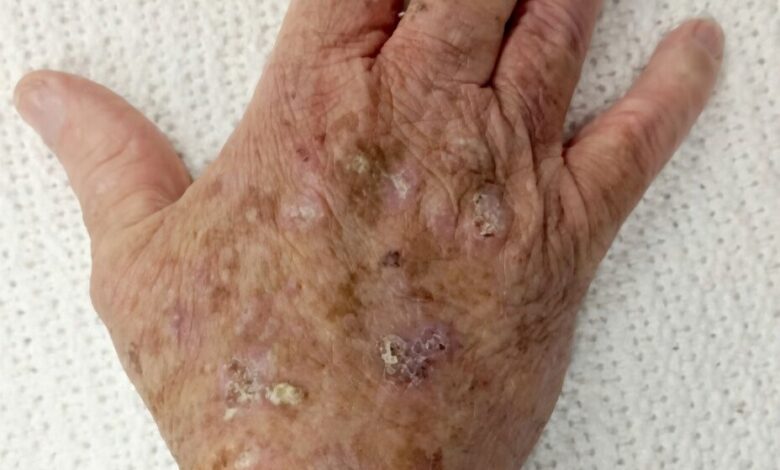
Actinic keratoses vary in appearance, but common features include:
- Small, rough, or scaly patches
- Colors ranging from pink and red to brown or flesh-toned
- A persistent texture that doesn’t improve with moisturizer
- Occasional itching, tenderness, or mild burning
They may seem minor, but their persistence is key. Unlike normal dry skin, they don’t heal on their own.
Who Is Most at Risk
Certain factors increase the likelihood of developing actinic keratosis:
- Fair skin that burns easily
- Age over 50
- Frequent or long-term sun exposure
- Living in sunny or high-altitude regions
- Weakened immune system
For many individuals, these lesions accumulate over time, often appearing alongside other signs of sun damage.
Why Early Treatment Matters
At a cellular level, actinic keratosis begins with UV-induced mutations. If left untreated, some lesions may develop into squamous cell carcinoma. While the risk for each individual lesion is relatively small, the overall risk increases when multiple lesions are present.
The good news is that early-stage actinic keratosis is highly treatable—often with simple outpatient procedures.
When to See a Doctor
You should seek evaluation if you notice:
- A patch that doesn’t heal after several weeks
- A spot that flakes, bleeds, or keeps returning
- A rough area that feels different from surrounding skin
- Any lesion that changes in size, texture, or color
Dermatologists can quickly assess these areas, sometimes using magnification tools or performing a small biopsy if needed.
Treatment Options
Depending on the case, treatment may include:
- Freezing the lesion (cryotherapy)
- Prescription creams that target abnormal cells
- Light-based therapies
- Minor procedures to remove thicker growths
Most treatments are quick and effective, especially when lesions are caught early.
Prevention Going Forward
Once actinic keratosis appears, ongoing skin protection becomes essential:
- Use sunscreen daily (SPF 30 or higher)
- Wear protective clothing and hats
- Avoid peak sun hours
- Skip tanning beds
- Schedule regular skin exams
Healthy habits can significantly reduce further damage and lower future risk.
A Message From Your Skin
Actinic keratosis is not just a condition—it’s a warning. It reflects years of sun exposure and gives you a chance to act before something more serious develops. While the word “precancerous” can feel alarming, it also represents an opportunity for early intervention and control.
Listening to these early signs allows you to take charge of your health. Your skin often speaks quietly—but when you pay attention, it gives you the chance to protect your future.