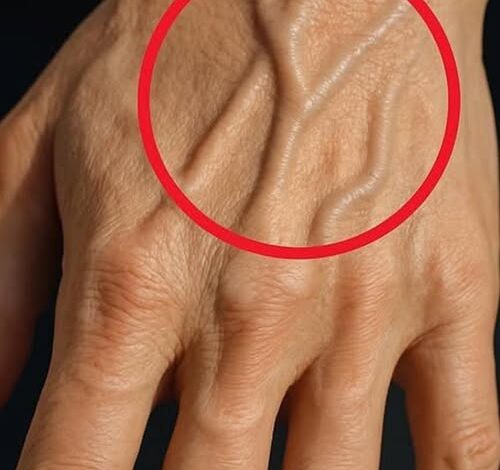
Have you ever looked at the back of your hands and noticed bright blue veins standing out more than usual? It’s a common experience, and many people immediately wonder whether it’s completely normal or something that could point to a deeper health concern. The truth is, in most cases it’s harmless—but sometimes it can signal something worth paying attention to.
Those visible blue veins aren’t random at all. They’re part of your body’s superficial vein system, which sits just beneath the surface of your skin. Under certain conditions, these veins can become much more noticeable, sometimes appearing larger or more prominent than before.
One of the biggest reasons veins become more visible is simply your skin type. People with lighter or thinner skin tend to see their veins more clearly because there’s less tissue covering them. As we age, this effect becomes even more noticeable. The skin naturally loses thickness and elasticity over time, making veins stand out more than they did in younger years.
Body composition also plays a major role. If you have a low body fat percentage, there’s less cushioning between your skin and your veins, which makes them easier to see. This is why athletes and people who regularly lift weights often have veins that appear more pronounced. During exercise, muscles expand and push veins closer to the surface, creating that “popping” effect that many associate with strength and fitness.
Pregnancy is another situation where veins may become more visible. As the body increases blood volume and circulation to support the developing baby, veins can enlarge and become easier to notice, especially in the hands and arms.
However, there are times when visible veins might indicate something more than just normal changes. In some cases, they can be linked to varicose veins—veins that have become enlarged, twisted, or weakened. While varicose veins are more commonly associated with the legs, they can also appear in the hands. They may look thicker, more raised, and sometimes have a rope-like or uneven appearance.
Although varicose veins are often harmless, they can occasionally cause discomfort, aching, or a feeling of heaviness. More importantly, changes in your veins can sometimes be connected to circulation issues.
It’s important to pay attention to warning signs. If your veins suddenly become swollen, painful, or tender, or if you notice redness, warmth, or swelling around them, it could point to a more serious condition. Issues such as blood clots, including deep vein thrombosis (DVT), require immediate medical attention because they can lead to dangerous complications like pulmonary embolism.
While you can’t always prevent veins from becoming more visible, there are several ways to support healthy circulation and reduce potential risks:
- Stay physically active to keep blood flowing properly
- Maintain a healthy weight to reduce pressure on your veins
- Avoid sitting or standing in one position for too long
- Quit smoking, as it negatively affects blood vessels
- Wear comfortable, non-restrictive clothing
If you’re concerned about changes in your veins or experience discomfort, it’s always best to consult a healthcare professional. Treatments for vein issues can range from simple lifestyle adjustments to medical options such as compression therapy or minor procedures.
In the end, visible veins are often just a natural part of how your body works. But staying aware of changes—and knowing when to take them seriously—can make all the difference in protecting your overall health.