Body transformation and perceptions of thinness have long been delicate subjects, but with the rise of social media, they have become far more visible and influential, shaping how people view themselves and their health.
Images of extremely thin bodies often trigger mixed responses—some people express concern, while others mistakenly see them as desirable. This confusion can blur the understanding of what a healthy and functional body truly looks like.
In most cases, extreme thinness is not the result of a balanced or healthy lifestyle. Instead, it may signal serious underlying conditions such as eating disorders, which require professional care, structured treatment, and ongoing support.
Conditions like anorexia nervosa involve severe food restriction, an intense fear of weight gain, and a distorted perception of body image. Over time, these issues can lead to significant physical and psychological harm.
The human body depends on a steady intake of energy and essential nutrients to function properly. When deprived of calories, vitamins, and minerals, vital systems—including cardiovascular, hormonal, and digestive functions—can become disrupted.
One of the most noticeable effects of extreme thinness is the loss of muscle mass, which reduces strength and limits the body’s ability to perform daily tasks safely and effectively.
Low levels of body fat can also disrupt hormone production, leading to irregular menstrual cycles in women and broader metabolic complications in both men and women over time.
Mental health is equally affected. Individuals experiencing extreme thinness often struggle with anxiety, depression, and social withdrawal, making recovery more challenging.
Pressure to meet unrealistic beauty standards frequently begins during adolescence, when young people are exposed to idealized body images that do not reflect reality and can distort self-perception.
Social media intensifies this issue by presenting heavily edited and filtered content, creating unrealistic expectations that can harm self-esteem and body image.
As a result, many individuals compare themselves to these artificial standards, striving to achieve appearances that are often unattainable and potentially harmful.
It is important to recognize that health cannot be defined by weight alone. True well-being depends on a combination of proper nutrition, regular physical activity, and mental health.
Experts advocate for balanced eating habits that include a variety of nutrient-rich foods to support the body’s needs and overall development.
Physical activity should also be moderate and suited to individual capabilities, avoiding extremes that could lead to injury or long-term damage.
Adequate sleep plays a crucial role as well, supporting recovery, cognitive performance, hormone balance, and overall bodily functions.
Equally important is social support. Encouragement from family, friends, and communities can help individuals manage challenges related to body image and health more effectively.
Early education about nutrition, exercise, and mental health is essential in helping young people develop a healthy relationship with their bodies and food.
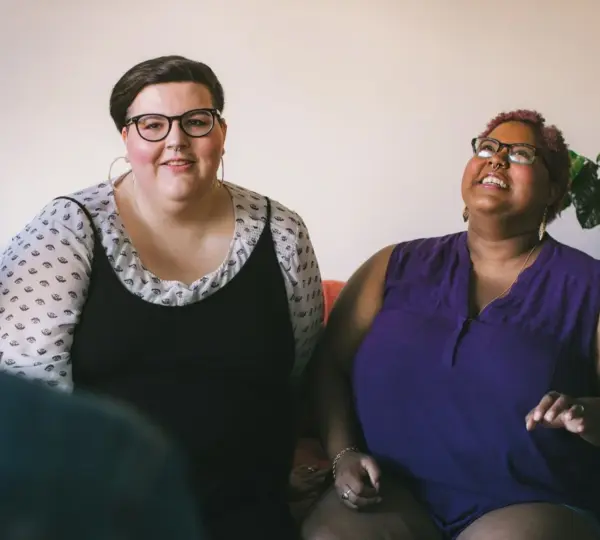
In recent years, awareness campaigns promoting body diversity and self-acceptance have begun to challenge narrow beauty standards that have dominated media for decades.
However, shifting societal attitudes takes time and requires consistent effort from individuals, educators, policymakers, and media platforms.
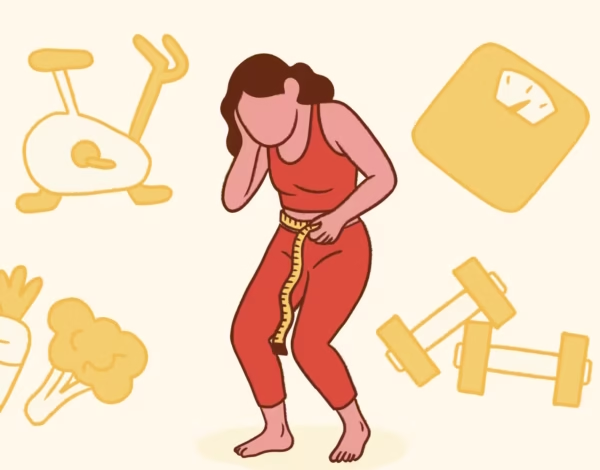
Dramatic body transformations are often celebrated as achievements, but it is important to assess whether such changes are truly healthy or potentially harmful.
Rapid weight loss, for example, can be a warning sign that should not be ignored and may require medical evaluation.
Healthcare professionals strongly recommend consulting doctors, dietitians, or qualified specialists before making major lifestyle changes to ensure safety and prevent long-term complications.
Regular health monitoring—such as medical check-ups and blood tests—can help identify potential issues early and maintain an accurate picture of overall well-being.
A sustainable approach to health involves setting realistic goals, making gradual changes, and avoiding extreme diets or intense routines that promise quick results but carry risks.
True well-being includes physical, emotional, and psychological health, focusing on energy, mood, and quality of life rather than appearance alone.
If someone experiences ongoing fatigue, weakness, or unusual symptoms, seeking professional help promptly is essential.
The media has a powerful role in shaping perceptions, and promoting realistic, diverse body representations can reduce pressure and improve self-confidence.
Developing critical thinking skills is equally important, allowing individuals to question and interpret the content they consume instead of accepting it as reality.
Understanding the use of filters, editing, and image manipulation can help people maintain a healthier perspective and avoid harmful comparisons.
Health should never be treated as a competition. Each person’s journey is unique and should reflect their individual needs, pace, and biological differences.
Every body is different and requires personalized care and lifestyle choices to achieve long-term health, mental clarity, and resilience.
Extreme thinness should not be idealized, as it often carries serious health risks. Awareness of these consequences is essential for promoting responsible public health messaging.
A truly healthy body is one that functions efficiently, provides sufficient energy, and supports active participation in daily life without compromising well-being.
Promoting holistic wellness should be a shared goal, emphasizing informed decisions, self-care, and mental strength over unrealistic beauty standards.
This approach fosters a healthier society where individuals feel supported, confident, and empowered to care for their bodies without judgment.
Conversations about body transformation can serve as valuable educational opportunities, encouraging healthier choices related to nutrition, fitness, and mental well-being for people of all ages.