Doctors Reveal What Really Happens To Your Body When You Eat Beets Daily — The Unexpected Health Benefits, Blood Pressure Secrets, and Anti-Inflammatory Effects That Make This Vibrant Root One of Nature’s Most Powerful (And Overlooked) Superfoods

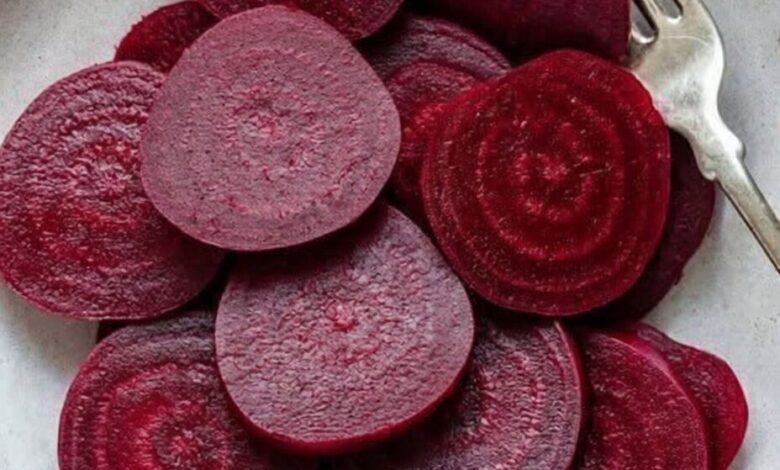
Beets have quietly undergone a transformation in how they’re viewed. Once dismissed as an overly earthy, old-fashioned vegetable, they’ve reemerged as one of the most respected foods in modern nutrition. Today, many doctors and dietitians consider them a nutritional powerhouse—simple in appearance, but remarkably complex in what they can do inside the body. Beneath their deep crimson color lies a dense concentration of vitamins, minerals, and plant compounds that work together to support heart health, boost energy, aid detoxification, and even protect brain function over time.
When you eat beets—whether roasted, juiced, pickled, or blended into a smoothie—your body begins responding almost immediately. Within a few hours, natural nitrates in beets are converted into nitric oxide, a compound that helps relax and widen blood vessels. This improves circulation and allows blood to flow more efficiently throughout the body. For people dealing with high blood pressure, this effect can be especially meaningful. Some studies suggest that even a single serving of beet juice can lead to noticeable reductions in blood pressure, making it one of the most effective food-based approaches to supporting cardiovascular health.
But the benefits don’t stop at the heart. Beets are rich in essential nutrients like folate, potassium, manganese, and vitamin C, all of which play important roles in maintaining overall health. Folate supports the formation of healthy red blood cells, potassium helps regulate fluid balance and nerve signals, and vitamin C strengthens the immune system. Together, these nutrients help the body function more efficiently at a cellular level.
One of the most unique components in beets is a group of compounds called betalains. These are responsible for the vegetable’s vibrant color, but their role goes far beyond appearance. Betalains act as powerful antioxidants and anti-inflammatory agents, helping to neutralize harmful free radicals and reduce oxidative stress in the body. Over time, this can contribute to reduced inflammation, improved liver function, and potentially even a lower risk of certain chronic diseases.
Athletes and fitness enthusiasts have also taken notice of beets for a different reason: endurance. Because nitric oxide improves oxygen delivery to muscles, it can enhance physical performance. Many endurance athletes report that consuming beet juice before exercise allows them to train longer and with less fatigue. Scientific studies support this, showing measurable improvements in stamina and efficiency during physical activity.
Digestive health is another area where beets offer quiet but consistent support. Their fiber content—both soluble and insoluble—helps regulate digestion, supports regular bowel movements, and feeds beneficial gut bacteria. A well-functioning digestive system doesn’t just affect the stomach; it influences energy levels, immune response, and even mood. Unlike some high-fiber foods that can feel heavy or irritating, cooked beets are generally gentle and easy to incorporate into a balanced diet.
The liver, one of the body’s most vital organs, also benefits from regular beet consumption. Compounds like betaine and natural pectins help support the liver’s detoxification processes, assisting in the breakdown and removal of toxins. While beets aren’t a cure-all, they can act as a natural support system for maintaining healthy liver function over time.
Perhaps one of the most intriguing effects of beets is their impact on the brain. Improved blood flow doesn’t just benefit the heart—it extends to the brain as well. Increased oxygen delivery can support cognitive function, sharpen focus, and potentially help protect against age-related decline. Some researchers believe that regular consumption of nitrate-rich foods like beets may play a role in maintaining brain health as we age.
There are also visible benefits. The antioxidants in beets help combat inflammation beneath the skin, which can contribute to a clearer complexion and a natural glow. Meanwhile, the iron and folate content supports better oxygen transport throughout the body, often leading to improved energy levels and reduced fatigue. Many people who add beets to their routine report feeling more alert and balanced after just a few weeks.
Of course, moderation matters. Beets are high in oxalates, so individuals prone to kidney stones should be mindful of their intake. Their natural ability to lower blood pressure also means that people with already low levels should consume them carefully. And the harmless phenomenon known as beeturia—where urine or stool temporarily takes on a reddish tint—is completely normal and nothing to be concerned about.
For most people, though, the conclusion is simple: adding beets to your diet is an easy and effective way to support multiple aspects of health at once. Whether you enjoy them roasted with olive oil, shredded into salads, blended into juices, or incorporated into meals, even a few servings a week can make a noticeable difference.
Nutrition experts often emphasize that no single food is a miracle solution—but some come close in terms of versatility and impact. Beets fall into that category. They don’t rely on hype or complexity. They work quietly, steadily, and effectively, supporting the body from the inside out.
So the next time you see that deep red root in the produce aisle, it’s worth a second look. What might seem simple on the outside holds a remarkable combination of natural compounds designed to help your body function at its best.
Beets may leave a stain on your hands or your cutting board—but inside your body, they’re doing something far more meaningful: restoring balance, improving function, and supporting long-term health in ways you can actually feel.