In France, the price of a pack of cigarettes isn’t left to chance or competition—it’s the outcome of a tightly controlled system where the state plays the final word. Tobacco companies may suggest retail prices, but approval rests with customs authorities and the government. Once a price is set, it becomes uniform across the entire country: every tobacconist sells at the exact same rate, with no discounts, no promotional offers, and no room for price wars.
The breakdown of that price tells its own story. Roughly 75–80% of what smokers pay goes straight to taxes, making tobacco one of the most heavily taxed consumer goods in the country. Manufacturers receive only about 15% of the final price, while tobacconists earn a relatively small margin of around 8–10%. This structure reflects a deliberate public policy: tobacco is not treated like an ordinary product, but as a controlled substance with significant health consequences.
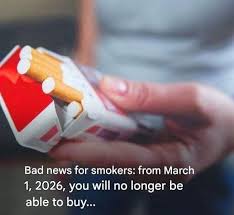
As of January 1, 2026, another price hike pushed most cigarette packs into the €12.50–€13 range, effectively squeezing out the last remaining “budget” options. Buying in bulk offers little relief—cartons now commonly cost between €250 and €390. Even alternatives like rolling tobacco are no longer cheap, with a 30-gram pouch climbing to nearly €19. The message is clear: affordability is being systematically reduced.
Behind these rising costs lies a long-term public health strategy. Tobacco use remains a major issue in France, contributing to approximately 75,000 deaths each year. To address this, the government has gone beyond one-time tax increases. Since 2023, tobacco taxes have been indexed to inflation, ensuring that prices continue to rise annually. If this trend continues, cigarette packs could approach €20 within the next decade.
However, this aggressive pricing policy has created side effects. In neighboring countries, cigarettes can cost significantly less—sometimes half the price—encouraging cross-border shopping and fueling illicit trade. For some smokers, the high domestic prices make traveling abroad or buying from informal markets an attractive alternative, complicating enforcement and reducing tax revenue.
At the same time, restrictions on smoking itself have become increasingly strict. Lighting up is now banned in most enclosed public spaces, and the rules extend further—to parks, beaches, bus shelters, and areas near schools. Violations can result in fines, whether for smoking or vaping where it’s prohibited, or even for discarding cigarette butts improperly.
Taken together, these measures reflect a broader cultural shift. Smoking in France is no longer just discouraged—it is being actively phased out of everyday life. What was once a common social habit is steadily becoming an expensive, regulated, and socially isolated behavior, shaped by policy as much as by personal choice.