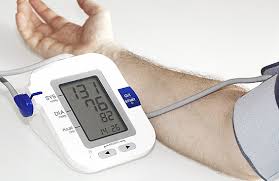
For years, 120/80 mm Hg was presented as the universal benchmark—the reassuring number that signaled everything was “just right.” It was simple, easy to remember, and widely accepted as the definition of healthy blood pressure. But as research has deepened and long-term studies have tracked real outcomes, that certainty has started to unravel.
Major cardiovascular organizations now acknowledge that risk doesn’t suddenly appear once you cross a fixed line. Instead, it builds gradually, often beginning well below what was once labeled as “high.” A reading that might have been dismissed in the past as slightly elevated—nothing to worry about—can now be seen as an early warning sign, especially when combined with other factors.
What’s replacing the old one-size-fits-all model is a more individualized approach. Doctors are looking beyond the numbers alone and considering the full picture: age, lifestyle, family history, existing conditions like diabetes or kidney disease, and overall cardiovascular risk. In this context, the same blood pressure reading can mean very different things for different people.
For some, especially those at higher risk, targets have become more conservative. Keeping blood pressure below 130/80 is often recommended to reduce the chances of heart attack, stroke, and long-term organ damage. What used to be “borderline” may now prompt closer monitoring, changes in diet and activity, or even medication—not because medicine has become stricter, but because it has become more precise.
At the same time, this shift highlights an important reality: numbers don’t exist in isolation. A single reading doesn’t tell the whole story, and labels like “normal” can be misleading if they’re not interpreted in context.
The takeaway isn’t to panic over every fluctuation, but to be informed and engaged. Instead of aiming for a generic standard, it’s worth asking a more meaningful question: what is the right range for me? That answer—shaped by your unique health profile—is far more valuable than any universal number ever could be.