Huntsville Space Center Introduces Innovative Women’s Urinals to Improve Hygiene, Efficiency, and Inclusivity in Public Restrooms, Reflecting Modern Design Advances Aimed at Reducing Wait Times, Conserving Water, and Supporting Female Astronaut Training Needs While Challenging Traditional Bathroom Infrastructure Standards

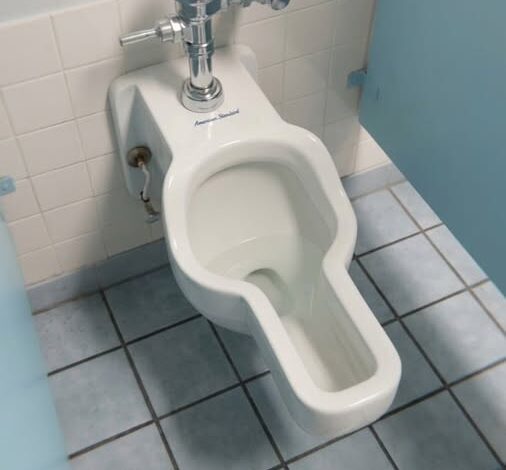
In high-performance environments like space centers—where precision, efficiency, and resource management are critical—innovation often extends into the most unexpected places. Even restrooms are reimagined to better support the demands of the people who rely on them. In this context, female urinals are not novelty items but practical solutions designed to improve flow, hygiene, and usability in shared facilities.
These fixtures offer an alternative that allows for standing or semi-standing use, helping reduce wait times and minimize contact with surfaces—an important consideration in settings where time is limited and cleanliness is essential. By streamlining how facilities are used, they subtly shift the rhythm of daily routines, making them more efficient without sacrificing comfort.
However, their success depends heavily on thoughtful design. Factors like height, angle, splash control, and privacy must be carefully considered to ensure they are functional and comfortable. Without proper ergonomics, such innovations risk becoming symbolic rather than truly useful. When designed well, though, they can integrate seamlessly into existing spaces and serve a wide range of users.
Beyond convenience, there are also environmental benefits. Female urinals typically use less water than traditional toilets, which can lead to significant savings in large, high-traffic facilities. In places where sustainability is a priority, this reduction in water usage becomes an important advantage.
Still, widespread adoption is not just a matter of engineering—it also involves cultural acceptance. Introducing new systems requires clear communication, user education, and a respectful approach to change. People need time and understanding to adapt to unfamiliar designs, especially in spaces tied to personal comfort and privacy.
Ultimately, female urinals represent a quiet but meaningful shift in how we think about infrastructure. They reflect a broader idea: that innovation doesn’t always have to be dramatic to be impactful. Sometimes, it begins by rethinking the most ordinary parts of everyday life—making them more inclusive, efficient, and sustainable for everyone.