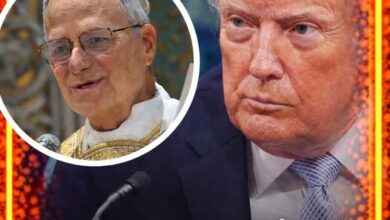
MELANIA TRUMP EXPLOSIVE EPSTEIN STATEMENT SPARKS MASSIVE OUTRAGE AS SURVIVORS FIRE BACK

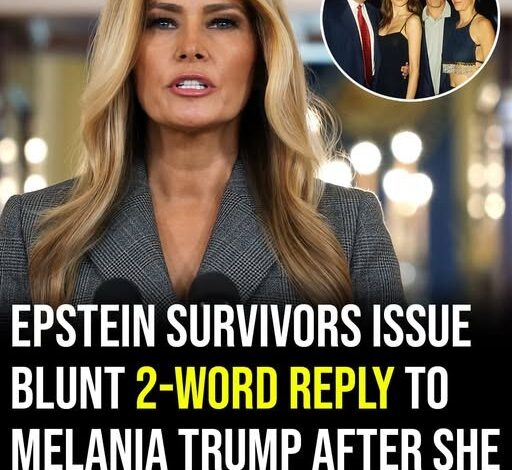
Washington, D.C. has long been a center of political tension, but a recent and unusual public move by former First Lady Melania Trump has stirred significant controversy. Breaking from her typically reserved stance, she addressed ongoing concerns about alleged connections to Jeffrey Epstein and Ghislaine Maxwell—figures whose scandal has cast a long shadow over elite social circles for years. As public pressure for answers intensifies in 2026, Melania issued a formal statement aimed at distancing herself from any association with the network.
Her response was carefully worded. She dismissed claims of any substantial relationship with Epstein, characterizing any encounters as brief and incidental, occurring at large social gatherings with many attendees. According to her, the rumors are exaggerated distortions. She framed her statement as an effort to put the issue to rest, arguing that clear communication is necessary to counter ongoing speculation. However, as often happens in high-profile controversies, the attempt to shut down discussion instead amplified it.
The situation escalated when she proposed holding public hearings where survivors of Epstein’s abuse could testify under oath. While she presented this as a step toward transparency and justice, the suggestion was met with immediate criticism—especially from survivors themselves. To many of them, the idea felt less like accountability and more like turning their experiences into a public spectacle.
A coalition of survivors responded sharply, emphasizing that they have already shared their testimonies through years of legal proceedings, investigations, and personal hardship. Being asked to recount those experiences again in a public forum was seen as unnecessary and harmful. They argued that justice should not require victims to repeatedly relive their trauma, particularly for the sake of political narratives.
This reaction underscores a deeper divide in perspectives on justice. While some public figures advocate for visible, formal processes to establish truth, survivors point out that extensive evidence already exists—including documented testimonies and investigative records. From their viewpoint, the issue is not a lack of information, but a lack of meaningful accountability. Calls for additional testimony can feel like deflection, shifting responsibility back onto victims rather than addressing systemic failures.
Critics also noted what Melania’s statement did not address. While she strongly defended her own position, she avoided discussing Donald Trump’s past proximity to Epstein, which has been documented through photos and other records. This omission drew attention, as silence in such contexts is often interpreted as intentional rather than neutral.
The controversy has sparked a broader debate. One side emphasizes the importance of official proceedings and public records, while the other highlights the emotional and psychological cost to survivors who feel they have already done enough. At its core, the question is where responsibility should lie—with institutions that failed to act, or with individuals who have already endured significant harm.
Ultimately, Melania Trump’s effort to clarify her position has reignited attention on unresolved issues surrounding the Epstein case. Survivors have made it clear that the facts are already available; what is missing is decisive action. Until those in positions of power engage directly with existing evidence and its implications, calls for further “clarity” are likely to be met with frustration from those who feel their voices have already been heard.