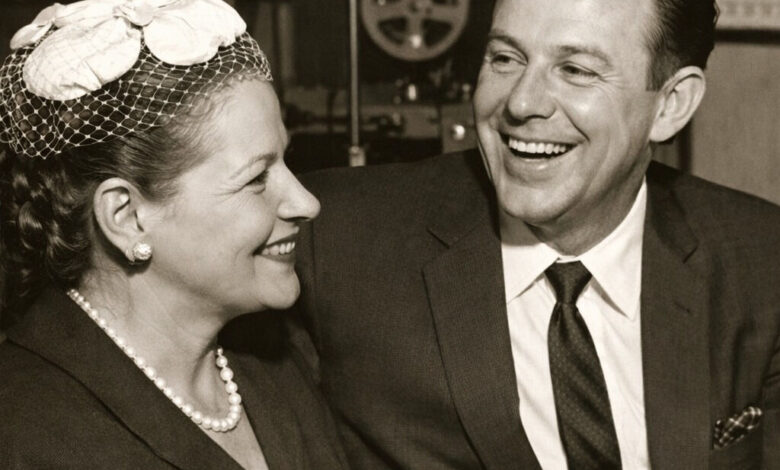
In 1960, a truly groundbreaking song emerged—one that would leave a lasting imprint on both country and pop music for generations to come. At a time when the music industry was undergoing a transformation, with traditional sounds beginning to blend with more modern influences, this track stood apart. Its smooth production, gentle rhythm, and heartfelt vocal delivery created a unique listening experience that felt both innovative and deeply familiar. It offered a bridge between classic country storytelling and a more polished, accessible sound that could resonate with a wider audience. The song’s emotional simplicity, paired with its sincerity, made it instantly memorable and widely embraced.
What makes the song even more compelling is the story behind its creation. Songwriters Joe and Audrey Allison found inspiration in an ordinary yet powerful moment. Joe reportedly overheard a man in a bar quietly speaking on the telephone, trying to reach someone who clearly meant a great deal to him. There was something raw and vulnerable in the way the man spoke—an unguarded sense of longing and hope—that stayed with Joe long after the moment had passed. That fleeting interaction became the emotional foundation of the song. Together, the Allisons crafted lyrics that captured that same sense of yearning, weaving themes of love, regret, and the desire for reconnection into a narrative that felt universally relatable.
Producer Chet Atkins played a crucial role in shaping the song’s final sound. Known for his influence in developing the Nashville Sound, Atkins understood the importance of restraint. Instead of overwhelming the listener with heavy instrumentation, he opted for a soft, understated arrangement. The gentle use of strings, subtle backing vocals, and a clean, uncluttered production allowed the singer’s voice and the song’s emotion to take center stage. This approach not only enhanced the intimacy of the track but also made it more appealing to audiences beyond traditional country music fans.
When the song was released, it quickly exceeded expectations. It climbed to the top of the country charts and achieved significant crossover success on pop radio, introducing it to an even broader audience. This success helped solidify the Nashville Sound as a defining style of the era—one that blended country’s storytelling roots with a smoother, more sophisticated musical backdrop. The song became a template for future recordings, influencing countless artists and producers who sought to replicate its balance of emotional depth and commercial appeal.
Over time, many artists recorded their own versions of the song, each bringing a slightly different interpretation. Despite these renditions, the original recording has remained the most iconic. There is something about its simplicity and authenticity that continues to set it apart, even decades later. It captures a moment in time while also feeling timeless, a quality that few songs achieve.
At the heart of its success was Jim Reeves, whose performance elevated the song to legendary status. His voice carried a rich, velvety tone that conveyed both warmth and quiet strength. Reeves had a unique ability to deliver lyrics with a calm, almost conversational intimacy, drawing listeners in as if he were speaking directly to them. This understated style perfectly matched the song’s emotional core, allowing its message to resonate on a deeply personal level.
Tragically, Jim Reeves’ life was cut short in 1964 when he died in a plane crash. However, his music—and this song in particular—continued to live on. It has been featured in films, played on radio stations around the world, and included in countless compilations and tributes. New generations of listeners continue to discover it, often finding the same emotional connection that audiences felt upon its original release.
Ultimately, the song’s enduring appeal lies in its honesty. It speaks to universal human experiences—love, loss, longing, and the hope of being heard. Decades after its debut, it remains a shining example of how music can transcend time, connecting people through shared emotion. Its influence on both country and pop music is undeniable, and its legacy continues to grow, reminding us of the power of a simple, heartfelt song delivered with sincerity and care.