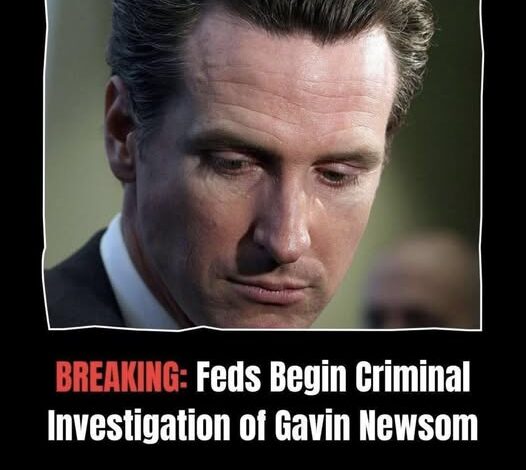
Across both sides of the Atlantic, the political fallout from recent fraud allegations is unfolding as much in perception as in proven fact. The announcement of a federal investigation into California—following closely behind the controversy in Minnesota—signals a deepening strain between Washington and several state governments, particularly those already divided along partisan lines. By invoking Minnesota as a benchmark and publicly accusing California leadership of potentially worse misconduct, the message reframes oversight as something more than routine governance—it becomes a test of credibility, competence, and moral authority.
But beneath the rhetoric, the reality is uneven. In Minnesota, sweeping claims of childcare fraud gained national attention after viral videos and high-profile accusations, prompting federal action, including the freezing of funds and the launch of investigations. Yet some of those early claims remain unproven or disputed, with reporting indicating that certain widely shared allegations lacked clear evidence or were still under investigation. At the same time, the state has faced very real fraud cases in other programs—some involving millions of dollars—which have fueled legitimate concerns about oversight and accountability.
That dual reality—documented fraud alongside amplified or uncertain claims—has created a volatile narrative environment. Viral footage of seemingly empty facilities receiving public funds has become a powerful symbol, regardless of whether each case holds up under scrutiny. In moments like this, images often move faster than investigations, shaping public opinion before facts fully settle.
Meanwhile, federal responses have taken on a more aggressive posture. Funding freezes, expanded verification requirements, and calls for whistleblowers reflect a shift toward centralized enforcement and tighter controls. Critics argue this approach risks politicizing oversight and undermining cooperation between federal and state systems, especially when early claims are later corrected or overstated—as seen in other recent investigations. Supporters, however, see it as a necessary correction to years of fragmented accountability.
California now enters that same spotlight, but with its own distinct context. The state has already been pursuing major fraud cases—such as large-scale healthcare schemes involving hundreds of millions of dollars—while simultaneously facing external criticism about the effectiveness of its safeguards. Whether the new federal probe uncovers systemic abuse or isolated wrongdoing remains an open question. What’s less uncertain is that the political framing is already influencing how the investigation is being understood.
In the end, this moment isn’t just about fraud—it’s about trust. Trust in institutions to detect and prevent abuse. Trust in leadership to respond honestly. And trust in the information ecosystem itself, where viral narratives, partial evidence, and political messaging increasingly collide. The outcome of these investigations will matter, but so will the process: whether it clarifies reality or deepens the divide between competing versions of it.
Because long before any final findings are released, the broader debate has already shifted—toward questions not only of waste and oversight, but of governance, credibility, and how easily public confidence can be reshaped in real time.