
Picture a quiet 12-year-old in Tupelo, Mississippi, holding a guitar that seems almost too large for him. In 1947, Elvis Presley wasn’t a global icon—he was simply a student at Milam Junior High. Yet beneath his reserved demeanor, something extraordinary was beginning to take shape. This wasn’t just an ordinary moment in a young boy’s life; it was the early spark of a musical evolution that would one day redefine Rock and Roll and leave a lasting mark on the world.
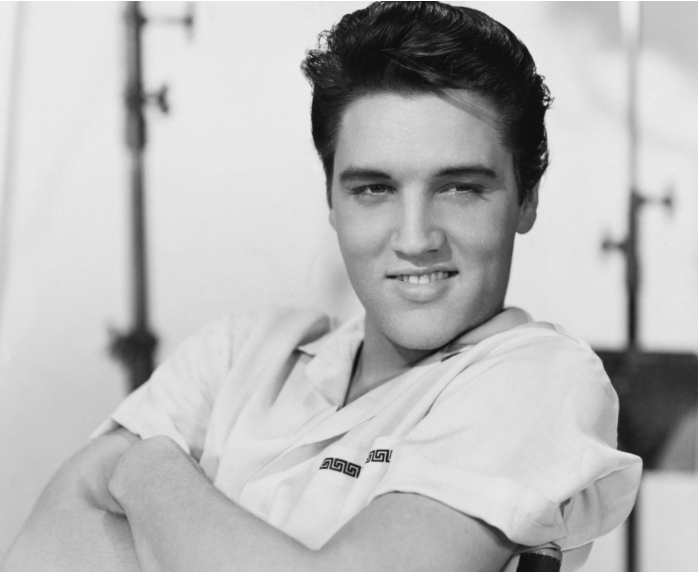
By 1947, young Elvis was absorbing music from every direction around him. The gospel rhythms he heard in church blended with the raw, emotional sounds of country and blues that filled the streets of Tupelo. Without realizing it, he was shaping a unique musical voice—one that drew from different traditions and brought them together in a fresh, unexpected way. While society at the time often kept these styles separate, Elvis instinctively connected them, laying the groundwork for a sound that would later break barriers and influence generations of music to come.
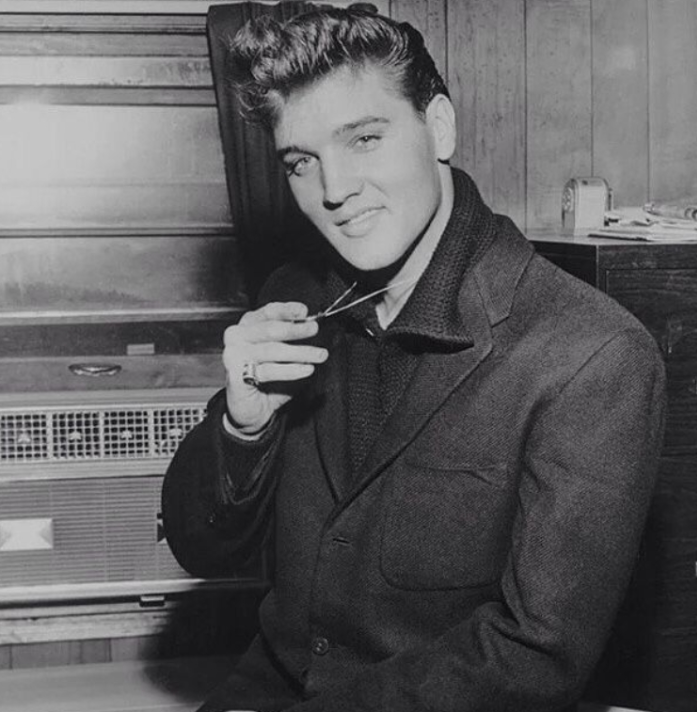
His early years were shaped by a deep, unwavering connection to his mother, Gladys, and the constant reality of growing up with very little. Life wasn’t easy, and those challenges left a lasting mark on him. They helped build a quiet strength—an inner drive fueled by humility, determination, and a strong desire to prove himself. The emotional depth that would later define his performances didn’t appear by chance; it was rooted in those early experiences. In many ways, it began in that small, modest home, where a young boy held onto big dreams and found his voice through struggle.
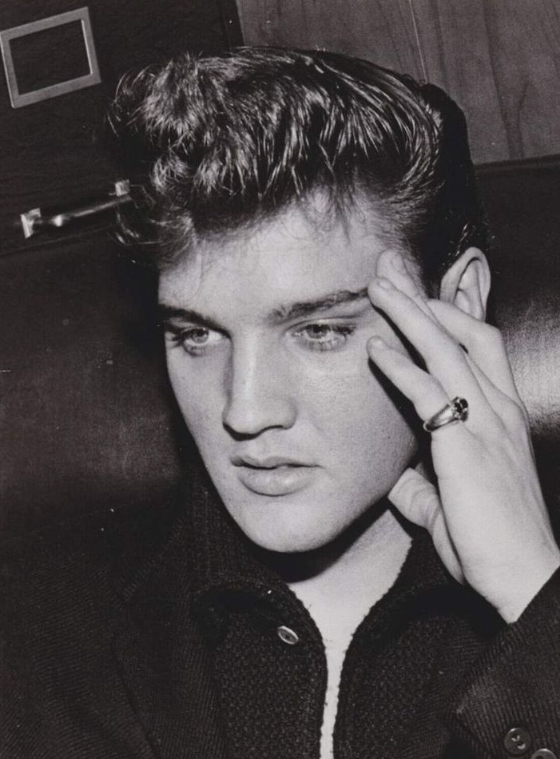
As he matured, his voice would settle into a deep, resonant baritone spanning three octaves, yet even at twelve, the dynamic “kinetic energy” of his movement was already quietly present. He turned music into an immersive, full-body experience, pushing against the restrained, stress-driven conventions of his time.
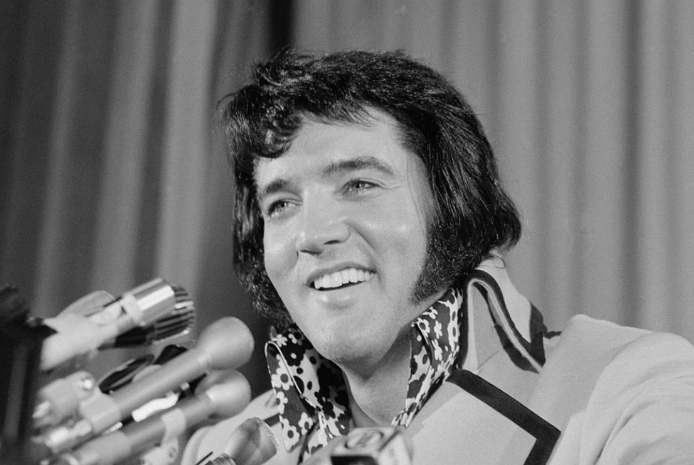
Today, in 2026, we reflect on that 1947 photograph and recognize the quiet beginnings of a worldwide transformation. Elvis Presley endures as a defining icon of the American Dream—proof that a true “interpreter of the human experience” can emerge from the humblest origins. He did more than sell records; he wove the spirit of a nation into a lasting legacy that continues to resonate.