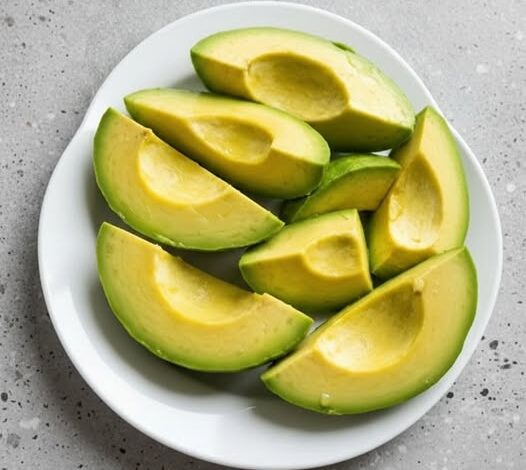
In the world of modern nutrition, few foods have achieved the cultural status of the avocado. Often called “green gold,” this creamy, nutrient-rich fruit has moved far beyond its Central and South American roots to become a global dietary staple. While clickbait headlines sometimes try to cast doubt on its health benefits, research consistently confirms that avocados are a powerhouse of wellness—supporting heart health, cognitive function, digestion, and systemic healing.
What sets avocados apart from most fruits is their unique biochemical composition. Unlike typical fruits that are high in carbohydrates and sugar, avocados are rich in monounsaturated fats, particularly oleic acid—the same heart-healthy fat found in olive oil. These fats do more than nourish; they act as vehicles for fat-soluble vitamins like A, D, E, and K, along with antioxidant compounds such as carotenoids. Without healthy fats, many essential nutrients pass through the digestive system unabsorbed, making avocados a crucial catalyst for overall nutrient efficiency.
The cardiovascular benefits of avocados are particularly compelling. Heart disease remains a leading global health challenge, and the fats in avocados support healthy cholesterol balance by lowering “bad” LDL and raising protective HDL levels. Avocados are also rich in potassium—more than bananas—which helps maintain healthy blood pressure and supports proper muscle and arterial function. Regular consumption provides the nutrients necessary for vascular elasticity and long-term heart health.
Avocados also play a vital role in digestive wellness. High in both soluble and insoluble fiber, a single fruit can supply nearly half of the recommended daily fiber intake. Soluble fiber feeds beneficial gut bacteria, while insoluble fiber aids in bowel regularity. Together, these fibers foster a balanced gut microbiome, which is increasingly linked to improved mood, immunity, and overall systemic health.
For metabolic health, avocados are equally valuable. Low in sugar but high in fat and fiber, they have a minimal impact on blood glucose levels. Consumed with other foods, the fats slow carbohydrate digestion, preventing spikes in insulin and energy crashes. This makes avocados ideal for those monitoring blood sugar or seeking sustained energy throughout the day.
The benefits extend to the brain and skin as well. The brain, the fattiest organ in the body, thrives on monounsaturated fats that support the myelin sheath, ensuring efficient neuron communication. Avocados also contain lutein and zeaxanthin—antioxidants linked to cognitive performance and eye health—and vitamins C and E, which protect the skin from oxidative damage while supporting collagen production for a resilient, youthful appearance.
Despite being calorie-dense, avocados support weight management by promoting satiety. Their combination of fat and fiber keeps hunger at bay, reducing the likelihood of snacking on processed foods and supporting sustainable, healthy eating patterns without deprivation.
Avocados also have a potent anti-inflammatory profile. Phytosterols, carotenoids, and omega-3 fatty acids work together to reduce chronic inflammation, which underlies conditions like arthritis, metabolic syndrome, and cognitive decline. Incorporating avocados into your diet supports the body’s natural healing processes and overall resilience.
Culinary versatility makes daily avocado consumption easy. Beyond avocado toast, the fruit can be blended into smoothies, sliced into salads, mashed into guacamole, or used as a substitute for butter or oil in baking. Its mild, buttery flavor adapts to both savory and sweet dishes, including desserts like chocolate mousse, where it provides creamy texture while the cocoa masks its color.
Ultimately, the avocado is a testament to the power of whole, plant-based foods. Packed with healthy fats, fiber, and essential micronutrients, it supports nearly every major system in the body. Forget the sensational headlines—avocados are a natural ally for immunity, cardiovascular health, cognitive function, and overall vitality. By embracing this “green gold,” we can harness the transformative potential of nutrition straight from nature.