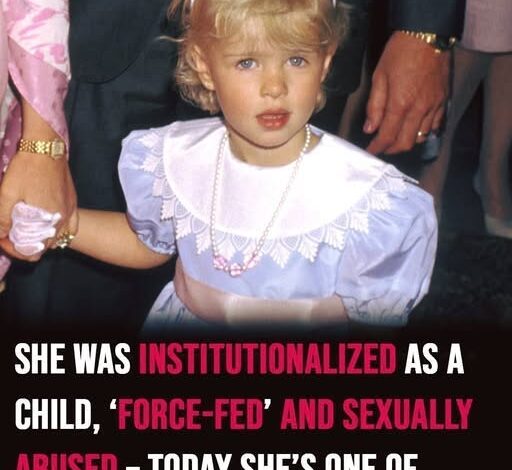
She did more than survive a painful chapter of her life—she chose to expose it to the world. For years, Paris Hilton was viewed through the lens of celebrity culture: a socialite, reality television star, and tabloid fixture whose public image often overshadowed the person behind it. But when she began speaking openly about her experiences as a teenager in the troubled-teen industry, that carefully constructed perception changed dramatically. The persona that many dismissed as superficial gave way to the voice of someone recounting years of fear, humiliation, and trauma.
In vivid and often disturbing detail, Hilton described what she says she endured while enrolled in youth treatment facilities. She spoke of being forcibly transported from her home in the middle of the night, isolated from family and friends, subjected to harsh disciplinary practices, and living under constant surveillance and control. Her accounts of restraint, invasive searches, forced medication, and emotional manipulation shocked many who had never questioned the practices operating behind the walls of such institutions. What emerged was not simply a personal story, but a broader indictment of an industry that has long faced criticism for inadequate oversight and allegations of abuse.
By sharing her experiences publicly, Hilton transformed private suffering into a public reckoning. Through interviews, documentaries, podcasts, and testimony before lawmakers, she challenged assumptions about youth behavioral treatment programs and demanded greater accountability. Her willingness to revisit painful memories placed renewed attention on survivors whose stories had often gone unheard. In doing so, she helped create a platform for thousands of former residents to come forward with accounts of their own experiences.
Her advocacy soon moved beyond awareness and into action. Hilton became actively involved in efforts to strengthen regulations governing youth residential facilities, pushing for increased transparency, independent inspections, and protections for minors placed in institutional care. She met with legislators, participated in policy discussions, and used her public influence to keep the issue in the national spotlight. Rather than allowing her story to become a one-time headline, she turned it into a sustained campaign for reform.
The impact of her efforts extended far beyond her own case. Survivors and advocacy groups found a powerful ally in someone with the visibility to command public attention and the determination to keep speaking when media interest faded. Her testimony helped humanize a complex issue, encouraging broader conversations about children’s rights, parental decision-making, mental health treatment, and institutional accountability.
In reclaiming a part of her past that had long been hidden, Hilton fundamentally reshaped her public identity. She stepped beyond the role assigned to her by years of celebrity coverage and emerged as something very different: a survivor willing to confront painful truths, a witness determined to ensure those truths are heard, and an advocate committed to protecting vulnerable young people. Her journey became not only a story of personal resilience but also a reminder that speaking out can challenge powerful systems and inspire meaningful change.
Today, her message remains consistent and urgent: what happened to her—and to countless others—should never be dismissed, minimized, or accepted as normal. By refusing to remain silent, Paris Hilton transformed her experience into a movement, using her platform to fight for accountability and to give a voice to those who are still seeking justice.