A Father’s Grief Becomes a Wake-Up Call About Hidden Dangers, Addiction Risks, Family Loss, and the Urgent Need for Awareness, Compassion, Prevention, and Honest Conversations as One Personal Tragedy Reflects a Much Larger Crisis Affecting Families and Communities Across the World Today

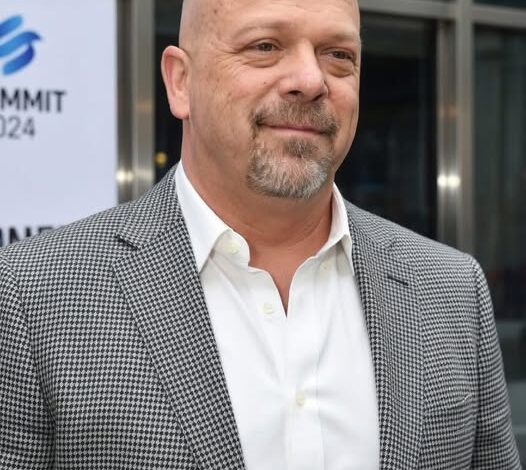
The loss of a loved one is always deeply personal, but when that loss is tied to a wider crisis, it takes on a weight that reaches far beyond a single family. That is what many people felt in the wake of Rick Harrison losing his son Adam Harrison. While the names may be familiar to the public, the grief itself is not unique—it reflects a heartbreak that countless families quietly endure every day.
At the center of the story is not fame, but a father facing an unimaginable reality. Loss has a way of reshaping memory. Ordinary moments—conversations, shared routines, small gestures—begin to carry a different kind of meaning. They are revisited not just with love, but with a sense of longing and unanswered questions. In that space, grief becomes deeply personal, something that cannot be measured or compared, regardless of public attention.
In the immediate aftermath, public visibility tends to fade in importance. What remains is the private process of mourning—one that unfolds slowly and unevenly. Grief does not follow a schedule. It can surface unexpectedly, in quiet moments or familiar places, making everyday life feel unfamiliar. Simple expressions—a message, a photograph, a memory—often take on profound significance, becoming anchors in a world that has suddenly shifted.
What has also brought this loss into wider focus is its connection to a growing and urgent issue. The mention of fentanyl highlights a crisis that has affected families across many communities. For some, it is a distant headline. For others, it becomes devastatingly real without warning. The danger often lies in how hidden and unpredictable it can be, making awareness and education critical.
In response, conversations around prevention and understanding have become more important than ever. This is not about fear, but about clarity—recognizing risks, encouraging open dialogue, and making sure people feel safe seeking help. Reducing stigma plays a key role here. When individuals feel judged or isolated, they are less likely to speak up or access support. Compassion, in this context, becomes not just a kindness, but a necessity.
The emotional impact of stories like this also serves as a reminder of how important connection truly is. Loss can make people more aware of the fragility of life and the value of relationships. Reaching out to loved ones, checking in on friends, or simply being present can carry more weight than we often realize. For those navigating grief, knowing they are not alone can offer a small but meaningful sense of comfort.
In his own words, Rick Harrison acknowledged both the personal and broader dimensions of the tragedy: he confirmed that his son died from a fentanyl overdose and emphasized that the crisis needs to be taken more seriously. His statement reflects not only a father’s grief, but also a call for greater awareness and action.
Ultimately, this story is about more than a single loss. It speaks to the need for understanding, empathy, and collective responsibility. While nothing can undo what has happened, there is value in what can come next—honest conversations, increased awareness, and a commitment to supporting those who may be at risk.
Grief may begin as something deeply personal, but in moments like this, it can also become a catalyst for change—reminding us not only of what has been lost, but of what still needs to be protected.