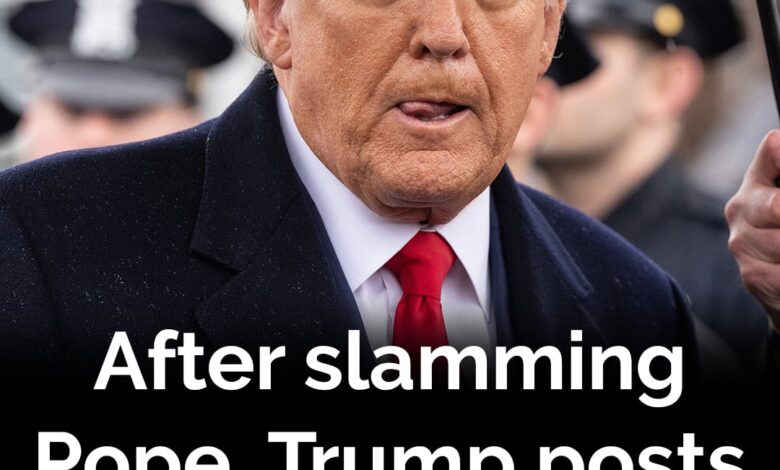
The image didn’t circulate in isolation—it landed in a moment already charged with tension, and that context shaped how it was received. Coming after sharp criticism of a religious figure, the AI-generated portrayal of Trump in symbolic, almost sacred imagery amplified the reaction. For some viewers, it felt provocative or inappropriate, especially given the blending of religious iconography with political identity. For others, it was interpreted more loosely—as satire, exaggeration, or a form of expressive support.
What stands out isn’t just the image itself, but the broader pattern it reflects. AI tools now make it easy to generate highly stylized, mythic portrayals of public figures—casting them as heroes, rulers, or larger-than-life symbols. These visuals can blur the line between humor, messaging, and identity-building. Over time, repeated exposure can normalize this kind of imagery, making it part of how political narratives are shaped and shared online.
At the same time, reactions tend to divide along existing lines. Critics often see these portrayals as concerning, especially when they appear to elevate individuals in ways that echo reverence or authority beyond typical political support. Supporters, meanwhile, may view them as creative expression, political branding, or a response to criticism—less literal, more symbolic.
The deeper issue isn’t just whether a single image offends or resonates. It’s how digital media—especially AI-generated content—changes the tone of political communication. When images become more extreme, more symbolic, or more emotionally charged, they can shift expectations around how leaders present themselves and how audiences engage with them.
In that sense, the moment reflects a broader evolution. Political discourse is no longer limited to speeches, policies, or debates—it now includes visual storytelling that can be instantly created and widely shared. The question moving forward is how societies interpret and respond to that shift: whether these images remain seen as exaggeration and commentary, or whether they begin to influence how leadership itself is imagined.