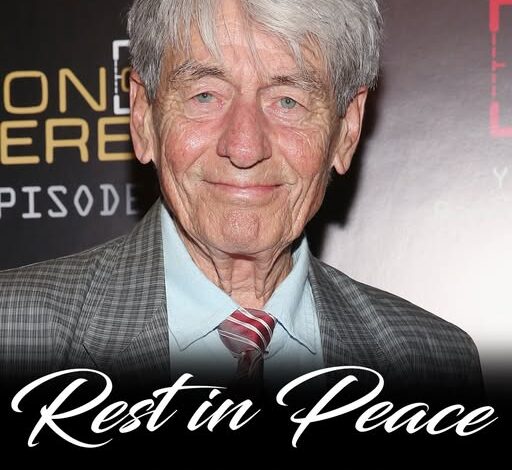
He was never the name that dominated the marquee, yet John Nolan possessed a presence that could quietly command attention the moment he appeared. There was a steadiness to his performances—never overstated, never forced—that allowed him to shape a scene from within rather than seize it outright. Whether seated in the polished tension of Wayne Enterprises’ boardroom in Christopher Nolan’s Batman trilogy or embodying the unnerving composure of John Greer in Person of Interest, he carried a weight that made every word, every pause, feel deliberate.
That sense of control was no accident. His roots in the theater—steeped in Shakespeare and the rigor of touring repertory companies—gave him a foundation built on discipline, timing, and an instinct for character that didn’t rely on spectacle. On stage, where every gesture must reach the back row, he learned precision. On screen, he translated that precision into something subtler, letting small choices resonate in a medium that rewards restraint. Over time, his career wove itself through British television and film, not in bursts of fame, but in a steady accumulation of roles that added depth to the stories around him.
What made Nolan distinctive was his ability to inhabit the margins without ever feeling secondary. He often played figures of authority, intelligence, or quiet menace—characters who seemed to understand more than they revealed. In doing so, he became a kind of anchor for the narrative, someone audiences might not always focus on immediately, but whose presence they trusted instinctively. He didn’t need to dominate a scene; he completed it.
Offscreen, that same sense of grounding defined his life. He was not just an actor moving through an industry, but a husband, a father, and a grandfather, building a personal legacy alongside his professional one. His collaborations with his nephews, including Christopher Nolan, were more than familial connections—they reflected a mutual respect forged through years of dedication to craft. He wasn’t simply included; he was relied upon.
In the end, John Nolan’s legacy isn’t measured only in the roles he played, but in the atmosphere he created whenever he stepped into a story. There’s a particular kind of assurance he brought—a feeling that, no matter how complex or uncertain the narrative, there was something solid at its core. It’s the kind of contribution that doesn’t always draw headlines, but lingers with audiences long after the credits roll: the quiet confidence that the story, for a time, was held in careful, capable hands.