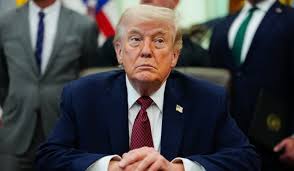
The diagnosis of chronic venous insufficiency introduces a moment of stillness into a campaign defined by momentum, endurance, and projection of strength. What might otherwise be a routine medical update becomes something larger in a political arena where every detail is scrutinized. Physical signs—slower movement, visible discomfort, even brief pauses—risk being interpreted not just as health realities, but as indicators of capacity, resilience, and control.
In modern campaigns, perception often moves faster than facts. A condition like this, while manageable, can quickly take on symbolic weight. Supporters may frame it as proof of determination—a candidate continuing despite physical strain, embodying grit and persistence. Critics, by contrast, may highlight it as evidence of limitation, questioning stamina in a role that demands constant engagement. The same reality splits into competing narratives, each shaped by prior belief rather than neutral assessment.
At the same time, there’s a more human layer beneath the political framing. Maintaining a high-intensity national campaign at an advanced age is, by any measure, physically demanding. Long travel days, irregular schedules, and the constant pressure of public visibility take a toll. The condition itself—circulatory, chronic, often uncomfortable—serves as a reminder that the body imposes limits, even when the public persona resists acknowledging them.
This tension—between the need to project strength and the inevitability of physical vulnerability—has long been part of leadership, but it feels sharper now in an era of nonstop media and instant replay. Moments that might once have gone unnoticed are now clipped, shared, and debated within minutes. The question is no longer just about health, but about how health is perceived, framed, and ultimately judged.
For some voters, this may reinforce admiration: a figure continuing forward despite strain. For others, it may raise concerns about sustainability and transparency. And for many, it simply brings into focus something easy to overlook in the intensity of political conflict—that public figures, no matter how polarizing, are still subject to the same physical realities as everyone else.
In the end, the significance of this moment may depend less on the diagnosis itself and more on how it is integrated into the broader narrative. Whether it becomes a symbol of endurance, a point of critique, or a passing note will be shaped not just by the candidate, but by the audience watching, interpreting, and deciding what it means.