Sleep plays a vital role in maintaining both physical well-being and mental clarity. It supports memory, focus, immune strength, emotional balance, and overall recovery. While many people believe that getting enough hours of sleep is the only thing that matters, sleep quality is also affected by posture and body position. The way a person sleeps can influence breathing, digestion, physical comfort, and even how relaxed the body feels during the night.
One sleep-related topic that is often discussed is the difference between sleeping on the left side and sleeping on the right side. Some research and medical observations suggest that sleep position may have small effects on digestion, reflux, and internal body comfort. However, these effects are usually mild and can vary from one person to another. Sleep experts generally agree that there is no single perfect sleeping position for everyone, because comfort, health conditions, and individual needs all play an important role.
Side sleeping is often considered a healthy option, especially when compared with stomach sleeping or lying flat on the back for people with certain issues such as snoring, reflux, or breathing discomfort. Among side-sleeping positions, the left side is frequently mentioned in wellness discussions because of its possible connection to digestion. The stomach’s natural position in the body may make left-side sleeping more comfortable for some people after eating or during rest.
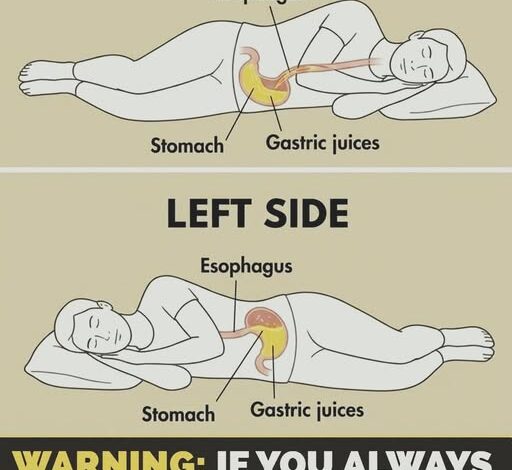
One possible benefit of sleeping on the left side is that it may help reduce acid reflux symptoms in certain individuals. This is because the position of the stomach and esophagus can affect how easily stomach acid moves upward during sleep. When lying on the left side, gravity may help keep stomach contents in a more favorable position. Still, this does not mean that sleeping on the right side is dangerous or unhealthy. Many people sleep on their right side without experiencing any problems at all.
Sleep position is also sometimes discussed in relation to heart function and circulation. Since the heart sits slightly toward the left side of the chest, some people believe that sleeping on one side may affect cardiovascular comfort. In certain cases, body position may influence how pressure is placed on blood vessels or how comfortable a person feels while resting. However, there is limited evidence showing major cardiovascular differences between left-side and right-side sleeping. The heart is designed to work effectively in many body positions.
The spleen is another organ often mentioned when discussing left-side sleeping. It is located on the left side of the body and helps filter blood while supporting immune function. Some wellness explanations suggest that lying on the left side may support the spleen’s natural position because of gravity and body alignment. However, this idea should be understood as a general theory rather than a proven medical benefit.
Comfort during sleep depends on several body systems, including digestion, breathing, circulation, and muscle alignment. A person’s sleeping posture can either reduce strain or create discomfort depending on how the body is supported. For this reason, spinal alignment is one of the most important factors in sleep quality. Keeping the neck, back, and hips in a neutral position is often more important than choosing only the left or right side.
Using the right pillow and mattress can make a major difference. Poor support may lead to neck stiffness, back pain, shoulder pressure, or interrupted sleep, no matter which side a person sleeps on. People with shoulder, hip, or back pain may need to adjust their position based on what feels best for their body. In these cases, reducing pain and improving comfort should be the main priority.
For people who struggle with acid reflux or nighttime digestive discomfort, left-side sleeping may be worth trying. Some evidence suggests that this position can help reduce reflux symptoms because of the way gravity affects stomach contents. However, people with different medical conditions or physical discomfort may find another position more suitable. The best position is usually the one that allows the body to rest without pain, breathing difficulty, or repeated waking.
It is also important to remember that sleep quality is influenced by many habits beyond sleeping position. Stress, diet, caffeine intake, screen use, room temperature, noise, and bedtime routine all affect how well a person sleeps. Maintaining a regular sleep schedule, limiting caffeine late in the day, reducing screen exposure before bed, and creating a calm sleeping environment may improve sleep more than focusing only on body position.
Although left-side sleeping is often presented as beneficial in health and wellness content, it should not be treated as a strict rule. Its possible benefits are mostly related to comfort, digestion, and reflux support for certain individuals. The effects are not the same for everyone, and the body is capable of resting and functioning well in different positions.
In practical terms, the healthiest sleeping position is the one that promotes deep, uninterrupted, and comfortable rest. Some people may benefit from sleeping on the left side, while others may feel better on the right side or by changing positions during the night. What matters most is waking up refreshed, without pain, discomfort, or breathing problems.
Good sleep supports brain function, emotional health, immunity, energy, and long-term wellness. Small improvements in daily routines and sleep habits often have a greater impact than any single sleeping position. Understanding how the body responds to different positions can be helpful, especially for people with reflux or specific health concerns, but comfort and consistency remain the most important factors.
In conclusion, sleeping on the left side may offer certain advantages for digestion and nighttime comfort, especially for people with acid reflux. However, it is not a universal requirement for healthy sleep. The best sleep posture is the one that supports relaxation, proper alignment, and restful sleep throughout the night.