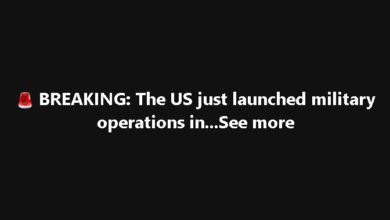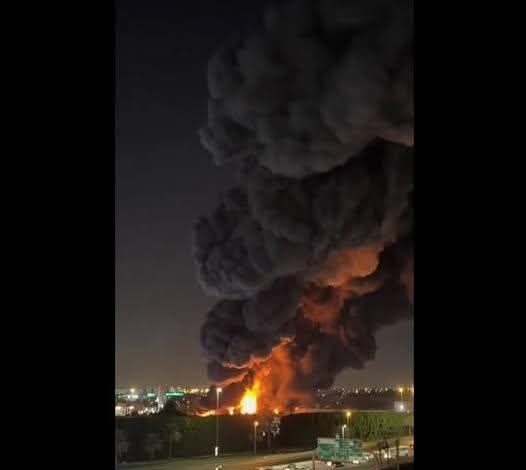
The digital era has reshaped the way information is created, distributed, and consumed, particularly during moments of geopolitical tension. In regions such as Israel and the wider Middle East—where political dynamics are complex and historical tensions run deep—the rapid cycle of “breaking news” often moves faster than the processes designed to verify facts. As a result, audiences are navigating a digital environment where immediacy frequently outweighs accuracy, and where the distinction between eyewitness reporting and coordinated information campaigns is increasingly difficult to detect. Understanding how viral content operates—and the psychological mechanisms that fuel its spread—is essential for anyone trying to make sense of events during times of crisis.
Many modern “breaking news” posts are carefully crafted to provoke an emotional response. Messages often begin with dramatic location-based phrases such as “Just now in Tel Aviv…” or “Breaking from southern Lebanon…”. These cues create a sense of urgency and proximity that encourages readers to react quickly rather than reflect critically. By invoking a specific place and a recent moment in time, such posts tap into instinctive emotional responses—particularly fear and concern. In a region where a single incident can trigger wider consequences, users often feel compelled to share the information immediately, believing they are helping others stay informed. Unfortunately, this impulse is precisely what both manipulative actors and engagement-driven algorithms rely on to amplify unverified claims.
Periods of heightened conflict often produce an information gap that is quickly filled by what some analysts describe as “gray media.” These sources imitate the appearance of legitimate journalism but operate without the same editorial standards or accountability. Their content is typically designed to generate emotional reactions and rapid engagement. Strong language, dramatic imagery, and claims of insider knowledge are common elements. When users encounter posts suggesting secret diplomatic deals or sudden military operations, the novelty and urgency of the claim can produce a sense of excitement or urgency. The desire to be among the first to share such news with friends or followers often overrides the instinct to verify it. As engagement grows, the number of shares, likes, and comments can mistakenly appear to confirm the story’s credibility.
Distinguishing verified information from online noise requires careful attention to sources. Established news organizations operating in the Middle East rely on a structured process that includes multiple sources, editorial review, and legal oversight. Professional journalists rarely publish unverified material without context or confirmation from official channels such as local authorities, hospitals, or independent observers. In contrast, viral posts often depend on a single ambiguous video or image that may have been taken years earlier or in a completely different location. Practicing digital verification can involve examining image metadata, noticing unusual linguistic patterns that suggest automated translation, and checking whether reputable regional outlets are reporting the same event. If a dramatic claim appears only on one anonymous account, it is far more likely to be unconfirmed or misleading.
Algorithms also play a major role in shaping the narratives that people see online. Social media platforms prioritize content that drives engagement, which often means posts that provoke strong emotional reactions. In the context of the Middle East, where perspectives on events can be sharply divided, algorithms can reinforce ideological bubbles. Users may be repeatedly exposed to information that aligns with their existing beliefs while opposing perspectives are filtered out. Over time, this dynamic can create an exaggerated or distorted understanding of events. Responsible consumption of news therefore requires actively seeking information from a variety of credible sources, particularly those focused on reporting facts and humanitarian impacts rather than promoting partisan narratives.
The effects of misinformation extend far beyond online discussions. In a region where tensions can escalate quickly, inaccurate reports about military actions, political developments, or acts of violence can spark fear, economic disruptions, or retaliatory reactions. Because of this, responsible reporting is not merely a professional obligation—it is a critical component of social stability. Journalists and readers alike benefit from adopting a “verification before amplification” mindset. Key questions should always be asked: Who first reported this information? Does the source have a clear bias or interest? Is the language meant to inform the public, or to provoke outrage and fear?
Another complicating factor is the growing influence of OSINT, or Open Source Intelligence. Access to satellite imagery, social media footage, and other publicly available data has enabled ordinary individuals to analyze events in ways that were once limited to specialists. While this transparency can strengthen accountability, it has also produced a wave of amateur analysis that may lack necessary cultural, linguistic, or technical expertise. For example, an object seen in satellite imagery might be interpreted as a missile launcher by an untrained observer, while a professional analyst might identify it as a harmless structure. The availability of information is empowering, but without the discipline of professional methodology, it can contribute to confusion rather than clarity.
Ultimately, building a more informed public requires practicing what might be called “media hygiene.” This involves resisting the temptation to trust posts that claim to report events from “minutes ago” until those claims have been confirmed by credible organizations. It also means recognizing that the reality of conflicts in the Middle East is often far more complex than viral headlines suggest. By separating speculation from verified facts, individuals not only protect themselves from manipulation but also show respect for the seriousness of events affecting people on the ground. In an age dominated by instant information, the most responsible action a journalist—or any reader—can take is to prioritize accuracy over speed and allow the truth time to emerge.