
Few names carry the weight and legacy of Hollywood’s golden era quite like this iconic figure. Seen here in his later years, he represents not just a lifetime of cinematic achievement, but a story of resilience, transformation, and enduring influence. From modest beginnings to international recognition, his life reflects the very essence of the classic American success story.
Born as Issur Danielovitch in Amsterdam, New York, to Russian-Jewish immigrant parents, his early life was shaped by hardship and determination. Growing up in a working-class environment, he understood struggle firsthand—a reality that would later fuel the intensity and authenticity of his performances on screen.
Through relentless dedication and an unshakable work ethic, he carved his place in Hollywood history. Over the decades, he became synonymous with strength, grit, and commanding presence, starring in films that would go on to define an era. His performances weren’t just memorable—they were transformative, leaving a lasting mark on both audiences and the industry itself.
Beyond the spotlight, his life was equally compelling. He faced personal challenges, health battles, and shifting times in Hollywood, yet remained a symbol of perseverance. Even in his later years, his presence carried a quiet dignity—a reminder of a legacy built not just on fame, but on resilience and character.
Today, he is remembered not only as a legendary actor but as a man whose journey continues to inspire generations. His story is proof that greatness isn’t just about where you end up—but how you rise, endure, and leave your mark along the way.
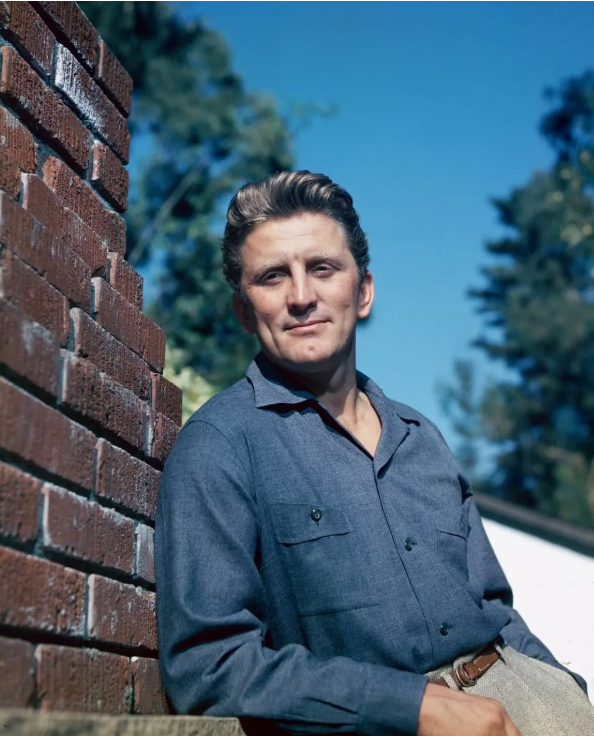
Douglas’s commanding presence on screen and his emotionally charged performances quickly established him as one of Hollywood’s most compelling leading men. He was especially known for taking on complex roles—characters who were flawed, conflicted, and often walked the line between right and wrong. His major breakthrough came with Champion (1949), where his portrayal of a determined and ruthless boxer earned him his first Academy Award nomination. From that moment on, his ability to blend physical intensity with deep emotional expression became his signature, drawing audiences in and cementing his reputation as one of the era’s most powerful and enduring stars.
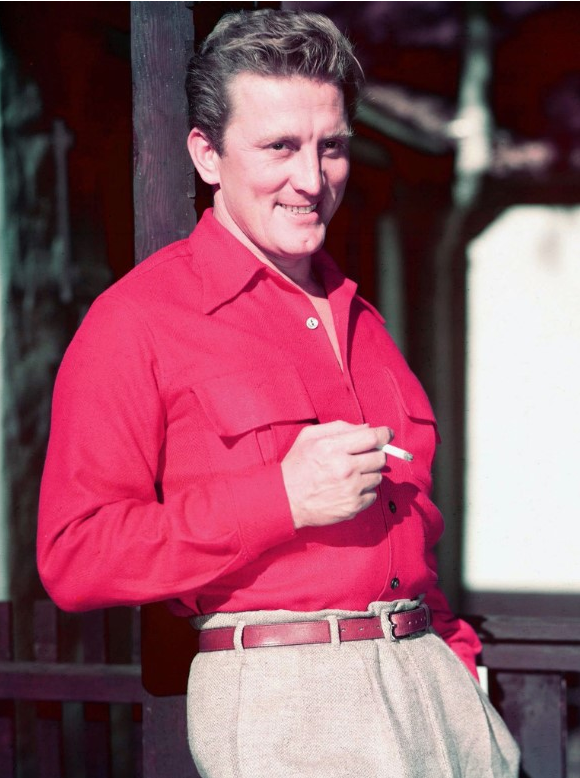
Over the course of his career, Douglas proved his versatility time and again, taking on a wide spectrum of roles that highlighted both his range and depth as an actor. He delivered memorable performances in films like The Bad and the Beautiful (1952), Lust for Life (1956), and Paths of Glory (1957), each showcasing a different facet of his talent. His portrayal of Vincent van Gogh in Lust for Life earned him another Academy Award nomination, reflecting his commitment to bringing emotionally complex and troubled characters to life. Meanwhile, Paths of Glory, directed by Stanley Kubrick, stands as one of cinema’s most impactful anti-war films, underscoring Douglas’s dedication to projects that carried powerful messages and lasting significance.
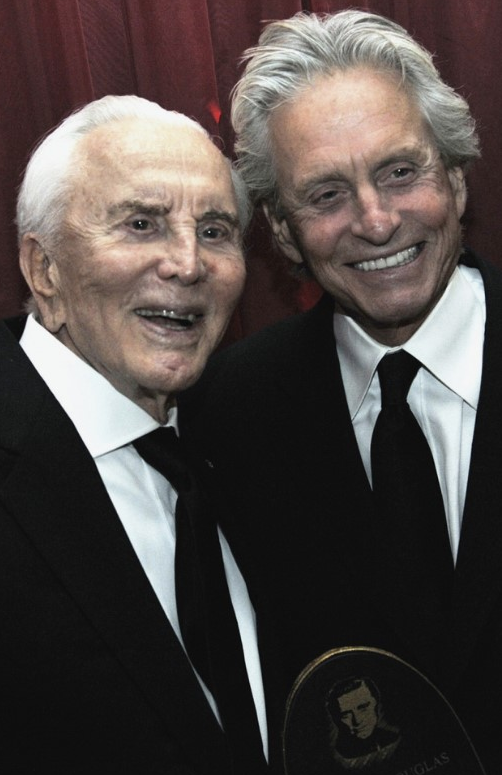
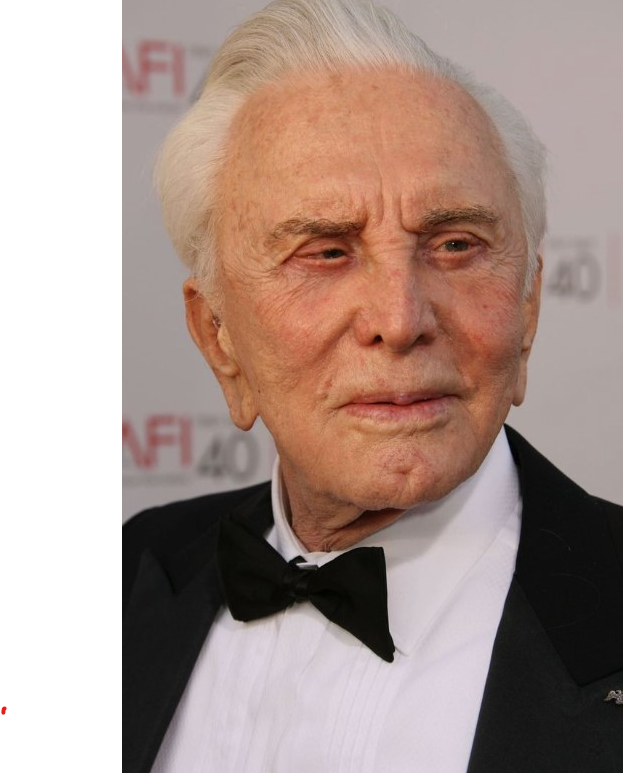
Beyond his remarkable performances, Douglas was also a passionate supporter of artistic independence and creative authority in filmmaking. He played a pivotal role in producing and starring in Spartacus (1960), reuniting with Stanley Kubrick on a project that would leave a lasting mark on Hollywood history. Most notably, the film challenged the industry’s blacklist by openly crediting screenwriter Dalton Trumbo at a time when doing so carried significant risk. This bold decision reinforced Douglas’s reputation as someone guided by conviction and integrity. His impact reached far beyond his roles on screen, influencing the direction of the film industry and helping to open doors for future storytellers.
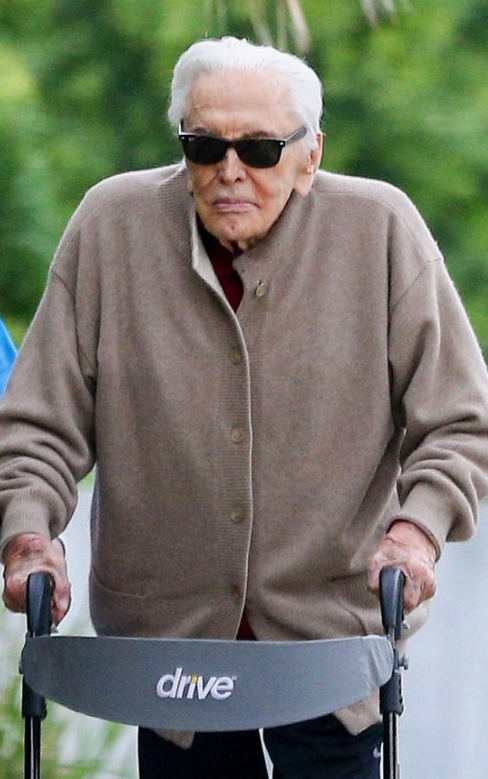
Kirk Douglas’s influence reaches far beyond the films that defined his career. He was not only an acclaimed actor but also a dedicated humanitarian, writer, and a man who faced extraordinary personal challenges with resilience—surviving both a helicopter crash and a debilitating stroke. His lasting presence in Hollywood, paired with his advocacy for fairness and social progress, secured his status as more than just a star—he became a symbol of strength and principle. Even today, his legacy lives on, inspiring generations of performers and creators through his relentless passion, integrity, and fearless approach to both his art and his life.