Fans Notice Wynonna Judd, 60, ‘Lost Too Much Weight’ as She FIaunts ‘Skinny’ Look in Black PIunging Outfit

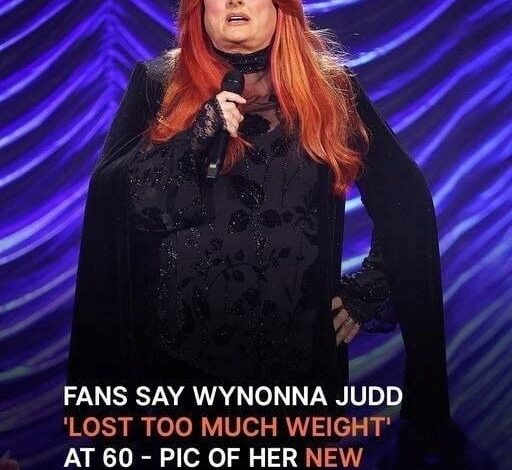
Wynonna Judd’s recent appearance has quickly become more than just a moment onstage—it’s turned into a mirror reflecting how people respond to women’s bodies, especially those they feel they’ve grown up with. Dressed in black and visibly slimmer, she didn’t just draw attention for how she looked, but for what that change seemed to represent to different audiences. For some, it brought admiration and curiosity; for others, concern and a sense of unease rooted in familiarity. It reopened a long-running conversation about her relationship with weight—one she once spoke about candidly, including in her revealing interview with Oprah, where she described the deeply personal and often hidden struggles she carried for years.
Now, the reaction has shifted into something more complicated. Her transformation has sparked a wave of commentary that says as much about the public as it does about her. Some fans express worry, urging her to return to a version of herself they associate with comfort and warmth, while others celebrate her appearance, drawing emotional parallels to her late mother, Naomi. The responses are layered with nostalgia, protectiveness, and, at times, projection—people seeing not just Wynonna as she is now, but the image of her they’ve held onto for decades.
What makes the moment especially charged is the silence from Wynonna herself. She hasn’t publicly explained or framed her transformation, leaving a space that others have quickly filled with speculation, praise, and concern. In that absence, the narrative becomes fragmented—shaped by headlines, social media reactions, and the deeply personal connections fans feel toward her life and journey.
But beneath all the noise, there’s a quieter truth. Wynonna has always lived much of her life in the public eye, sharing not just her music but her struggles, her grief, and her resilience. That history makes it almost impossible for people not to react when they see change, because they don’t just see a performer—they see someone whose story they feel part of.
And yet, despite the swirling conversation, she continues to do what she has always done: step onto the stage and sing. In that sense, her presence remains constant, even as everything around it shifts. Whether she eventually chooses to speak on this chapter or not, the attention surrounding her transformation says less about any single answer and more about the enduring, complicated bond between a public figure and the people who have followed her for so long.