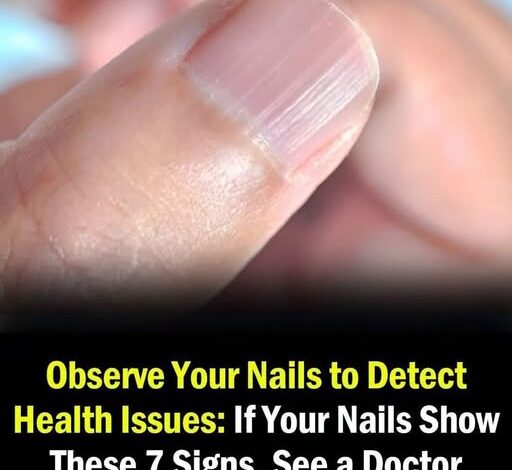
Many people think of their nails as something to trim, shape, or decorate with polish, but nails can reveal more about health than most realize. As they grow, nails depend on steady nutrition, oxygen, and blood flow. When something in the body is not working properly, whether it is a nutrient deficiency, poor circulation, or an underlying medical condition, changes may sometimes appear in the nails.
Naturopathic doctor Sara Norris has explained that nail growth can reflect how well the body digests and absorbs nutrients from food. If there is a problem with nutrient absorption, circulation, or certain internal functions, the nails may begin to show visible signs. Learning to notice these changes can help people recognize when something may need medical attention.
Beau’s Lines: A Possible Sign of Physical Stress
Beau’s lines are deep horizontal grooves or ridges that run across the nails. They can appear when nail growth temporarily slows or stops because the body has gone through serious stress. This may happen after a severe illness, infection, high fever, chemotherapy, or another major physical event.
Dr. Bhavini Shah of Lloyds Pharmacy Online Doctor notes that these lines may appear after illnesses such as COVID-19 or other intense health challenges. In more serious cases, the nail may stop growing and even separate, a condition known as onychomadesis. While Beau’s lines are not always dangerous, repeated or unexplained grooves should be discussed with a doctor.
Clubbing: A Change Linked to Heart or Lung Health
Clubbing occurs when the fingertips become swollen and the nails begin to curve downward. This change can develop slowly, making it difficult to notice at first. In some cases, clubbing may be linked to heart or lung disease.
Other possible warning signs may include swollen ankles, chest discomfort, shortness of breath, or extreme tiredness. Some people naturally have a clubbed nail shape, but if the change is new or appears alongside other symptoms, it is important to seek medical advice.
Spoon-Shaped Nails: A Possible Sign of Iron Deficiency
Spoon-shaped nails, also known as koilonychia, curve inward and may look slightly scooped out. This nail change is often connected to iron-deficiency anemia. It can happen after pregnancy, with poor nutrition, or because of digestive conditions that affect nutrient absorption, such as celiac disease.
Other signs of anemia may include pale skin, headaches, weakness, dizziness, and shortness of breath. A doctor can confirm iron deficiency with a blood test. Treatment may involve iron supplements, dietary changes, or addressing the condition causing the deficiency.
Pitting or Dents: Often Linked to Skin Conditions
Tiny dents or pits on the surface of the nails may be connected to skin or immune-related conditions. Nail pitting is often seen in people with psoriasis, eczema, or alopecia areata.
Psoriasis may cause dry, scaly patches on the skin, while eczema can lead to itching, redness, and cracked skin. Alopecia areata may cause patchy hair loss. Mild nail pitting may not always require treatment, but more severe or persistent cases should be evaluated by a dermatologist. Treatment often depends on the underlying condition.
Dark Streaks: A Change That Should Not Be Ignored
A dark vertical streak under the nail can sometimes be harmless, but it may also be a warning sign of subungual melanoma, a rare but serious form of skin cancer that develops under the nail.
Not every dark line means cancer, but changes that grow, widen, darken, or appear without explanation should be checked by a dermatologist. Early detection is important because melanoma can spread if left untreated. Any unexplained nail discoloration deserves attention, especially if it changes over time.
Terry’s Nails: A Possible Sign of Internal Disease
Terry’s nails occur when most of the nail bed turns white, leaving only a narrow pink or reddish band near the tip. This change can sometimes happen with aging, but it may also be linked to conditions such as liver disease, diabetes, heart disease, or kidney problems.
If Terry’s nails appear along with symptoms such as fatigue, yellowing of the skin or eyes, loss of appetite, or swelling, a medical evaluation is recommended. Identifying the underlying cause is important for proper treatment.
Yellow Nails: More Than a Cosmetic Concern
Yellow nails are often caused by fungal infections, especially when the nails become thick, brittle, crumbly, or begin lifting from the nail bed. However, yellow nails may also be associated with thyroid disease, diabetes, psoriasis, or lung-related conditions.
Sometimes yellowing can result from frequent nail polish use, but if the color change does not improve or appears without a clear reason, it is worth speaking with a healthcare professional. Treating the cause early can help prevent complications and improve nail health.
Pay Attention to Nail Changes
Your nails can act as small indicators of what may be happening inside your body. They may show signs of nutritional problems, stress, low oxygen levels, circulation issues, or certain medical conditions. While many nail changes are harmless, persistent or unexplained changes should not be ignored.
There is no need to panic over every small mark, spot, or ridge. Nails can change because of minor injuries, aging, or everyday habits. However, if you notice changes that last, worsen, or appear along with other symptoms, visiting a doctor is a wise step.
Checking your nails regularly can become a simple habit that helps you stay more aware of your overall health. A few minutes of attention may help you recognize when your body is trying to tell you something important.