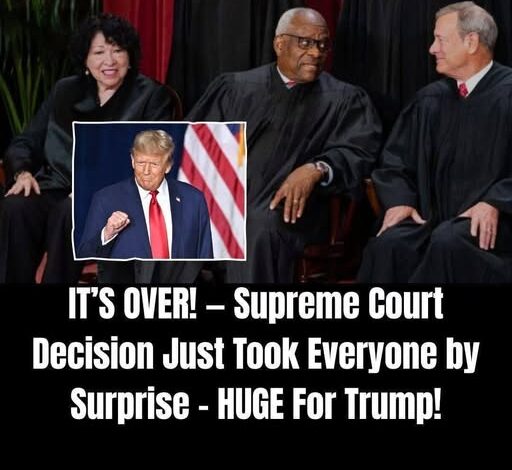
A recent decision by the Supreme Court of the United States has had a major impact on Temporary Protected Status (TPS) for Venezuelan nationals living in the United States. In May 2025, the Court granted the federal government’s request for an emergency stay of a lower court order that had blocked the termination of Venezuela’s TPS designation, allowing the Department of Homeland Security (DHS) to resume ending certain TPS protections while litigation continues. The stay was issued through a brief order without a full written opinion, which is common for emergency docket decisions, and it did not resolve the central question of whether the termination itself is lawful.
The legal conflict began with the Trump administration’s move to rescind the 2023 TPS designation for Venezuela, a status that had been granted and later extended in response to ongoing humanitarian conditions in that country. A federal judge in the Northern District of California initially blocked the rescission, finding that the government’s actions in vacating the TPS extension and terminating the designation should be paused while the case proceeded. That ruling was later affirmed by the U.S. Court of Appeals for the Ninth Circuit.
When the administration appealed, the Supreme Court granted the government’s request to stay the lower court’s order, effectively clearing the way for DHS to move forward with ending the 2023 TPS protections for Venezuelan nationals while appeals and further judicial review continue. The Supreme Court’s order does not address the underlying merits of the government’s decision to terminate TPS; it only allows the termination to take effect during ongoing litigation.
Temporary Protected Status is a humanitarian program created by Congress in 1990 that protects eligible individuals already in the U.S. from deportation and authorizes them to work when unsafe conditions in their home country make return dangerous. Venezuela was designated for TPS due to persistent political instability, economic collapse, and widespread humanitarian hardships. Prior to the Supreme Court’s stay, estimates indicated roughly 300,000–350,000 Venezuelan nationals held TPS under the 2023 designation.
Supporters of the Supreme Court’s decision argue that the emergency stay upholds executive authority and clarifies that temporary designations can be revisited and rescinded when conditions change. Critics, including immigrant rights advocates and legal observers, contend that allowing the government to end protections via an emergency order—before courts fully consider the legality of the decision—creates instability for families and communities who have organized their lives around lawful TPS status. Some dissenting justices, including Justice Ketanji Brown Jackson, have expressed concern in similar emergency docket contexts about impacts on individuals while core legal issues remain unresolved.
The legal battle over Venezuela’s TPS designation is ongoing. Lower courts continue to assess whether DHS’s decision to rescind the designation complied with federal law, including requirements under the Administrative Procedure Act. A future Supreme Court decision on the merits could ultimately affirm or overturn the lower courts’ rulings or provide a more detailed legal framework for how TPS terminations must be handled.
For Venezuelans affected by these developments, the stakes are high: the outcome will determine whether TPS protections remain in place, are modified, or end permanently. Given the complexities and potential for significant consequences, immigration advocates recommend that TPS holders consult qualified immigration attorneys to fully understand their options while litigation continues.