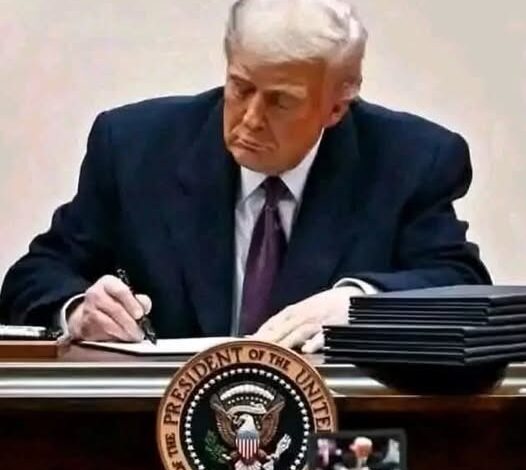
A democratic society cannot afford to treat direct threats toward the press as empty rhetoric, especially when those statements are delivered publicly, on camera, and with deliberate intent. When figures in positions of power speak about punishing, restricting, or undermining the media, the responsibility of journalism is not to soften the language or frame it as political theater. The first and most essential response must be clarity. News organizations should report exactly what was said, place it in its proper legal and historical context, and explain why such statements matter. When public officials challenge the legitimacy of the press or suggest consequences for unfavorable coverage, the issue is not simply partisan conflict or disagreement over bias. It touches directly on constitutional principles that protect freedom of expression and the public’s right to information.
History offers numerous reminders that attacks on the credibility or independence of journalists often begin with rhetoric before evolving into policy or pressure. For that reason, precise reporting is critical. Journalists must avoid vague framing that reduces serious threats to a routine political dispute. Instead, reporting should outline how press freedom functions within democratic systems, explain the legal protections that exist, and examine how similar pressures have unfolded in other places or earlier periods. By providing this broader perspective, the media can help audiences understand why such moments deserve careful scrutiny rather than casual dismissal.
Another essential element in protecting a free press is solidarity among news organizations. Competition for audiences, scoops, and recognition is part of the profession, but when one newsroom becomes the target of intimidation or retaliation, the response should extend beyond individual rivalries. If one outlet is threatened or singled out for punishment, others should recognize that the precedent affects the entire information ecosystem. Journalists across different platforms and editorial perspectives benefit from defending the principle that reporting cannot be constrained by political pressure.
Professional associations, press unions, and legal advocacy groups also play a critical role in preparing for situations where threats move beyond rhetoric. Rather than waiting for potential policy changes or regulatory actions to occur, these organizations can monitor developments, offer legal expertise, and support journalists who may face challenges to their work. Their preparation helps ensure that reporters and editors are not forced to confront institutional pressure alone.
At the same time, the credibility of journalism itself remains central to this conversation. The most effective defense of press freedom is the consistent practice of responsible reporting. Accuracy, verification, transparency about sources, and willingness to correct mistakes strengthen public trust. When audiences understand how information is gathered and verified, they are more likely to recognize the value of independent reporting even in highly polarized environments.
Transparency is particularly important in moments when political actors attempt to frame journalism as adversarial or unreliable. Explaining how stories are reported, how editorial decisions are made, and how facts are confirmed can help readers and viewers see the rigorous process behind responsible journalism. This openness reinforces the idea that the press operates not as an enemy of the public but as a system designed to inform it.
Courage also remains a defining quality of the profession. Throughout history, journalists have faced political pressure, legal challenges, and personal criticism when reporting on powerful institutions. The continued willingness to pursue difficult stories, ask challenging questions, and publish verified information is what allows the press to fulfill its democratic role. When threats emerge, retreating from that responsibility would only weaken the safeguards that journalism is meant to provide.
Ultimately, the most powerful response to attempts at intimidation is persistence. Reporting should continue, investigations should proceed, and facts should remain central to public discourse. A free press does not function by avoiding conflict with power; it functions by holding power accountable. By maintaining clarity, supporting one another, strengthening professional standards, and continuing the work of reporting, journalists reinforce the principles that allow open societies to thrive.
In moments when pressure intensifies, the guiding principle remains straightforward: the public’s right to know must not be compromised. The role of journalism is to illuminate, question, and inform — even when doing so is uncomfortable for those in authority. By remaining committed to that mission, the press ensures that democratic institutions remain transparent and that citizens have the information they need to understand the world around them.