Explosive Claims of Ultimatums, Global Oil Threats, and Escalating Rhetoric Between the United States and Iran Spark Viral Panic Online, but the Reality Behind the Headlines Reveals a Complex Mix of Exaggeration, Misinformation, and Unverified Statements That Demand Careful Fact-Checking Before Drawing Conclusions About What Is Truly Happening on the World Stage

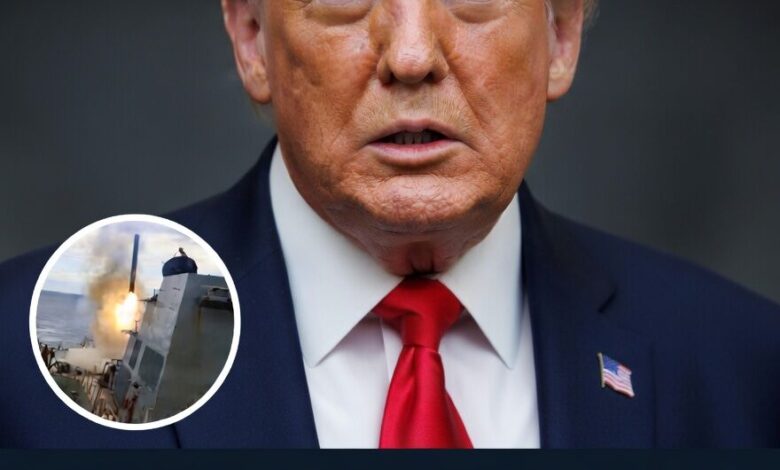
In the past 24 hours, a surge of dramatic headlines has flooded social media, claiming that Iran has issued its “most terrifying threat yet” in response to an ultimatum from Donald Trump. These posts paint a picture of an escalating global crisis—one where the United States is supposedly engaged in active war with Iran, vital oil routes are under immediate danger, and both sides are exchanging warnings that could reshape international stability overnight.
At first glance, the narrative is compelling and urgent. But when examined carefully, the situation described in these viral stories does not align with verified reporting from credible international sources. Instead, it appears to be a blend of speculation, exaggeration, and, in some cases, outright misinformation. Distinguishing between what is real and what is being amplified for attention is essential before accepting such claims as fact.
The “War” That Isn’t Confirmed
One of the most striking claims in these reports is that a full-scale war between the United States and Iran is currently underway. However, there is no confirmed evidence from major, reputable news organizations to support this.
While tensions between the two countries have existed for decades—and occasional regional incidents or proxy conflicts do occur—the kind of large-scale, direct military confrontation described in these viral posts has not been reported by globally trusted outlets. A true war of that magnitude would dominate international headlines, involve official government confirmations, and trigger widespread global response. The absence of such coverage is a major indicator that the claim is misleading.
The Strait of Hormuz Claim
Another alarming element of the narrative is the suggestion that the Strait of Hormuz has been closed. This narrow waterway is one of the most critical النفط (oil) transit routes in the world, and any disruption there would have immediate and dramatic consequences for the global economy.
If such a closure had actually occurred, it would be impossible to miss. Financial markets would react instantly, oil prices would spike sharply, and governments around the world would issue urgent statements. The lack of consistent, verified reporting on this point strongly suggests that the claim is either exaggerated or entirely false.
Questionable Quotes and Attribution
The viral stories also reference strong statements allegedly made by Iranian officials, including Mohammad Bagher Ghalibaf. While it is true that political leaders sometimes use forceful rhetoric during periods of tension, the credibility of such quotes depends entirely on reliable sourcing.
In many of these cases, the statements are presented without clear attribution to reputable outlets, making it difficult to verify their authenticity or context. Without that context, even legitimate remarks can be distorted or exaggerated to fit a more dramatic narrative.
Claims About Trump’s Ultimatums
Similarly, claims that Donald Trump issued highly specific ultimatums—such as threats tied to precise timelines or targets—should be treated with caution. Statements of that nature, if made officially, would be widely reported, analyzed, and scrutinized by major media organizations and policy experts.
The absence of consistent, cross-verified coverage raises serious doubts. It suggests that these claims may be amplified versions of broader political rhetoric—or entirely fabricated elements designed to capture attention.
Contradictions in the Narrative
Another red flag is the internal inconsistency within the story itself. Some versions claim that diplomatic talks between the U.S. and Iran were “productive,” while others state that Iran denied any meaningful discussions took place.
While conflicting narratives can occur in international diplomacy, presenting them without context or verification creates confusion rather than clarity. This pattern—mixing partial truths with unclear or unsupported claims—is a hallmark of unreliable reporting.
Why These Stories Spread So Quickly
The broader issue reflects a common trend in viral content: blending real geopolitical tension with exaggerated or fictional elements to create a more engaging story.
Phrases like “terrifying threat,” “eerie ultimatum,” and “world on edge” are designed to trigger emotional reactions. They grab attention, encourage sharing, and keep readers engaged—but often at the cost of accuracy. In this environment, dramatic storytelling can easily overshadow factual reporting.
How to Stay Properly Informed
For anyone trying to understand what is actually happening, the most reliable approach is to rely on established sources such as Reuters, Associated Press, or BBC News. These organizations follow strict verification processes and provide context that helps separate real developments from speculation.
Checking multiple sources, looking for official statements, and being cautious of emotionally charged language are all essential habits in navigating today’s information landscape.
The Bottom Line
While geopolitical tensions are real and can evolve quickly, the specific scenario described in these viral reports—featuring an active war, immediate global disruption, and dramatic ultimatums—is not supported by verified information.
Rather than reflecting reality, the story is best understood as an exaggerated or potentially fabricated narrative designed to attract attention. Staying informed today requires more than just reading headlines—it requires questioning them, verifying sources, and recognizing when a story is built to alarm rather than to inform.
In a world where information moves fast, critical thinking remains the most reliable defense against misinformation.