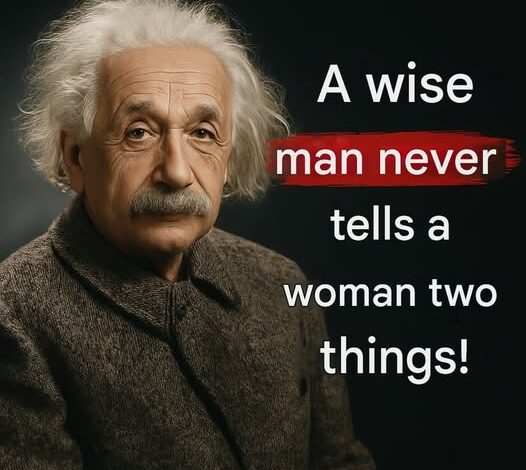
He had learned—slowly, and not without cost—that total transparency can feel like love, but it can also cross into something careless. There was a time when he believed that sharing everything—every thought, every past mistake, every vulnerability—was the purest form of connection. But experience taught him otherwise.
When he spoke about not revealing everything too soon, it wasn’t about playing games or hiding the truth. It was about understanding boundaries—something he hadn’t always valued. He had seen how quickly closeness can shift, how words once spoken in trust can later be used in ways he never expected. What felt like intimacy in one moment could, under different circumstances, become pressure, misunderstanding, or even quiet manipulation.
So his perspective changed.
Not out of bitterness—but out of awareness.
He realized that the issue wasn’t about one person or another. It was about human nature. Feelings evolve. Situations change. What starts with good intentions can become complicated when emotions, expectations, or even finances enter the picture. Things that once felt simple can become layered in ways no one anticipates at the beginning.
Because of that, he began to see intimacy differently.
He no longer believed it should happen all at once, driven by chemistry or emotion alone. Instead, he believed it should unfold gradually—at the pace of consistency, not excitement. Trust, in his eyes, wasn’t something declared early on. It was something built over time, through actions, patterns, and shared experiences.
He came to understand that real connection doesn’t require immediate access to everything.
It requires honesty—but also discernment.
Respect—but also patience.
And perhaps most importantly, the ability to protect parts of yourself until the other person has shown, not just promised, that they can hold them with care.
For him, love didn’t mean handing over every piece of who you are right away.
It meant allowing someone to earn their way into those deeper spaces.
Not because you’re afraid—
but because you’ve learned that trust isn’t just given.
It’s built.