
She entered the world in a home where quiet was almost nonexistent. With fourteen children under one roof, every moment was filled with noise—voices overlapping, footsteps echoing, life moving at a constant, overwhelming pace. Privacy was rare, and stillness was nearly impossible.
From the start, she stood apart.
As the youngest, she didn’t compete for attention the way her siblings did. While others ran outside or filled the house with energy, she gravitated toward observation. She watched, listened, and absorbed everything around her, finding meaning in the smallest details that others overlooked.
Then there was her voice.
It appeared naturally, almost unexpectedly. As a child, she would pause, take a breath, and sing—and when she did, the room would change. Her voice carried a clarity and emotion far beyond her age, filling the space with something powerful and unmistakable.
Her family noticed immediately. There was no ignoring it. What she had wasn’t ordinary—it was rare. Her voice held both strength and sensitivity, control and depth, something that felt instinctive rather than learned.

They encouraged her as much as they could.
Despite limited resources, her parents and siblings supported her gift. They found ways to create opportunities, to let her practice, to help her perform—even without formal training or industry connections. Inside the home, belief in her talent was unwavering.
Outside, it was different.
People didn’t always see what her family saw. Instead, they focused on her appearance—her slight frame, her shyness, her unconventional presence. Comments came easily: she was too quiet, too awkward, too unsure.
But she didn’t stop.
Singing wasn’t a response to criticism—it was simply who she was. It wasn’t forced or strategic. It was natural, necessary, and deeply personal.
At twelve years old, her first real opportunity emerged.
With help from her mother and brother, she recorded a demo. It wasn’t polished or professional, but it captured something undeniable: raw talent and emotional truth. It carried her voice exactly as it was—unfiltered and authentic.
That recording reached a manager.
He listened carefully and heard what others had missed. Convinced of her potential, he took an extraordinary risk—mortgaging his own home to finance her first album. It was a decision based not on certainty, but on belief.
That belief changed everything.
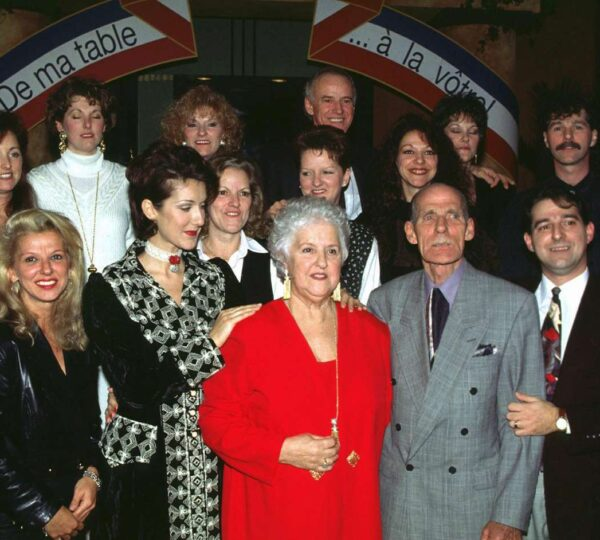
Her career didn’t explode overnight. It grew steadily. She performed in small venues, refined her technique, and learned the complexities of the music industry step by step. Each performance strengthened her confidence, each year shaping her voice into something even more precise and expressive.
Eventually, audiences began to take notice.
They didn’t just hear her—they felt her. Her voice carried emotion in a way that transcended language, reaching people on a deeper level.
Then came the moment that changed everything.
A single performance, a single song, connected across the world. It wasn’t just music anymore—it was something universal, something that resonated across cultures and continents.
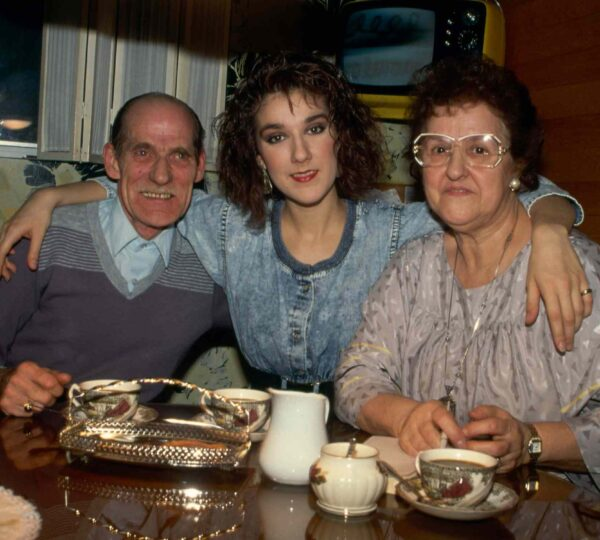
“My Heart Will Go On” became more than a song. It became a global anthem—an expression of emotion, endurance, and connection. Her voice was suddenly everywhere, instantly recognizable and deeply embedded in popular culture.
She had become more than a performer. She was an icon.
But with success came new challenges.
Her life partner and manager, René Angélil, had been there from the beginning—guiding her career, supporting her, believing in her when it mattered most. Losing him was devastating. His absence left a void that affected both her personal life and her sense of direction.
For a time, the future felt uncertain.
The stage, once her refuge, no longer felt the same. But she returned—not because it was easy, but because music was inseparable from who she was.
Her performances changed.
They became deeper, shaped by experience and loss. Audiences didn’t just listen—they connected with the emotion behind every note.
Then came another challenge.
She revealed a rare neurological condition that affected her muscle control, causing severe spasms. For someone whose career depended on precision and physical control, the impact was profound.
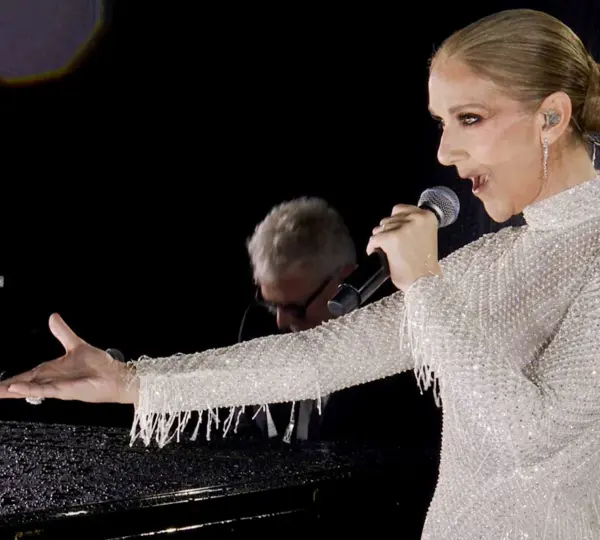
Concerts were postponed. Routines were disrupted. Movements that had once been effortless became uncertain.
The reaction was immediate—shock, concern, questions about her future.
But her response was steady.
She spoke openly about her condition, not with self-pity, but with honesty and strength. She focused on treatment, therapy, and adaptation, determined to continue in whatever way she could.
Recovery required both physical and mental effort.
Specialized therapy helped her regain control and endurance. At the same time, she turned to mindfulness and emotional support to manage the psychological weight of her situation.
Her family remained at her side.
Their encouragement and presence provided stability, helping her navigate both recovery and the demands of her career. Small victories—improvements in movement, moments of practice—became meaningful milestones.
Her fans stood with her as well.
Their support reinforced her determination, reminding her of the connection she had built over decades.
Her story became something larger than music.
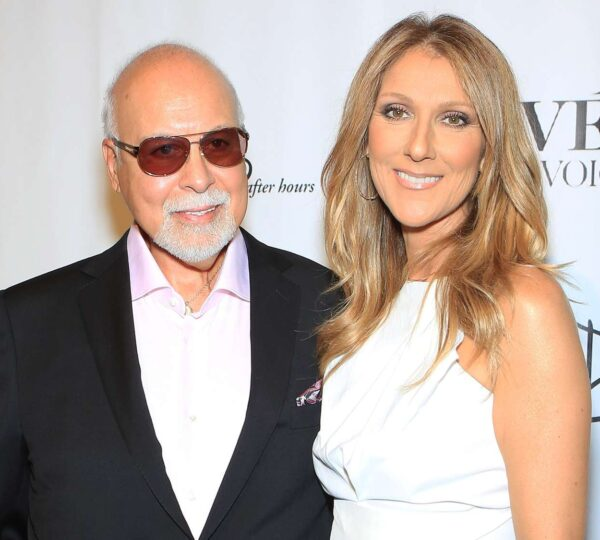
It became a story of resilience—of facing loss, illness, and pressure while continuing forward.
In interviews, she spoke about perseverance. Talent alone, she emphasized, is never enough. It must be supported by discipline, belief, and the willingness to endure challenges.
From a crowded home in Quebec to stages around the world, her journey reflects the power of persistence, family support, and inner strength.
Today, she continues to balance performance with advocacy, raising awareness about neurological conditions while remaining connected to her audience through music.
Her approach has evolved.
She performs selectively, adapting her routines to protect her health while maintaining the emotional depth that defines her artistry. Behind the scenes, a team of specialists supports her—coaches, therapists, and medical professionals ensuring she can continue safely.
Her story now inspires others.
It shows that longevity in any career depends not only on talent, but on resilience, self-care, and the ability to adapt.
Public perception has shifted.
She is no longer seen only as a powerful voice, but as a symbol of strength and endurance—someone who continues despite adversity.
She uses her experience to advocate for awareness, encouraging others to seek support and prioritize well-being.
Through everything, her voice remains central—not just as a talent, but as an expression of her identity and spirit.
Her journey is ongoing.
From childhood to global recognition, from loss to recovery, she continues forward with the same qualities that defined her from the beginning: belief, dedication, and an unbreakable connection to her craft.
Her story is a reminder that true artistry goes beyond talent—it is shaped by resilience, authenticity, and the courage to continue, no matter the obstacles.
And even now, her voice still carries—strong, emotional, and unmistakably her own.